Best Dental Clinic Around Me in Kumbakonam | Nalamm Dental Cosmetiks
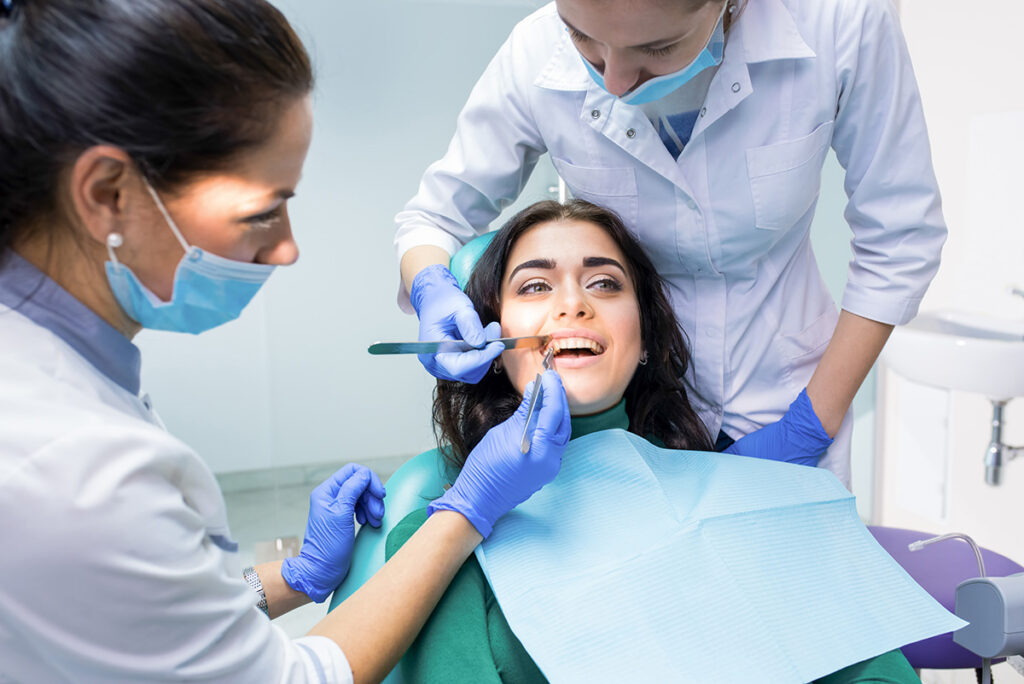
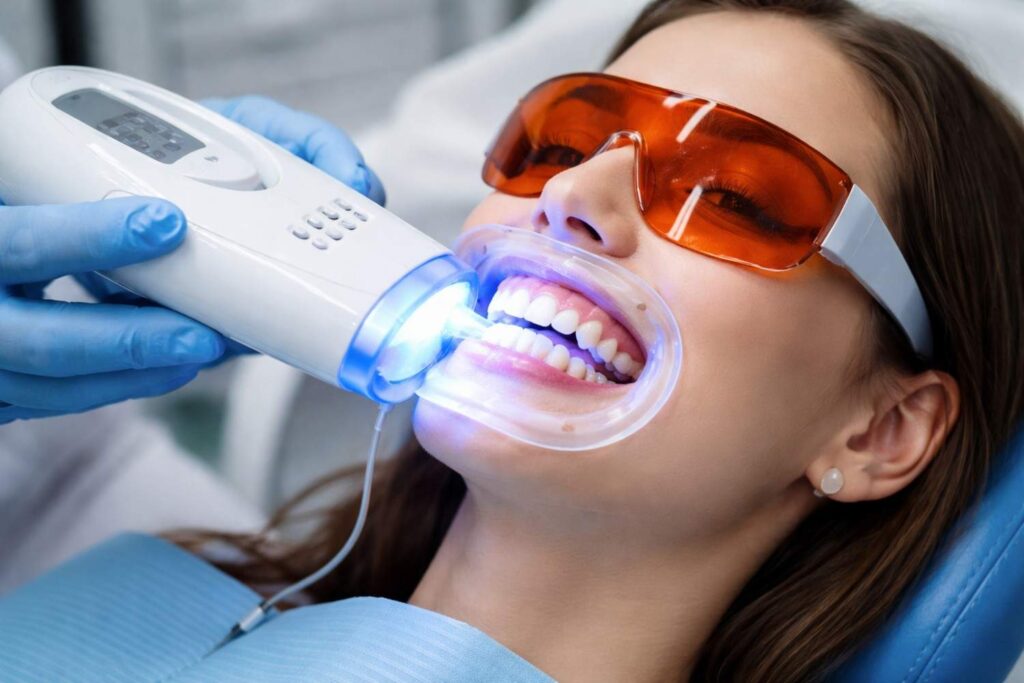
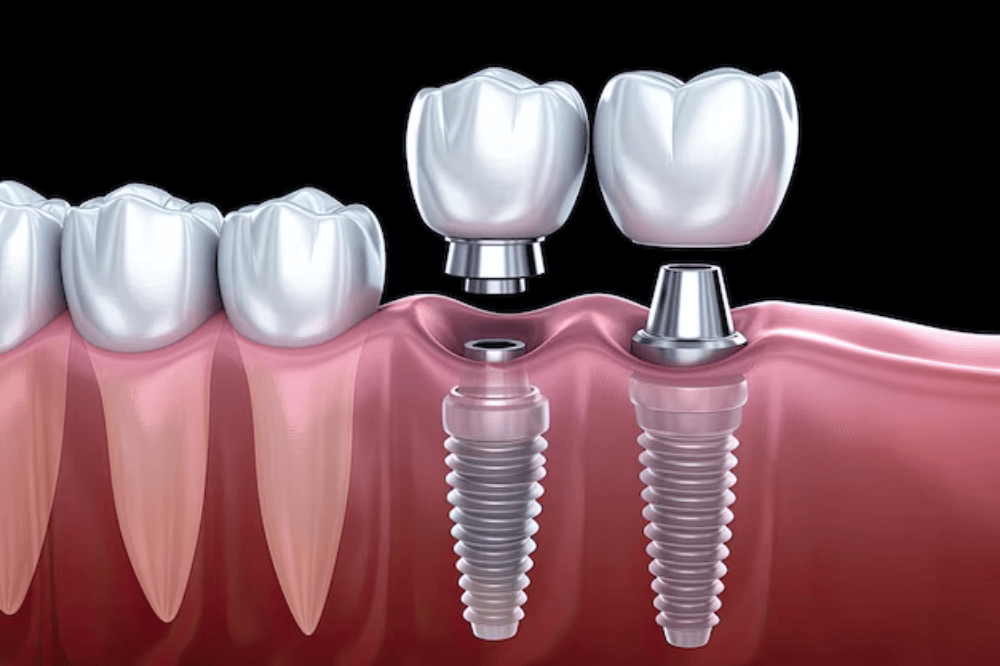
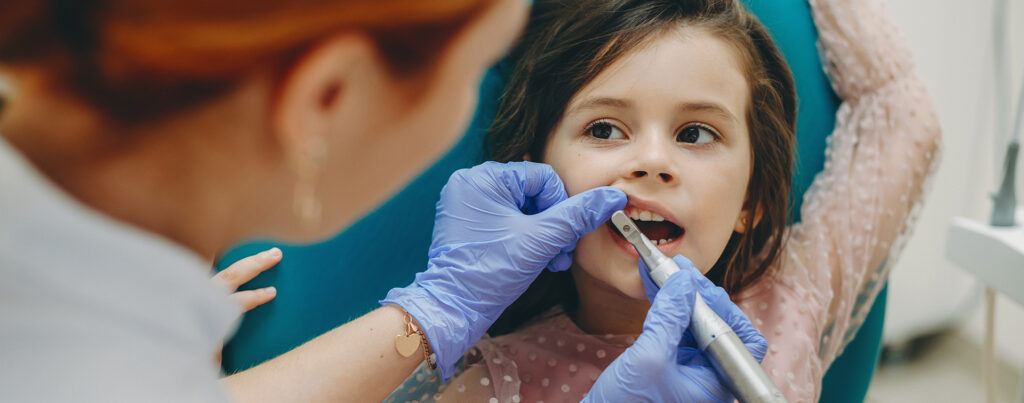
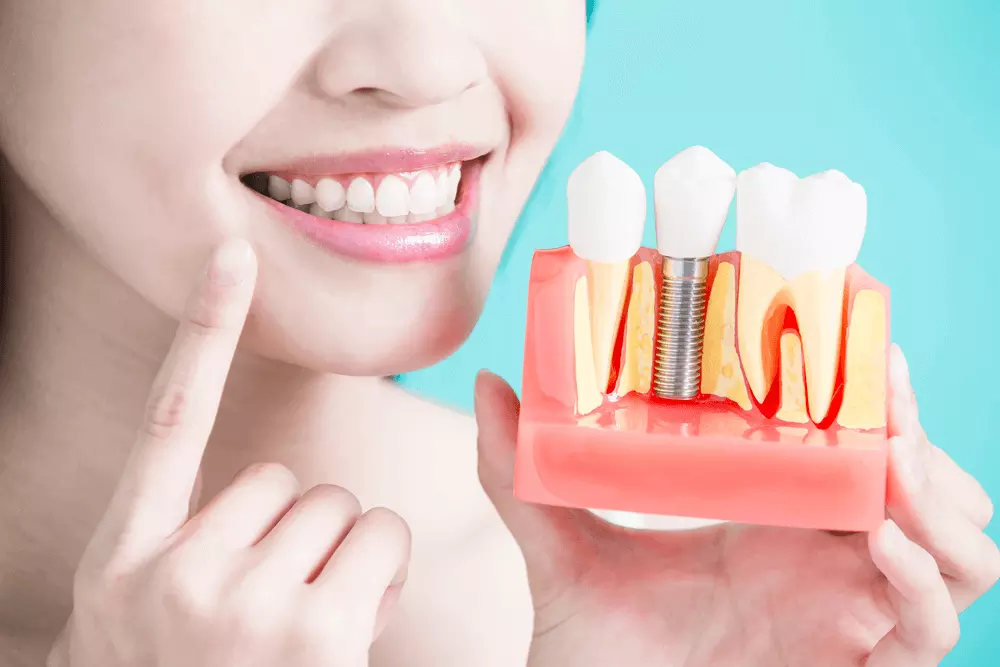
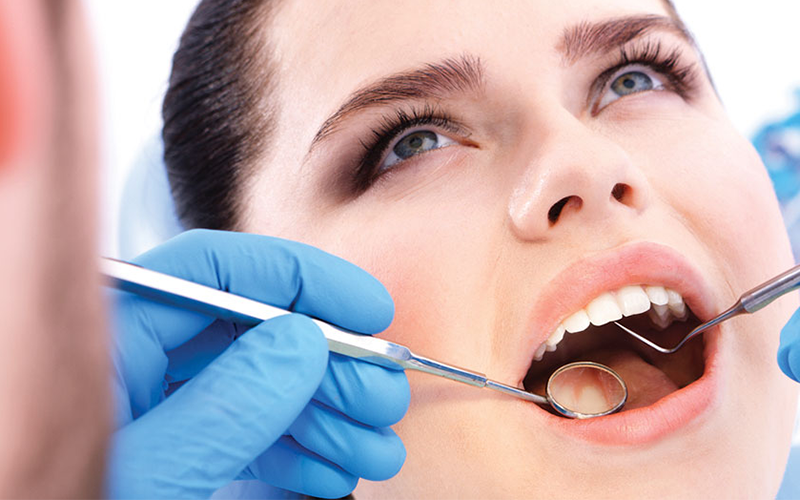
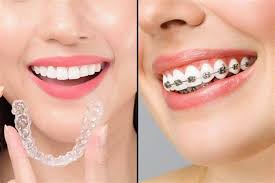
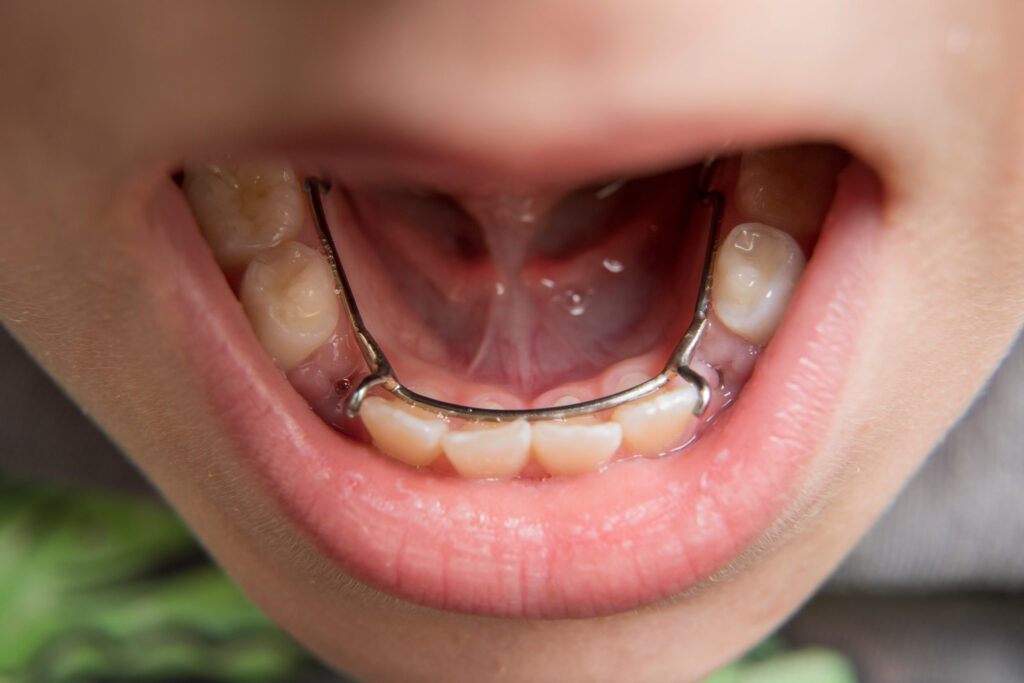
Nalamm Dental Cosmetiks – Trusted Dental Clinic Around Me in Kumbakonam professional dental care Introduction Typing “dental clinic around me – Nalamm Dental Cosmetiks in Kumbakonam” usually happens for one simple reason:something doesn’t feel right in your mouth. It might be tooth pain that won’t go away. Bleeding gums. A broken tooth. A child complaining while eating. Or just the feeling that your smile doesn’t look the way it should. When that moment hits, people don’t want a long list of clinics — they want one reliable dental clinic nearby that they can trust. That’s exactly where Nalamm Dental Cosmetiks fits in. Why “Dental Clinic Around Me” Is a Serious Search Let’s be clear: this is not a casual Google search. People searching “dental clinic around me” are usually: In pain Short on time Unsure whom to trust Looking for quick but correct treatment They don’t want exaggerated promises. They want a dentist who listens, explains clearly, and fixes the problem properly — not temporarily. Nalamm Dental Cosmetiks in Kumbakonam has built its reputation by understanding exactly this mindset. A Local Dental Clinic That Actually Feels Local Being “around me” is not just about distance. It’s about comfort. Patients often say they prefer Nalamm Dental Cosmetiks because: The clinic is easy to reach Appointments are managed responsibly Communication is clear and respectful Treatments are explained in simple language There’s no rush, no fear-based selling, and no confusing medical jargon. You’re treated like a person, not a case file. Complete Dental Care in One Place One major frustration patients face is being sent to different clinics for different problems. Nalamm Dental Cosmetiks removes that hassle by offering comprehensive dental care under one roof. General & Preventive Dentistry Most dental problems don’t start big — they grow because they’re ignored. Regular checkups, scaling, polishing, and early cavity treatment help prevent painful and expensive procedures later. This is where a nearby dental clinic really matters. Easy access encourages timely care. Children’s Dental Care Children need patience, not pressure. Nalamm Dental Cosmetiks follows a calm, friendly approach for kids, helping them feel safe instead of scared. This builds trust and healthy habits that last into adulthood. Cosmetic Dentistry – Natural, Not Artificial Cosmetic dentistry is about confidence, not showing off. Treatments like teeth whitening, smile correction, and veneers are planned to look natural and balanced, not exaggerated. The goal is simple: a smile that suits you. Tooth Replacement & Dental Implants Missing teeth affect chewing, speech, and jaw health. Nalamm Dental Cosmetiks provides dependable tooth replacement solutions, including dental implants, with proper planning and long-term focus. No shortcuts. No guesswork. Braces & Aligners Crooked or misaligned teeth are not just cosmetic issues. They can lead to jaw pain, uneven wear, and hygiene problems. Whether it’s traditional braces or modern aligners, treatment is recommended only when it genuinely benefits the patient. Pain Control and Patient Comfort Here’s a hard truth: many people avoid dentists because of bad past experiences. Nalamm Dental Cosmetiks actively addresses this by focusing on: Proper anesthesia Gentle techniques Step-by-step explanation during treatment Respecting patient comfort levels Top dental care doesn’t ignore fear — it manages it. Hygiene and Safety You Don’t Have to Question Patients shouldn’t have to wonder whether instruments are clean or procedures are safe. At Nalamm Dental Cosmetiks, hygiene and sterilization are treated as basic responsibility, not a selling point. Strict protocols are followed for: Instrument sterilization Treatment area cleanliness Patient safety This matters more than fancy interiors. Honest Advice and Transparent Pricing If a dentist recommends a treatment, you deserve to know: Why it’s needed What alternatives exist How much it will cost How long results will last Nalamm Dental Cosmetiks is known locally for ethical treatment planning. No unnecessary procedures. No hidden charges. No pressure decisions. That honesty is why many patients come back — and refer their family. Why Nalamm Dental Cosmetiks Is the “Dental Clinic Around Me” People Trust People don’t remember every procedure name. They remember how they were treated. Patients trust Nalamm Dental Cosmetiks because: Problems are diagnosed correctly Treatments are explained clearly Comfort is prioritized Long-term oral health matters more than quick profit That’s how a clinic becomes the answer to “dental clinic around me” — not by marketing noise, but by consistent care. Conclusion Dental problems don’t wait for convenience. When you search for dental clinic around me – Nalamm Dental Cosmetiks in Kumbakonam, you’re looking for relief, clarity, and trust. Nalamm Dental Cosmetiks offers exactly that:professional dental care, honest guidance, modern treatment, and a calm patient-first approach — right where you need it. Your smile deserves care that’s close, reliable, and done right. F.A.Q Why should I choose Nalamm Dental Cosmetiks when searching for a dental clinic around me? Nalamm Dental Cosmetiks is a trusted local dental clinic in Kumbakonam known for accurate diagnosis, ethical treatment, patient comfort, and modern dental care. What treatments are available at Nalamm Dental Cosmetiks? The clinic offers general dentistry, children’s dental care, cosmetic dentistry, braces, aligners, dental implants, and preventive oral care. Is Nalamm Dental Cosmetiks suitable for emergency dental problems? Yes. The clinic handles dental pain, broken teeth, swelling, and urgent dental issues with prompt and professional care. Is the dental treatment painful? No. Nalamm Dental Cosmetiks uses modern pain-control techniques and gentle procedures to ensure patient comfort during treatment. Are treatment costs explained clearly before starting? Yes. Treatment options, procedures, and costs are explained transparently before any dental work begins.