Best Children’s Dental Care Near You in Kumbakonam – Nalamm Dental Cosmetiks
Protect your child’s smile early

Introduction
For many parents, a child’s first dental visit brings mixed emotions—concern, uncertainty, and sometimes fear of how the child might react. Questions like “Is it too early?”, “Will it hurt?”, or “Do baby teeth really matter?” are common.
If you’re searching for children’s dental care – Nalamm Dental Cosmetiks in Kumbakonam, you’re already doing the right thing: looking for gentle, preventive, and child-friendly dental care close to home.
At Nalamm Dental Cosmetiks, children’s dentistry is approached with patience, education, and long-term thinking, not rushed treatments or pressure.
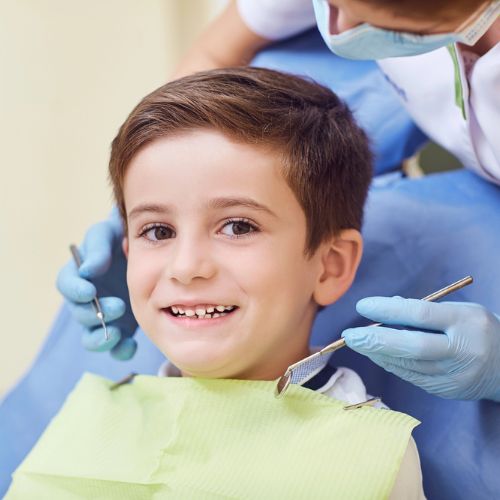
Why Children’s Dental Care Is So Important
Many parents assume dental care can wait until permanent teeth appear. In reality, baby teeth play a crucial role in a child’s overall development.
Healthy primary teeth help:
Proper chewing and nutrition
Clear speech development
Maintaining space for permanent teeth
Building good oral hygiene habits early
Preventing pain and infections
Neglecting early dental care often leads to avoidable problems later, including cavities, misaligned teeth, and dental anxiety.
When Should a Child First Visit a Dentist?
Dentists recommend that children have their first dental visit by their first birthday or when the first tooth appears.
Early visits help:
Detect issues before they become painful
Guide parents on oral hygiene
Familiarize children with the dental environment
Reduce fear through positive early experiences
At Nalamm Dental Cosmetiks, early visits are kept simple, gentle, and stress-free.
What Makes Children’s Dental Care Different from Adult Dentistry
Children are not just “small adults.” Their dental care requires a different approach.
Children’s dental care focuses on:
Behavior guidance and comfort
Growth and development monitoring
Preventive treatments rather than complex procedures
Education for both child and parent
A calm, friendly approach makes all the difference in how children perceive dental visits for life.
Common Children’s Dental Treatments Offered
🦷 Routine Dental Check-Ups
Regular check-ups help monitor:
Tooth eruption patterns
Early cavities
Gum health
Jaw development
Early detection prevents painful and costly treatments later.
🦷 Preventive Dental Care
Prevention is the foundation of children’s dentistry. This includes:
Professional cleaning
Fluoride application when required
Oral hygiene instructions for parents and children
These simple steps significantly reduce cavity risk.
🦷 Treatment of Tooth Decay
Tooth decay is one of the most common childhood dental problems. Treatment is planned carefully to:
Remove infection
Preserve tooth structure
Maintain comfort
Pain-free techniques are prioritized.
🦷 Space Maintainers
If a baby tooth is lost early, space maintainers help:
Preserve space for permanent teeth
Prevent crowding and alignment issues
This is a preventive step that often avoids braces later.
🦷 Habit Counseling
Thumb sucking, mouth breathing, and prolonged pacifier use can affect dental development. Gentle guidance helps correct habits without scolding or fear.
Creating a Child-Friendly Dental Experience
Children remember how a dental visit made them feel—not the procedure itself.
At Nalamm Dental Cosmetiks:
Children are spoken to in simple, friendly language
Procedures are explained gently
Appointments are paced according to the child’s comfort
Parents are involved and informed
This builds trust instead of fear.
Dental Anxiety in Children: How It’s Handled
Dental fear often comes from:
Past painful experiences
Fear of the unknown
Anxiety passed on unintentionally by adults
By creating a calm environment and using a gentle approach, most children adapt quickly and even look forward to visits over time.
Why Choose Nalamm Dental Cosmetiks for Children’s Dental Care in Kumbakonam
Parents choose Nalamm Dental Cosmetiks because of:
Child-friendly atmosphere
Conservative, ethical treatment planning
Clear communication with parents
Focus on prevention and education
Comfortable and hygienic clinical setup
Here, children are treated with patience, respect, and care.
How Parents Can Support Good Dental Habits at Home
Dental care doesn’t end at the clinic. Parents play a key role at home by:
Brushing the child’s teeth twice daily
Supervising brushing until the child is capable
Limiting sugary snacks and drinks
Encouraging water intake
Scheduling regular dental visits
Consistency at home leads to healthier smiles.
Signs Your Child Should See a Dentist Immediately
Don’t delay a visit if your child has:
Tooth pain or sensitivity
Swollen gums or face
Dark spots on teeth
Difficulty chewing
Early tooth loss due to decay or injury
Early treatment is always easier and less stressful.
Children’s Dental Care Is an Investment in the Future
Healthy teeth during childhood often mean:
Fewer dental problems as adults
Better alignment of permanent teeth
Less need for extensive treatment later
Positive attitude toward dental care
Preventive care today saves discomfort tomorrow.
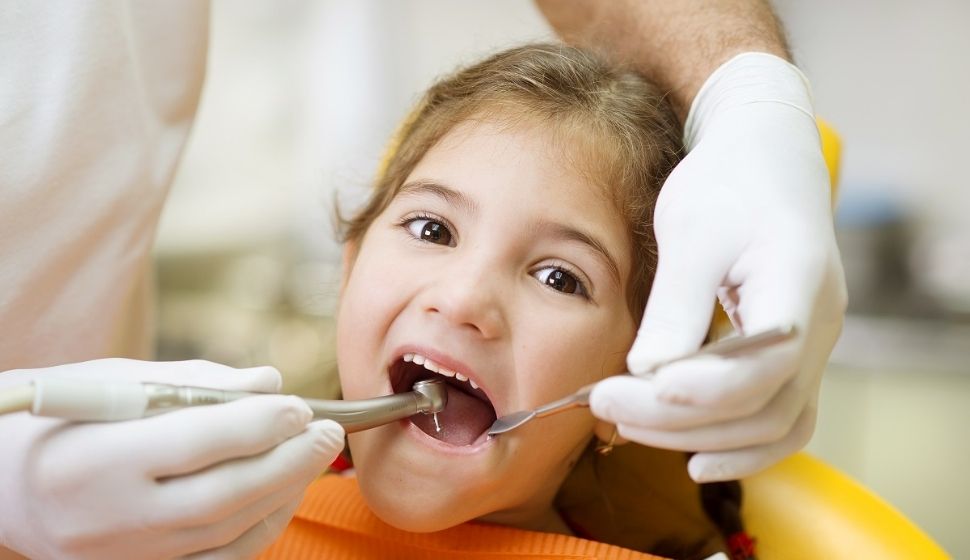
Conclusion
Children deserve dental care that is gentle, preventive, and reassuring. A positive early experience shapes how they care for their oral health for life.
If you’re searching for children’s dental care – Nalamm Dental Cosmetiks in Kumbakonam, you’ll find a clinic that understands both children’s needs and parents’ concerns.
📍 Gentle care for growing smiles
🦷 Preventive dentistry for children
🙂 Building healthy habits early
F.A.Q

A child should visit a dentist by their first birthday or when the first tooth appears to ensure early preventive dental care.
Children’s dental care helps prevent cavities, supports proper tooth development, and builds healthy oral hygiene habits from an early age.
Yes, dental treatments for children are safe when performed by trained dentists using child-friendly techniques and preventive approaches.
Children should visit the dentist every six months or as recommended based on their oral health needs.
Common dental problems in children include tooth decay, early tooth loss, gum issues, and habits like thumb sucking that affect tooth alignment.