Dental Clinics In Kumbakonam-Nalamm Dental Cosmetiks

Emergency Orthodontist Near Me
Dental blog

Emergency Orthodontist Near Me

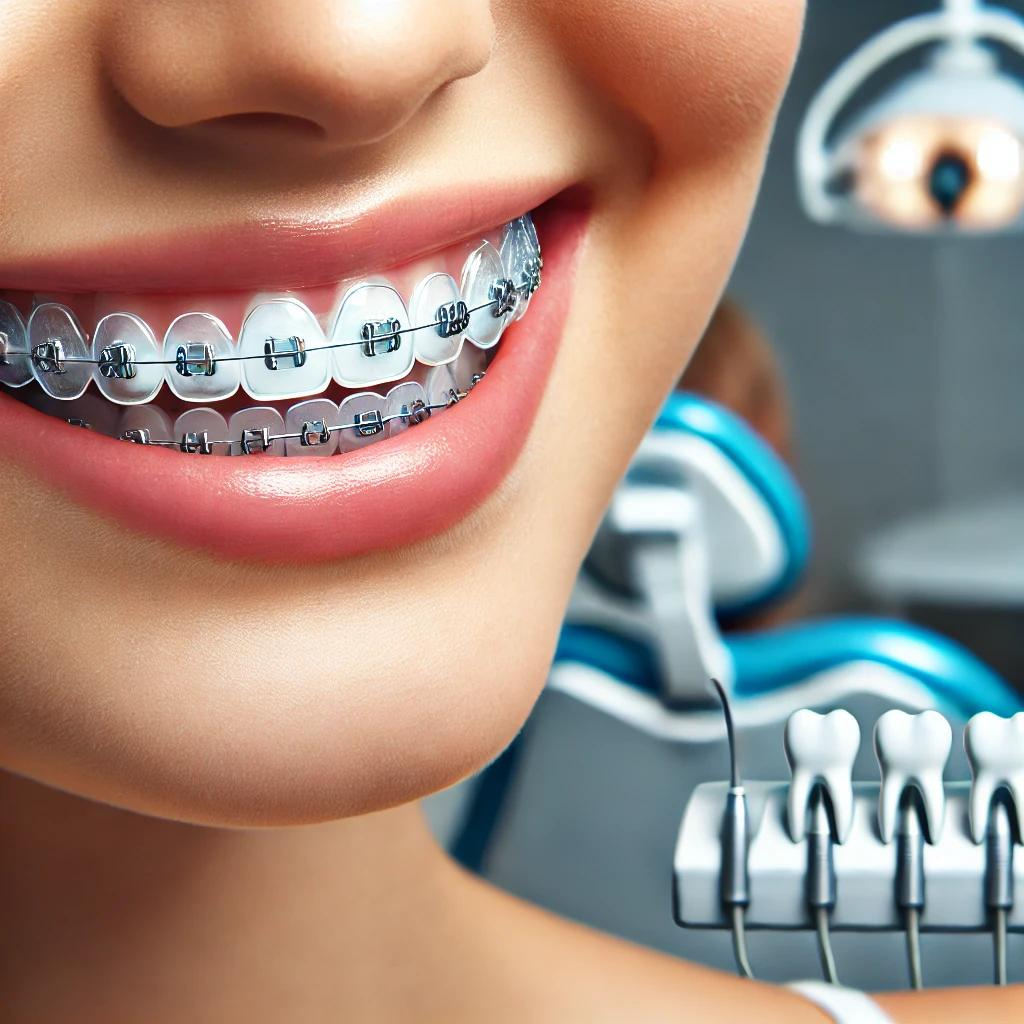
Emergency Orthodontist Near Me Finding an Emergency Orthodontist Near Me: Your Guide to Immediate Dental Care Introduction: Orthodontic emergencies can be both painful and stressful, requiring immediate attention to prevent further complications. If you’re searching for an “emergency orthodontist near me,” you’re in the right place. This guide will walk you through everything you need to know about handling orthodontic emergencies and how Nalamm Dental Clinic is here to help.   What is an Orthodontic Emergency? An orthodontic emergency is any sudden issue related to your braces, aligners, or other orthodontic appliances that causes pain, discomfort, or potential damage to your teeth and gums. Common emergencies include broken brackets, loose wires, or severe mouth sores caused by braces. How to Handle Orthodontic Emergencies: Assess the Situation: Examine your mouth to identify the problem. Look for broken parts of your braces, loose wires, or any swelling and bleeding. Temporary Relief: Use orthodontic wax to cover any sharp edges of broken braces or wires to prevent further injury. Over-the-counter pain relief can help manage discomfort until you can see an orthodontist. Seek Professional Help: Contact your orthodontist immediately. If the pain is severe or if there is a risk of further damage, visit an emergency orthodontist as soon as possible. Why Addressing Orthodontic Emergencies is Important: Prevent Further Damage: Ignoring an orthodontic emergency can lead to more severe issues, such as damage to your teeth or gums, or prolonged treatment times. Maintain Comfort: Immediate attention to emergencies ensures that you remain comfortable and pain-free throughout your orthodontic treatment. Ensure Effective Treatment: Timely intervention helps keep your orthodontic treatment on track, preventing any delays in achieving your desired results. Why Choose Our Clinic for Orthodontic Emergencies: At Nalamm Dental Clinic, we understand the urgency of orthodontic emergencies. Here’s why you should choose us: Expert Care: Our team of experienced orthodontists is trained to handle a wide range of orthodontic emergencies promptly and effectively. State-of-the-Art Facility: We use the latest technology and techniques to provide fast and efficient care, ensuring minimal discomfort and optimal results. Patient-Centered Approach: We prioritize your comfort and well-being, offering personalized care tailored to your specific needs.   Book Your Appointment: If you’re experiencing an orthodontic emergency, don’t wait. Schedule an appointment with Nalamm Dental Clinic today and receive the immediate care you need.   Frequently Asked Questions Q1: What should I do if a bracket breaks? A: If a bracket breaks, cover any sharp edges with orthodontic wax and contact your orthodontist for an emergency appointment.   Q2: How can I relieve pain from a poking wire? A: Use orthodontic wax to cover the wire and prevent it from poking your gums or cheek. If the discomfort persists, seek professional help.   Q3: Is it safe to cut a loose wire at home? A: It’s best to seek professional assistance. If necessary, you can use sanitized nail clippers to cut the wire, but only if you are unable to see your orthodontist immediately.   Q4: What if my aligner cracks? A: Switch to your previous aligner or wear the next one in your series if instructed to do so. Contact your orthodontist for further guidance.  

Types Of Diabetes
Apollo

Types Of Diabetes

Types Of Diabetes Types of Diabetes: Understanding the Differences and How to Manage Them   Introduction Diabetes is a chronic condition that affects millions of people worldwide. Understanding the different types of diabetes is crucial for effective management and treatment. In this blog, we will explore the various types of diabetes, their symptoms, and the best strategies for managing each type.   What Is Diabetes? Diabetes is a metabolic disorder characterized by high blood sugar levels. It occurs when the body either doesn’t produce enough insulin or can’t effectively use the insulin it produces. There are several types of diabetes, each with its unique characteristics and management needs. Types of Diabetes Type 1 Diabetes Type 1 diabetes is an autoimmune condition where the immune system attacks and destroys insulin-producing beta cells in the pancreas. This type typically develops in childhood or adolescence but can occur at any age. Symptoms: Increased thirst, frequent urination, extreme hunger, unintended weight loss, fatigue, blurred vision. Type 2 Diabetes Type 2 diabetes is the most common form of diabetes. It occurs when the body becomes resistant to insulin or when the pancreas doesn’t produce enough insulin. This type is often linked to lifestyle factors such as obesity and physical inactivity. Symptoms: Increased thirst, frequent urination, increased hunger, fatigue, blurred vision, slow-healing sores, frequent infections. Gestational Diabetes Gestational diabetes develops during pregnancy and usually goes away after childbirth. However, it increases the risk of developing type 2 diabetes later in life. Symptoms: Often, gestational diabetes doesn’t cause noticeable symptoms and is typically detected during routine pregnancy screenings. Prediabetes Prediabetes is a condition where blood sugar levels are higher than normal but not yet high enough to be diagnosed as type 2 diabetes. It is a critical warning sign that you’re at risk of developing diabetes. Symptoms: Prediabetes often has no clear symptoms and is usually identified through blood tests. Managing Diabetes Immediate Actions If you suspect you have diabetes or are experiencing symptoms, it’s important to seek medical advice promptly. Early detection and treatment can prevent complications. Diet: Adopt a balanced diet rich in whole grains, lean proteins, and vegetables. Limit sugary and processed foods. Exercise: Engage in regular physical activity to help manage blood sugar levels and maintain a healthy weight. Medication: Depending on the type of diabetes, you may need insulin injections or oral medications to manage your blood sugar levels. Long-Term Management Effective long-term management of diabetes involves continuous monitoring and lifestyle adjustments to maintain healthy blood sugar levels. Blood Sugar Monitoring: Regularly check your blood sugar levels to ensure they are within your target range. Healthy Lifestyle: Maintain a healthy diet and regular exercise routine. Avoid smoking and limit alcohol intake. Regular Check-Ups: Schedule regular appointments with your healthcare provider to monitor your condition and make necessary adjustments to your treatment plan. Apollo Sugar Clinics’ Approach to Diabetes Management At Apollo Sugar Clinics, we offer comprehensive diabetes management programs tailored to your specific needs. Our approach includes thorough assessments, personalized treatment plans, and ongoing support to help you effectively manage your condition. Comprehensive Assessment: During your initial visit, we conduct a thorough evaluation of your medical history, lifestyle, and current health status. Personalized Treatment Plan: Based on your assessment, we develop a treatment plan that may include dietary changes, exercise recommendations, medication, and continuous monitoring. Ongoing Support: We provide continuous support and regular follow-ups to ensure your treatment plan is effective and make necessary adjustments as needed.   Conclusion Understanding the different types of diabetes is essential for effective management and treatment. Whether you have type 1, type 2, gestational diabetes, or prediabetes, adopting a healthy lifestyle and following a personalized treatment plan can help you maintain stable blood sugar levels and improve your quality of life. At Apollo Sugar Clinics, we are dedicated to providing the best care and support to help you manage diabetes effectively.   F.A.Q What is diabetes? Diabetes is a chronic condition where the body has high blood sugar levels due to inadequate insulin production or ineffective use of insulin.   What are the main types of diabetes? The main types are: Type 1 Diabetes: An autoimmune condition where the body attacks insulin-producing cells. Type 2 Diabetes: Occurs when the body becomes resistant to insulin or doesn’t produce enough. Gestational Diabetes: Develops during pregnancy and usually resolves after childbirth. Prediabetes: Blood sugar levels are higher than normal but not high enough to be classified as type 2 diabetes. What are common symptoms of diabetes? Increased thirst and hunger Frequent urination Unintended weight loss Fatigue Blurred vision Slow-healing sores Frequent infections   How is diabetes diagnosed? Diabetes is diagnosed through blood tests that measure blood sugar levels, such as: Fasting Blood Sugar Test A1C Test Oral Glucose Tolerance Test   How can I manage diabetes? Healthy Diet: Eat a balanced diet with whole grains, lean proteins, and vegetables. Regular Exercise: Engage in regular physical activity. Medication: Take prescribed insulin or oral medications. Regular Monitoring: Check blood sugar levels regularly. Routine Check-Ups: Visit your healthcare provider regularly. What should I eat if I have diabetes? A balanced diet rich in whole grains, lean proteins, vegetables, and healthy fats is recommended. Avoid sugary and processed foods.  

Top Pediatric Dentists in Kumbakonam
Dental blog

Top Pediatric Dentists in Kumbakonam

Top Pediatric Dentists in Kumbakonam Top Pediatric Dentists in Kumbakonam: Ensuring Bright Smiles for Our Little Ones Introduction Finding the right dental care for your child is crucial for their overall health and well-being. In Kumbakonam, top pediatric dentists are dedicated to providing specialized care tailored to the unique needs of children, ensuring their dental experiences are positive and stress-free.   What is Pediatric Dentistry? Pediatric dentistry focuses on the oral health of infants, children, and adolescents, including those with special health care needs. It involves preventive and therapeutic care to ensure children maintain healthy teeth and gums, addressing issues such as cavities, misaligned teeth, and gum diseases. Why is Pediatric Dental Care Important? Children’s dental health is vital as it lays the foundation for their overall health. Early dental visits help in: Preventing Cavities: Regular check-ups and cleanings prevent tooth decay and cavities. Guiding Dental Growth: Monitoring the development of teeth and jaws ensures any irregularities are addressed promptly. Educating on Oral Hygiene: Teaching children proper brushing and flossing techniques promotes lifelong dental health habits. Building Positive Dental Attitudes: Early positive experiences at the dentist reduce anxiety and fear, encouraging routine dental care. Services Offered by Top Pediatric Dentists in Kumbakonam Preventive Care: Including cleanings, fluoride treatments, and sealants. Restorative Treatments: Such as fillings, crowns, and space maintainers. Orthodontic Assessments: Early evaluation and treatment of misaligned teeth and jaws. Emergency Care: Immediate attention to dental injuries or acute dental pain. How to Choose the Right Pediatric Dentist Selecting the right pediatric dentist involves considering several factors: Experience and Credentials: Ensure the dentist has specialized training in pediatric dentistry. Child-Friendly Environment: A welcoming and playful atmosphere helps children feel comfortable. Preventive Focus: Look for a dentist who emphasizes preventive care and education. Positive Reviews: Check testimonials and reviews from other parents. Why Choose Our Clinic for Pediatric Dentistry At our clinic, we pride ourselves on creating a nurturing environment where children feel safe and cared for. Our team of experienced pediatric dentists uses the latest techniques and equipment to provide comprehensive dental care tailored to the unique needs of young patients. We focus on preventive care and education to ensure lifelong healthy smiles.   Book Your Appointment Today Investing in your child’s dental health is an investment in their future. Schedule an appointment with us today to experience exceptional pediatric dental care.   Frequently Asked Questions Q1: When should my child first visit the dentist? A1: Your child should visit the dentist by their first birthday or when their first tooth appears, whichever comes first.   Q2: How often should my child have dental check-ups? A2: It is recommended to have dental check-ups every six months to maintain optimal oral health.   Q3: Are dental x-rays safe for children? A3: Yes, dental x-rays are safe. Modern x-rays use very low levels of radiation and are essential for diagnosing dental issues not visible to the naked eye.   Q4: What should I do if my child has a dental emergency? A4: If your child experiences a dental emergency, such as a knocked-out tooth or severe toothache, contact your pediatric dentist immediately for guidance and care.  

Type 1 Diabetes Symptoms
Apollo

Type 1 Diabetes Symptoms

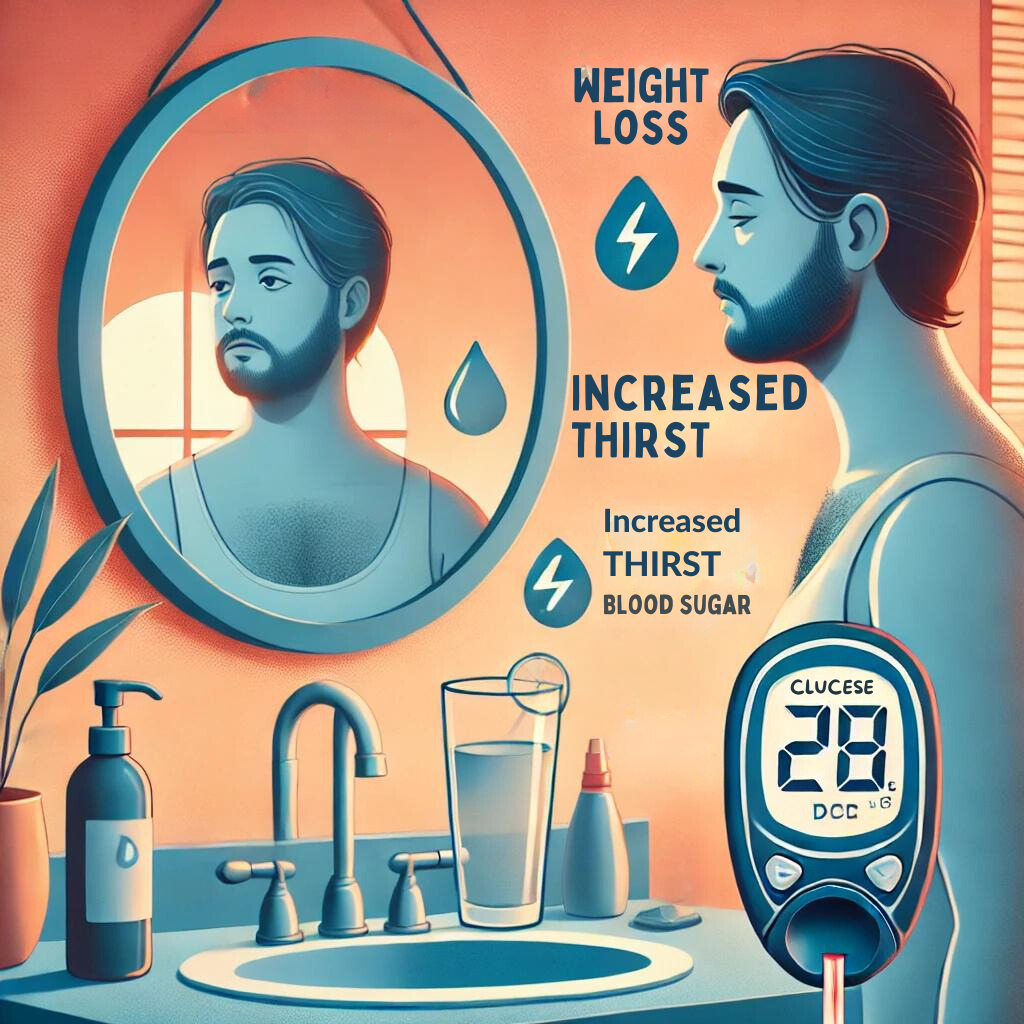
Type 1 Diabetes Symptoms Everything You Need to Know About Type 1 Diabetes Symptoms   Introduction Type 1 diabetes is a chronic condition where the pancreas produces little or no insulin. Recognizing its symptoms early can help in managing and treating the condition effectively.   What Is Type 1 Diabetes? Type 1 diabetes is an autoimmune disease where the body’s immune system attacks insulin-producing cells in the pancreas. Insulin is crucial for allowing glucose to enter cells and produce energy. Without sufficient insulin, glucose builds up in the bloodstream, leading to high blood sugar levels. Common Symptoms of Type 1 Diabetes Understanding the symptoms of Type 1 diabetes is essential for early diagnosis and management. Here are some common signs to look out for: Increased Thirst and Frequent Urination: High blood sugar levels cause excess sugar to be excreted in urine, drawing more water out of tissues and leading to dehydration and increased thirst. Extreme Hunger: Without enough insulin, sugar cannot enter cells to provide energy, leading to constant hunger. Unexplained Weight Loss: Despite eating more, individuals with Type 1 diabetes may lose weight as the body uses muscle and fat for energy due to insufficient insulin. Fatigue: Lack of insulin means glucose isn’t converted into energy effectively, causing persistent tiredness. Blurred Vision: High blood sugar levels can cause fluid to be pulled from the lenses of the eyes, affecting vision. Slow-Healing Sores or Frequent Infections: Type 1 diabetes can impair the body’s ability to heal and fight infections. Additional Symptoms to Watch For While the above symptoms are more common, other signs may indicate the onset of Type 1 diabetes: Irritability or Mood Changes: Blood sugar fluctuations can affect mood and cause irritability. Fruity-Scented Breath: When the body resorts to burning fat for energy, it produces ketones, which can cause a fruity odor in breath. Nausea and Vomiting: Elevated blood sugar levels can trigger nausea and vomiting. Managing Type 1 Diabetes Managing Type 1 diabetes requires a comprehensive approach: Insulin Therapy: Insulin must be taken regularly to maintain blood sugar levels. Blood Sugar Monitoring: Frequent blood sugar testing is crucial to ensure levels stay within the target range. Healthy Eating: A balanced diet helps manage blood sugar levels and supports overall health. Regular Exercise: Physical activity helps lower blood sugar levels and improve insulin sensitivity.   Conclusion Recognizing the symptoms of Type 1 diabetes early can make a significant difference in management and treatment. If you experience any of these symptoms, it is important to seek medical advice for proper diagnosis and care.   F.A.Q What is Type 1 diabetes? Type 1 diabetes is an autoimmune disorder where the immune system attacks insulin-producing cells in the pancreas, leading to high blood sugar levels.   What causes Type 1 diabetes? The exact cause is unknown, but it is believed to involve genetic and environmental factors that trigger the immune system to attack the pancreas.   What are the common symptoms of Type 1 diabetes? Increased thirst Frequent urination Extreme hunger Unexplained weight loss Fatigue Blurred vision Slow-healing sores or frequent infections   How is Type 1 diabetes diagnosed? Type 1 diabetes is diagnosed through blood tests that measure blood sugar levels and the presence of autoantibodies.   Can Type 1 diabetes be prevented? Currently, there is no known way to prevent Type 1 diabetes, but early detection and management can help control the condition.   How is Type 1 diabetes managed? Insulin Therapy: Regular insulin injections or an insulin pump. Blood Sugar Monitoring: Frequent testing of blood sugar levels. Healthy Diet: A balanced diet with controlled carbohydrate intake. Exercise: Regular physical activity to help lower blood sugar levels.

Emergency Dental Care in Kumbakonam
Dental blog

Emergency Dental Care in Kumbakonam

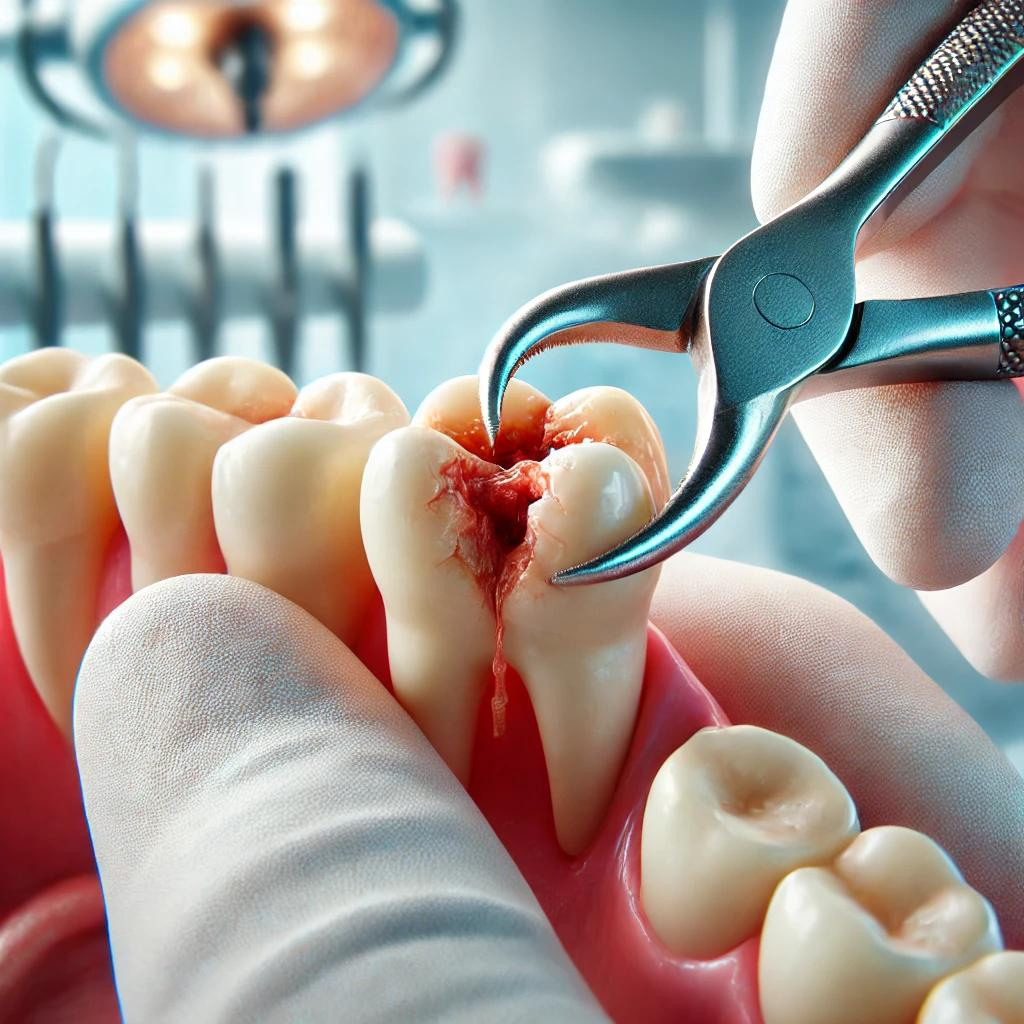
Emergency Dental Care in Kumbakonam Understanding Emergency Dental Care in Kumbakonam Introduction Dental emergencies can happen at any time and often require immediate attention to prevent further complications. In Kumbakonam, access to emergency dental care ensures that residents can address urgent dental issues promptly and effectively.   What is Emergency Dental Care? Emergency dental care involves immediate treatment for unexpected dental issues that cause pain, discomfort, or risk of further damage. Common dental emergencies include severe toothaches, knocked-out teeth, cracked or fractured teeth, and soft tissue injuries. How to Handle a Dental Emergency 1. Stay Calm and Assess the Situation Take a deep breath and try to stay calm. Assess the extent of the damage or pain. 2. Contact Your Dentist Call your dentist immediately. If it’s after hours, listen to their emergency instructions. 3. Manage Pain and Swelling Use over-the-counter pain relievers and apply a cold compress to reduce swelling. 4. Preserve the Tooth If a tooth is knocked out, gently rinse it and try to place it back in its socket or store it in milk until you reach the dentist. 5. Avoid Certain Foods Avoid eating hard, chewy, or sugary foods that can exacerbate the problem. Why Emergency Dental Care is Important Prevents Further Damage Immediate care can prevent minor issues from becoming major problems. Relieves Pain Quick treatment alleviates severe pain and discomfort. Preserves Oral Health Timely intervention ensures the long-term health of your teeth and gums. Reduces Risk of Infection Prompt care minimizes the risk of infection, which can lead to more serious health issues. Why Choose Our Clinic for Emergency Dental Care 24/7 Availability We offer round-the-clock emergency services to address urgent dental needs at any time. Experienced Professionals Our team is highly skilled in handling a wide range of dental emergencies efficiently and compassionately. State-of-the-Art Facilities Our clinic is equipped with the latest technology to provide quick and effective treatment. Personalized Care We offer tailored treatment plans to ensure the best possible outcomes for each patient.   Book Your Appointment Don’t wait until a dental emergency arises. Schedule a check-up today to ensure your oral health is in top condition. Our team is here to provide you with the highest level of care, whenever you need it.   Frequently Asked Questions Q1: What should I do if I have a severe toothache? Rinse your mouth with warm water, use dental floss to remove any trapped food, and apply a cold compress to reduce swelling. Contact your dentist immediately.   Q2: How should I handle a knocked-out tooth? Keep the tooth moist at all times. Try to place it back in its socket without touching the root. If this isn’t possible, place it in milk or use a tooth preservation product approved by your dentist.   Q3: Can I go to the emergency room for a dental emergency? While the ER can help with pain management, they are not equipped to handle most dental issues. It’s best to contact your dentist for specialized care.   Q4: What if I can’t afford emergency dental care? Many dental clinics offer payment plans or emergency care programs to help manage costs. Speak to your dentist about available options.  

High Blood Sugar Symptoms
Apollo

High Blood Sugar Symptoms

High Blood Sugar Symptoms High Blood Sugar Symptoms: Understanding and Managing Hyperglycemia   Introduction Living with diabetes requires vigilant monitoring of blood sugar levels to maintain optimal health. One of the key aspects of diabetes management is recognizing the symptoms of high blood sugar, or hyperglycemia. Understanding these symptoms is essential for timely intervention and effective management.   What Is High Blood Sugar? High blood sugar, or hyperglycemia, occurs when the level of glucose in the blood is elevated beyond the normal range. This condition is commonly associated with diabetes but can also be triggered by other factors such as stress, illness, and certain medications. Consistently high blood sugar levels can lead to various complications if not properly managed. Symptoms of High Blood Sugar Identifying the symptoms of high blood sugar can help in taking prompt action to bring the levels back to normal. Here are the common symptoms to watch out for: Frequent Urination One of the earliest signs of high blood sugar is an increased need to urinate. The body attempts to eliminate excess glucose through urine, leading to frequent trips to the bathroom. Increased Thirst As the body loses more fluids through frequent urination, dehydration can occur, resulting in persistent thirst. Even after drinking fluids, the thirst may not be easily quenched. Fatigue High blood sugar levels can affect the body’s ability to utilize glucose for energy, causing persistent fatigue and weakness despite adequate rest. Blurred Vision Excess glucose can affect the lens of the eyes, leading to blurred vision. This symptom can fluctuate and may improve as blood sugar levels are controlled. Headaches Elevated blood sugar levels can cause headaches and migraines. These headaches can range from mild to severe and often coincide with other hyperglycemia symptoms. Slow-Healing Wounds High blood sugar can impair the body’s natural healing process, causing cuts and wounds to heal more slowly than usual. Managing High Blood Sugar Effective management of high blood sugar involves a combination of immediate actions and long-term strategies. Here are some approaches to consider: Immediate Actions Hydration: Drink plenty of water to help flush out excess glucose through urine and prevent dehydration. Monitor Blood Sugar: Regularly check blood sugar levels to track changes and respond promptly to any significant increases. Medication Adjustment: Consult with a healthcare professional about adjusting medication or insulin dosages if necessary. Long-Term Strategies Healthy Diet: Adopt a balanced diet rich in whole grains, lean proteins, and vegetables to help maintain stable blood sugar levels. Regular Exercise: Engage in regular physical activity to improve insulin sensitivity and lower blood sugar levels. Stress Management: Practice stress-reducing techniques such as meditation, yoga, or deep breathing exercises to prevent stress-induced spikes in blood sugar. Routine Check-Ups: Schedule regular check-ups with healthcare providers to monitor overall health and adjust treatment plans as needed.   Conclusion Recognizing the symptoms of high blood sugar is crucial for effective diabetes management. By understanding and responding to these symptoms, individuals can take proactive steps to maintain their health and prevent complications. Adopting a comprehensive approach that includes immediate actions and long-term strategies can help keep blood sugar levels in check and promote overall well-being.   F.A.Q 1. What is high blood sugar? High blood sugar, or hyperglycemia, occurs when there is an excess amount of glucose in the bloodstream. It is commonly associated with diabetes but can also result from stress, illness, or certain medications.   2. What are the common symptoms of high blood sugar? Common symptoms include excessive thirst, frequent urination, blurred vision, fatigue, headaches, and slow-healing wounds.   3. How can I quickly lower my blood sugar levels? To quickly lower blood sugar levels, drink plenty of water to stay hydrated, engage in light physical activity, and take any prescribed medications or insulin as directed by your healthcare provider.   4. What should I eat to manage high blood sugar? Maintain a balanced diet rich in whole grains, lean proteins, and vegetables. Avoid sugary foods and beverages, and limit your intake of refined carbohydrates.   5. How often should I check my blood sugar levels? The frequency of blood sugar checks depends on your individual diabetes management plan. Generally, checking multiple times a day, especially before meals and bedtime, is recommended.   6. Can stress affect my blood sugar levels? Yes, stress can cause blood sugar levels to rise. Managing stress through techniques such as meditation, yoga, or deep breathing exercises can help keep your blood sugar levels stable.  

Dental Clinic Near me
Dental blog

Dental Clinic Near me in Kumbakonam

Dental Clinic Near me in Kumbakonam Discover the Best Dental Clinic Near You Introduction Finding a reliable dental clinic nearby can be a game-changer for your oral health. Whether it’s routine check-ups, specialized treatments, or emergency care, having a trusted dental clinic close to home ensures you receive the best care when you need it most. In this blog, we will explore the benefits of choosing a nearby dental clinic and highlight why Nalamm Dental Clinic is your go-to choice.   What is a Nearby Dental Clinic? A nearby dental clinic is a conveniently located practice that offers a range of dental services. These clinics are designed to provide accessible and timely dental care to the local community, ensuring patients can maintain optimal oral health without the hassle of long-distance travel. How to Choose a Nearby Dental Clinic Choosing the right nearby dental clinic involves considering several factors: Location: Proximity to your home or workplace. Services Offered: Comprehensive dental care including preventive, restorative, and cosmetic treatments. Expertise: Qualified and experienced dental professionals. Facilities: Modern equipment and a comfortable environment. Reputation: Positive reviews and recommendations from other patients. Why Having a Nearby Dental Clinic is Important Having a dental clinic close to you offers numerous benefits: Convenience: Easy access to appointments and emergency care. Consistency: Regular visits help in maintaining continuous and consistent care. Personalized Care: Familiarity with your dental history allows for tailored treatment plans. Emergency Services: Quick response in case of dental emergencies. Why Choose Our Clinic for Your Dental Needs At Nalamm Dental Clinic, we pride ourselves on offering top-notch dental services to our local community. Our clinic is strategically located to ensure easy access for our patients, and we provide a comprehensive range of dental treatments tailored to meet your unique needs. Our team of highly skilled and compassionate dental professionals is dedicated to delivering exceptional care in a comfortable and friendly environment.   Book Your Appointment Today Taking the first step towards better oral health is easy. Schedule your appointment with us and experience the convenience and quality of care that Nalamm Dental Clinic has to offer.   Frequently Asked Questions Q: What services do nearby dental clinics typically offer? A: Nearby dental clinics offer a variety of services including routine cleanings, fillings, extractions, orthodontics, and cosmetic treatments.   Q: How often should I visit a nearby dental clinic? A: It is recommended to visit a dental clinic every six months for regular check-ups and cleanings.   Q: What should I look for in a nearby dental clinic? A: Look for a clinic that is conveniently located, offers comprehensive services, has experienced professionals, modern facilities, and positive patient reviews.   Q: Can a nearby dental clinic handle dental emergencies? A: Yes, most nearby dental clinics are equipped to handle dental emergencies promptly.  

Type One Diabetes Symptoms
Apollo

Type One Diabetes Symptoms

Type One Diabetes Symptoms Managing Type One Diabetes Symptoms: A Comprehensive Guide Introduction Living with Type One Diabetes can be challenging, but understanding and managing the symptoms can significantly improve your quality of life. This comprehensive guide provides insights into the symptoms of Type One Diabetes and how to effectively manage them.   Understanding Type One Diabetes What Is Type One Diabetes? Type One Diabetes is a chronic condition where the pancreas produces little to no insulin, a hormone necessary for glucose to enter cells and produce energy. It is an autoimmune disorder where the body’s immune system attacks insulin-producing cells in the pancreas. This condition can develop at any age but is most commonly diagnosed in children and young adults. Symptoms of Type One Diabetes Type One Diabetes symptoms can appear suddenly and may include: Increased Thirst and Frequent Urination: High blood sugar levels cause excess glucose in the urine, drawing more fluid from the body, leading to dehydration and increased thirst. Extreme Hunger: The lack of insulin prevents glucose from entering cells, leading to persistent hunger. Unexplained Weight Loss: Despite eating more, the body cannot utilize glucose for energy, leading to weight loss as it starts burning fat and muscle. Fatigue: Without sufficient glucose in the cells, the body lacks energy, causing constant tiredness. Blurred Vision: High blood sugar levels can cause swelling in the eye lenses, leading to vision problems. Slow-Healing Sores or Frequent Infections: High blood sugar impairs the body’s ability to heal and fight infections. Managing Type One Diabetes Symptoms Immediate Treatments Managing Type One Diabetes requires immediate and ongoing care: Insulin Therapy: Regular insulin injections or an insulin pump are necessary to regulate blood sugar levels. Monitoring Blood Sugar Levels: Frequent blood sugar monitoring helps manage levels and adjust treatment as needed. Healthy Diet: A balanced diet rich in whole grains, vegetables, lean proteins, and healthy fats helps control blood sugar. Regular Exercise: Physical activity helps lower blood sugar levels and improve insulin sensitivity. Long-Term Management Long-term management of Type One Diabetes focuses on maintaining stable blood sugar levels and preventing complications: Continuous Glucose Monitoring (CGM): A CGM device provides real-time blood sugar readings, helping to better manage levels. Personalized Meal Planning: Working with a dietitian to create a meal plan that fits your lifestyle and needs can significantly impact blood sugar control. Regular Medical Check-ups: Routine visits to your healthcare provider ensure that your diabetes management plan is effective and adjusted as needed. Education and Support: Joining support groups and diabetes education programs can provide valuable information and emotional support. Living with Type One Diabetes Comprehensive Assessment An initial comprehensive assessment includes reviewing your medical history, conducting physical exams, and performing necessary tests to understand your health status. Personalized Treatment Plan Based on the assessment, a personalized treatment plan is developed. This plan may include specific insulin regimens, dietary guidelines, exercise routines, and regular monitoring schedules. Ongoing Support and Monitoring Ongoing support is crucial in managing Type One Diabetes. Regular follow-up appointments, continuous glucose monitoring, and access to a diabetes care team ensure that your management plan is effective and adjustments are made as necessary. Why Choose Expert Diabetes Care? Expertise and Experience: Skilled healthcare professionals specializing in diabetes management provide the best care possible. Patient-Centered Care: Personalized care plans that address your specific needs and concerns. Advanced Technology: Utilizing the latest medical technology for accurate diagnoses and effective treatments. Comprehensive Services: Offering a wide range of diabetes care services to support overall health.   Take Control of Your Diabetes Management   If you or a loved one is experiencing symptoms of Type One Diabetes, it’s essential to seek professional care. Proper management and support can help maintain stable blood sugar levels and improve quality of life.   F.A.Q What is Type One Diabetes? Type One Diabetes is an autoimmune condition where the body’s immune system attacks and destroys the insulin-producing cells in the pancreas, leading to little or no insulin production.   What causes Type One Diabetes? The exact cause of Type One Diabetes is unknown, but it is believed to involve genetic and environmental factors that trigger the immune system to attack insulin-producing cells.   Who is at risk for Type One Diabetes? Anyone can develop Type One Diabetes, but it is most commonly diagnosed in children, teenagers, and young adults. Having a family history of the disease may increase the risk.   What are the common symptoms of Type One Diabetes? Common symptoms include increased thirst, frequent urination, extreme hunger, unintended weight loss, fatigue, blurred vision, slow-healing wounds, and frequent infections.   How is Type One Diabetes diagnosed? Type One Diabetes is diagnosed through blood tests that measure blood sugar levels and the presence of antibodies that attack insulin-producing cells.   How is Type One Diabetes treated? Treatment involves regular insulin therapy through injections or an insulin pump, frequent blood sugar monitoring, a healthy diet, and regular physical activity.  

Porcelain Veneers Near Me
Dental blog

Porcelain Veneers Near Me

Porcelain Veneers Near Me Achieving Your Perfect Smile with Porcelain Veneers Introduction At Nalamm Dental Clinic, we understand the desire for a beautiful, confident smile. Porcelain veneers offer a transformative solution for achieving the perfect smile you’ve always dreamed of. In this blog, we’ll delve into what porcelain veneers are, how they work, and why they might be the ideal option for you.   What are Porcelain Veneers? Porcelain veneers are thin, custom-made shells designed to cover the front surface of your teeth. These shells are bonded to the teeth, changing their color, shape, size, or length, resulting in a natural and appealing look. They are an excellent choice for correcting various dental issues such as discoloration, worn-down teeth, chipped or broken teeth, misaligned or uneven teeth, and gaps between teeth. How Porcelain Veneers Work Consultation: The journey begins with a comprehensive consultation at Nalamm Dental Clinic. During this visit, we discuss your smile goals and evaluate your teeth to ensure veneers are the right option for you. Preparation: In the next appointment, we prepare your teeth for the veneers by removing a small amount of enamel from the tooth surface. This is necessary to ensure the veneer fits perfectly and looks natural. Impression: We then take an impression of your teeth, which is sent to our dental lab where your custom veneers are crafted. Bonding: Once your veneers are ready, we carefully bond them to your teeth using a special adhesive. After making any necessary adjustments, your new smile is complete. Why Choose Porcelain Veneers? Aesthetic Appeal: Porcelain veneers offer a natural tooth appearance and are stain-resistant, providing a long-lasting bright smile. Minimal Invasiveness: The procedure is less invasive compared to other dental treatments like crowns. Durability: With proper care, porcelain veneers can last many years, making them a wise investment in your smile. Confidence Boost: Veneers can dramatically improve your appearance, boosting your self-confidence and enhancing your overall quality of life. Why Choose Nalamm Dental Clinic? At Nalamm Dental Clinic, we pride ourselves on delivering exceptional dental care. Our experienced team, led by Dr. Aravind Chakravarthy, is dedicated to helping you achieve optimal dental health and a beautiful smile. We use the latest techniques and high-quality materials to ensure your veneers look natural and last for years. Our personalized approach means we take the time to understand your needs and tailor our services to meet them.   Book Your Appointment Today Ready to transform your smile with porcelain veneers? Visit Nalamm Dental Clinic for a consultation and discover how we can help you achieve the smile you’ve always wanted. Our team is here to guide you through the process and ensure your experience is comfortable and rewarding.   Frequently Asked Questions Q: Are porcelain veneers painful? A: The procedure is minimally invasive, and most patients experience little to no discomfort. Local anesthesia is used during the preparation of your teeth to ensure your comfort.   Q: How do I care for my porcelain veneers? A: Caring for veneers is similar to caring for natural teeth. Brush and floss regularly and visit us for routine check-ups and cleanings.   Q: Can veneers be whitened? A: Porcelain veneers are stain-resistant and do not respond to traditional teeth whitening treatments. It’s best to discuss any whitening desires with us before getting veneers.   Q: How long do porcelain veneers last? A: With proper care, porcelain veneers can last 10-15 years or even longer. Regular dental visits and good oral hygiene practices are key to their longevity.  

Diabetic Retinopathy Symptoms
Apollo

Diabetic Retinopathy Symptoms

Diabetic Retinopathy Symptoms Understanding Diabetic Retinopathy Symptoms Introduction Diabetic retinopathy is a diabetes complication that affects the eyes. It’s caused by damage to the blood vessels of the light-sensitive tissue at the back of the eye (retina). At its worst, diabetic retinopathy can lead to blindness. However, early detection and treatment can significantly reduce the risk of vision loss.   What Is Diabetic Retinopathy? Diabetic retinopathy occurs when high blood sugar levels cause damage to the blood vessels in the retina. This damage can lead to leaking of blood or fluid into the retina, swelling of retinal tissue, and ultimately blurred vision. Over time, the condition can worsen, leading to the growth of abnormal blood vessels that can cause serious vision problems. Symptoms of Diabetic Retinopathy Diabetic retinopathy often presents no symptoms in its early stages. As the condition progresses, symptoms may include: Blurred Vision: One of the earliest signs, which may come and go. Floaters: Small dark spots or strings that float in your field of vision. Dark or Empty Areas in Your Vision: Patches where vision is impaired or absent. Fluctuating Vision: Vision that changes from day to day. Impaired Color Vision: Difficulty distinguishing between different colors. Vision Loss: Severe, persistent vision loss indicating advanced retinopathy. Managing Diabetic Retinopathy Immediate Treatments If you experience symptoms of diabetic retinopathy, immediate action is required to prevent further damage and manage the condition effectively: Blood Sugar Control: Maintaining blood sugar levels within the target range to slow the progression of retinopathy. Medications: Anti-VEGF drugs may be injected into the eye to reduce swelling and stop the growth of abnormal blood vessels. Laser Treatment: Laser surgery can shrink or seal leaking blood vessels. Long-Term Management Long-term management of diabetic retinopathy involves regular monitoring and lifestyle changes: Regular Eye Exams: Annual comprehensive eye exams are crucial for early detection and management. Healthy Diet: A balanced diet rich in vegetables, fruits, whole grains, and lean proteins helps maintain blood sugar levels. Exercise: Regular physical activity can help manage diabetes and reduce the risk of retinopathy. Blood Pressure and Cholesterol Control: Managing these conditions can slow the progression of retinopathy. Comprehensive Care for Diabetic Retinopathy Thorough Assessment A thorough assessment of your eye health and overall medical condition is the first step in managing diabetic retinopathy. This may include: Dilated Eye Exam: To check for signs of retinopathy, macular edema, cataracts, and glaucoma. Imaging Tests: Such as optical coherence tomography (OCT) or fluorescein angiography to examine the retina in detail. Personalized Treatment Plan Based on the assessment, a personalized treatment plan will be developed, which may include: Medication Regimen: Specific drugs to manage blood sugar, blood pressure, and cholesterol levels. Dietary and Lifestyle Recommendations: Tailored advice to help maintain overall health and manage diabetes effectively. Follow-Up Appointments: Regular visits to monitor the progression of retinopathy and adjust treatment as needed. Ongoing Support and Monitoring Continuous support and monitoring ensure that the treatment plan remains effective. This includes: Regular Eye Exams: To detect changes in the condition and make timely interventions. Patient Education: Providing information on managing diabetes and preventing complications. Support Groups: Offering emotional and social support for individuals managing diabetes and retinopathy.   Conclusion Early detection and proactive management are crucial in preventing vision loss due to diabetic retinopathy. By maintaining good control of your blood sugar levels, adopting a healthy lifestyle, and having regular eye exams, you can protect your vision and improve your quality of life.   F.A.Q 1. What is diabetic retinopathy? Diabetic retinopathy is a diabetes complication that affects the eyes, caused by damage to the blood vessels of the retina due to high blood sugar levels. It can lead to vision problems and, if left untreated, may result in blindness.   2. What are the symptoms of diabetic retinopathy? Symptoms of diabetic retinopathy include blurred vision, floaters (small dark spots or strings in your vision), dark or empty areas in your vision, fluctuating vision, impaired color vision, and vision loss.   3. Who is at risk for diabetic retinopathy? Anyone with type 1 or type 2 diabetes is at risk for diabetic retinopathy. The risk increases with the duration of diabetes and is higher if blood sugar levels are not well controlled. High blood pressure, high cholesterol, and smoking also increase the risk.   4. How is diabetic retinopathy diagnosed? Diabetic retinopathy is diagnosed through a comprehensive eye exam, which may include a dilated eye exam to examine the retina, optical coherence tomography (OCT) to capture detailed images of the retina, and fluorescein angiography to observe blood flow in the retina.   5. How can I prevent diabetic retinopathy? Preventing diabetic retinopathy involves controlling your blood sugar levels, blood pressure, and cholesterol, maintaining a healthy diet, exercising regularly, and avoiding smoking. Regular eye exams are crucial for early detection and management.  

Scroll to Top