Dentist Kumbakonam
Dental blog

Dentist Kumbakonam

Dentist Kumbakonam Why Regular Dental Checkups Are Essential for a Healthy Smile Introduction Looking for the best dentist in Kumbakonam who provides top-quality dental care? Nalamm Dental Hospital, led by Dr. Aravind Chakaravarthy, is your go-to destination for expert dental treatments. As the one and only cosmetic dentist in Kumbakonam, we specialize in smile designing, ensuring that every patient achieves a confident and radiant smile. The Basics of Dental Care Good oral health is the foundation of a beautiful smile. At Nalamm Dental Hospital, we offer a wide range of services, including general dentistry, orthodontics, teeth whitening, dental implants, and smile designing. Whether you need a routine checkup or advanced cosmetic procedures, our expert team is here to help. Benefits of Choosing Professional Dental Care Expert Diagnosis: Early detection of dental issues prevents major problems. Advanced Treatments: We use modern equipment and techniques for painless procedures. Personalized Care: Every treatment plan is tailored to meet your specific needs. Enhanced Smile Aesthetics: With our specialization in smile designing, we craft perfect smiles. Process of Smile Designing & Other Treatments At Nalamm Dental Hospital, Kumbakonam Dentist, our smile designing process is tailored to transform your smile beautifully: Consultation & Analysis: A detailed assessment of your teeth, gums, and facial aesthetics. Treatment Planning: Customized solutions like veneers, teeth whitening, or orthodontics. Implementation: Using the latest techniques to enhance your smile painlessly. Final Touches & Follow-Up: Ensuring long-lasting results with proper care guidance. Our Expertise at Nalamm Dental Hospital Dr. Aravind Chakaravarthy, the one and only cosmetic dentist in Kumbakonam, leads our expert team. We use advanced technology to provide the best treatment experience. Our specialization in smile designing makes us the preferred choice for those seeking a flawless smile. We prioritize patient comfort with painless and efficient treatments. Book Your Appointment Today! Your smile is your signature! Visit Nalamm Dental Hospital, the best dental clinic in Kumbakonam, and let us craft the perfect smile for you. Book your appointment today and experience top-notch dental care with Dr. Aravind Chakaravarthy. Frequently Asked Questions How often should I visit the dentist? It’s recommended to visit the dentist every six months for a regular checkup.   What can I expect during a dental checkup? A dental checkup typically includes a thorough examination of your teeth and gums, professional cleaning, and advice on oral care.   Why do I need a professional cleaning if I brush and floss daily? Professional cleanings remove plaque and tartar that regular brushing and flossing might miss, especially in hard-to-reach areas.   Can regular dental checkups detect other health issues? Yes, dentists can often spot signs of other health conditions like diabetes or heart disease during a dental checkup.   How often should I get a dental checkup? It’s generally recommended to visit the dentist every six months, but your dentist might suggest a different schedule based on your specific needs.   What happens during a regular dental checkup? A checkup includes an examination of your teeth, gums, and mouth, professional cleaning, and a discussion about your oral health.  

Pinhole Gum Surgery Near me
Dental blog

Pinhole Gum Surgery Near me

Pinhole Gum Surgery Near me Discover the Benefits of Pinhole Gum Surgery at Nalamm Dental Clinic Introduction Gum recession is a common dental issue that can lead to sensitivity, tooth decay, and aesthetic concerns. Fortunately, advances in dental technology have introduced a minimally invasive procedure called Pinhole Gum Surgery, also known as the Pinhole Surgical Technique (PST). This innovative treatment offers a quick and effective solution for restoring receding gums. In this blog, we’ll explore what Pinhole Gum Surgery is, how it works, and why you should consider it for your gum health.   What is Pinhole Gum Surgery? Pinhole Gum Surgery is a minimally invasive procedure used to treat gum recession without the need for traditional gum grafting. Instead of cutting or suturing, the technique involves making a small pinhole in the gum tissue. Through this tiny hole, a dental professional gently loosens the gum tissue and repositions it to cover the exposed roots of the teeth. The procedure is quick, with minimal discomfort and a shorter recovery time compared to traditional methods. How to Care for Your Gums After Pinhole Surgery After undergoing Pinhole Gum Surgery, it’s essential to follow proper aftercare to ensure the best results: Gentle Oral Hygiene: Use a soft-bristle toothbrush and non-abrasive toothpaste to clean your teeth without irritating the treated area. Follow Dietary Guidelines: Stick to soft foods for the first few days to avoid putting pressure on your gums. Avoid Touching the Treated Area: Refrain from poking or prodding the area with your tongue or fingers to allow for proper healing. Regular Dental Check-ups: Schedule follow-up visits with your dentist to monitor your recovery and maintain your gum health. Why Pinhole Gum Surgery? Pinhole Gum Surgery offers several advantages over traditional gum grafting procedures: Minimally Invasive: No incisions or sutures are required, making the procedure less painful and more comfortable. Faster Recovery: Patients typically experience quicker healing times, allowing them to return to their normal activities sooner. Aesthetic Improvement: The procedure can improve the appearance of your smile by covering exposed roots and creating a more uniform gum line. Long-lasting Results: With proper care, the results of Pinhole Gum Surgery can be long-lasting, helping to protect your teeth and maintain your oral health. Why Choose Nalamm Dental Clinic? At Nalamm Dental Clinic, we are proud to offer the latest in dental treatments, including Pinhole Gum Surgery. Our skilled and experienced dental professionals are dedicated to providing personalized care in a comfortable and welcoming environment. We use state-of-the-art technology to ensure that your procedure is as effective and painless as possible. Whether you’re dealing with gum recession or other dental concerns, you can trust Nalamm Dental Clinic to provide the highest quality care.   Book Your Appointment If you’re experiencing gum recession and want to explore the benefits of Pinhole Gum Surgery, contact Nalamm Dental Clinic today to schedule a consultation. Our team is here to help you achieve a healthier, more confident smile.   Frequently Asked Questions Q1: Is Pinhole Gum Surgery painful? A1: Most patients experience minimal discomfort during and after the procedure. Local anesthesia is used to ensure comfort, and the recovery time is typically shorter than with traditional gum grafting.   Q2: How long does the procedure take? A2: The procedure usually takes about 1 to 2 hours, depending on the number of teeth being treated.   Q3: Will my gums return to their previous state? A3: With proper oral care and regular dental check-ups, the results of Pinhole Gum Surgery can be long-lasting, preventing further gum recession.  

Apollo

Diabetic Friendly Meals

Diabetic Friendly Meals Delicious Diabetic-Friendly Meals: Expert Tips and Healthy Recipes for Balanced Blood Sugar Introduction Are you or a loved one managing diabetes and looking for healthy meal options? Maintaining a balanced diet is crucial for effective diabetes management and overall well-being. At Apollo Sugar Clinics, we understand the importance of nutrition in diabetes care, and we’re here to help you make informed choices about your meals. Discover our expert tips and delicious recipes for diabetic-friendly meals that can support your health journey.   Understanding Diabetes and Nutrition What Is Diabetes? Diabetes is a chronic condition that occurs when the body either does not produce enough insulin or cannot effectively use the insulin it produces. Insulin is a hormone that helps regulate blood sugar levels. Without proper insulin function, blood sugar levels can become dangerously high, leading to various health complications. There are three main types of diabetes: Type 1, Type 2, and gestational diabetes, each with its unique causes and management strategies. The Role of Nutrition in Diabetes Management Nutrition plays a critical role in managing diabetes. Choosing the right foods can help control blood sugar levels, prevent complications, and improve overall health. A diabetic-friendly diet typically emphasizes whole grains, lean proteins, healthy fats, and plenty of fruits and vegetables while limiting refined sugars and processed foods. Diabetic-Friendly Meals Breakfast Ideas Start your day with a nutritious breakfast that helps stabilize your blood sugar levels throughout the morning. Oatmeal with Berries: Oats are a great source of soluble fiber, which can help manage blood sugar levels. Top your oatmeal with fresh berries for added flavor and antioxidants. Greek Yogurt Parfait: Opt for plain, unsweetened Greek yogurt and layer it with nuts, seeds, and a small portion of fresh fruit for a protein-packed breakfast. Egg White Omelette: Whip up an egg white omelette filled with non-starchy vegetables like spinach, tomatoes, and bell peppers, and pair it with whole-grain toast. Lunch Ideas A balanced lunch can keep you energized and help avoid blood sugar spikes. Grilled Chicken Salad: Combine grilled chicken breast with leafy greens, cucumbers, cherry tomatoes, and a light vinaigrette dressing. Add a small portion of quinoa or brown rice for whole grains. Lentil Soup: Lentils are rich in fiber and protein, making them an excellent choice for managing diabetes. Prepare a hearty lentil soup with vegetables and a side of whole-grain crackers. Turkey Wrap: Use a whole-grain tortilla to wrap lean turkey slices, lettuce, avocado, and a sprinkle of cheese for a satisfying and balanced meal. Dinner Ideas End your day with a dinner that keeps your blood sugar levels in check and supports restful sleep. Baked Salmon with Steamed Vegetables: Salmon is rich in omega-3 fatty acids, which can reduce inflammation and support heart health. Pair it with steamed vegetables like broccoli or asparagus. Stuffed Bell Peppers: Fill bell peppers with a mixture of lean ground turkey, brown rice, and diced vegetables, then bake until tender. Vegetable Stir-Fry: Sauté a variety of non-starchy vegetables like bell peppers, zucchini, and mushrooms in olive oil, and serve over a small portion of brown rice or quinoa. Snack Ideas Healthy snacks can help manage hunger and prevent overeating at meal times. Nuts and Seeds: A small handful of almonds, walnuts, or chia seeds provides healthy fats and protein to keep you satisfied. Hummus with Veggies: Pair hummus with raw vegetables like carrots, cucumber, and celery for a crunchy, fiber-rich snack. Apple Slices with Peanut Butter: Enjoy apple slices with a small amount of natural peanut butter for a balanced snack that combines fiber and healthy fats. Our Approach to Diabetes Nutrition at Apollo Sugar Clinics Personalized Meal Planning At Apollo Sugar Clinics, we offer personalized meal planning services tailored to your specific needs and preferences. Our nutrition experts work with you to develop a diet plan that helps manage your diabetes while still allowing you to enjoy delicious meals. Nutritional Counseling We provide ongoing nutritional counseling to help you make informed food choices and adjust your diet as needed. Our team is here to support you with practical tips, recipe ideas, and strategies for dining out while managing your diabetes. Cooking Workshops Join our cooking workshops to learn how to prepare diabetic-friendly meals that are both healthy and flavorful. Our workshops are designed to empower you with the skills and confidence to cook nutritious meals at home. Why Choose Apollo Sugar Clinics? Expert Nutritionists: Our team includes experienced nutritionists who specialize in diabetes care and meal planning. Patient-Centered Care: We provide personalized care that focuses on your unique health needs and goals. Comprehensive Support: From meal planning to cooking workshops, we offer a range of services to support your diabetes management journey.   BOOK YOUR APPOINTMENT TODAY!   Ready to take control of your diabetes through healthy eating? Schedule a consultation with us at Apollo Sugar Clinics today. Our dedicated team is here to help you create a balanced, nutritious diet that supports your health and well-being.   F.A.Q 1. What makes a meal diabetic-friendly? A diabetic-friendly meal is one that helps manage blood sugar levels. It typically includes a balance of carbohydrates, proteins, and healthy fats, with an emphasis on whole grains, vegetables, lean proteins, and minimal added sugars. Portion control and the glycemic index of foods are also important considerations.   2. Can I still eat carbohydrates if I have diabetes? Yes, you can eat carbohydrates, but it’s important to choose complex carbs such as whole grains, legumes, and vegetables. These types of carbohydrates are digested more slowly, leading to more stable blood sugar levels. Portion control is also key.   3. Are fruits safe to eat for people with diabetes? Yes, fruits can be part of a diabetes-friendly diet. However, it’s important to choose fruits with a low glycemic index (like berries, apples, and pears) and be mindful of portion sizes. Fresh, whole fruits are preferable to fruit juices or dried fruits.   4. What types of fats are recommended for a diabetic diet? Healthy

Diabetic Blister Treatment
Apollo

Diabetic Blister Treatment

Diabetic Blister Treatment Comprehensive Care and Treatment for Diabetic Blisters at Apollo Sugar Clinics Introduction Are you or a loved one dealing with diabetic blisters? Managing these blisters is crucial for maintaining your overall health and well-being. At Apollo Sugar Clinics, we specialize in providing comprehensive care and effective treatments for diabetic blisters to help you live a healthy, balanced life.   Understanding Diabetic Blisters What Are Diabetic Blisters? Diabetic blisters, also known as bullosis diabeticorum, are a rare but concerning complication of diabetes. These blisters usually appear suddenly on the hands, feet, legs, or forearms and can vary in size from small to large. They are typically painless and filled with clear fluid. Diabetic blisters can occur in individuals with poorly controlled diabetes and are often a sign of high blood sugar levels or advanced diabetic neuropathy. Symptoms of Diabetic Blisters Painless Blisters: The most common symptom is the appearance of painless blisters, often on the feet or hands. Clear Fluid: The blisters are typically filled with clear, sterile fluid and resemble burns. No Surrounding Redness: Unlike typical blisters caused by friction, diabetic blisters do not usually have surrounding redness or inflammation. Sudden Onset: Diabetic blisters often appear suddenly, without any noticeable injury or trauma. Multiple Blisters: There may be a cluster of blisters in one area or multiple blisters scattered on different parts of the body. Diabetic Blister Treatments Immediate Treatments If you experience diabetic blisters, immediate action is required to prevent infection and promote healing. Here are some quick treatments: Do Not Pop the Blisters: Popping the blisters can lead to infections. It’s essential to leave them intact and allow them to heal naturally. Keep the Area Clean: Gently clean the blistered area with mild soap and water to reduce the risk of infection. Apply Antiseptic: Use an antiseptic ointment to prevent infections, especially if the blister has ruptured. Cover the Blister: Protect the blister with a sterile bandage or dressing to prevent further irritation and reduce the risk of infection. Long-Term Management Long-term management of diabetic blisters involves addressing the underlying cause and making necessary lifestyle adjustments: Control Blood Sugar Levels: Maintaining stable blood sugar levels is crucial in preventing diabetic blisters. Work closely with your healthcare provider to manage your diabetes effectively. Proper Foot Care: Regularly inspect your feet for blisters or other injuries, keep them clean, and wear appropriate footwear to protect your feet. Monitor for Infection: If you notice any signs of infection, such as redness, swelling, or pus, seek medical attention immediately. Consult a Specialist: Regular check-ups with a diabetes specialist can help monitor your condition and prevent complications like diabetic blisters. Our Approach to Diabetic Blister Treatment at Apollo Sugar Clinics Comprehensive Assessment During your initial visit, our experienced healthcare professionals will conduct a thorough assessment to understand your medical history, current health status, and specific needs. This may include blood tests, nerve function tests, and a detailed examination of your feet and skin. Personalized Treatment Plan Based on your assessment, we will develop a personalized treatment plan tailored to your unique needs. This plan may include blood sugar management strategies, specialized wound care, and recommendations for proper footwear. Ongoing Support and Monitoring We provide continuous support and monitoring to ensure your treatment plan is effective. Regular follow-up appointments and consultations help us track your progress, make necessary adjustments, and provide guidance to manage your condition effectively. Why Choose Apollo Sugar Clinics? Expertise and Experience: Our team of skilled healthcare professionals specializes in diabetes management and diabetic blister treatment, ensuring you receive the best care possible. Patient-Centered Care: Your comfort and well-being are our top priorities. We strive to provide personalized care that addresses your specific needs and concerns. Advanced Technology: We use the latest medical technology and equipment to provide accurate diagnoses and effective treatments. Comprehensive Services: In addition to diabetic blister treatment, we offer a wide range of diabetes care services to support your overall health.   BOOK YOUR APPOINTMENT TODAY!   If you or a loved one is experiencing diabetic blisters, schedule a consultation with us at Apollo Sugar Clinics. Our friendly and knowledgeable staff is here to help you achieve stable blood sugar levels and improve your quality of life.   F.A.Q 1. What are diabetic blisters, and why do they occur? Diabetic blisters, also known as bullosis diabeticorum, are fluid-filled blisters that can appear on the skin of individuals with diabetes. They usually occur due to poor blood sugar control, which can damage blood vessels and nerves, leading to skin complications.   2. Are diabetic blisters painful? Diabetic blisters are typically painless, though they may cause discomfort if they rupture or become infected. It’s important to monitor them closely to avoid complications.   3. How can I prevent diabetic blisters from forming? To prevent diabetic blisters, maintain good blood sugar control, wear well-fitting shoes, and practice daily foot care. Regular check-ups with your healthcare provider are also essential.   4. Should I pop a diabetic blister? No, you should never pop a diabetic blister. Popping the blister increases the risk of infection and can delay healing. Instead, keep the blister clean and covered to protect it.   5. How should I treat a diabetic blister at home? If you have a diabetic blister, gently clean the area with mild soap and water, apply an antibacterial ointment, and cover it with a sterile bandage. Avoid applying pressure to the blister.   6. When should I seek medical attention for a diabetic blister? You should seek medical attention if the blister shows signs of infection, such as redness, swelling, warmth, or pus. Also, consult your healthcare provider if the blister does not heal or if you have multiple blisters.  

Dentistry for Children
Dental blog

Dentistry for Children

Dentistry for Children Dentistry for Children: Ensuring a Lifetime of Healthy Smiles Introduction At Nalamm Dental Clinic, we understand the importance of establishing good oral hygiene habits from a young age. Dentistry for children is about more than just maintaining healthy teeth—it’s about setting the foundation for a lifetime of confident smiles and overall well-being.   What is Pediatric Dentistry? Pediatric dentistry is a specialized branch of dental care that focuses on the oral health of children from infancy through the teenage years. This includes preventive care, early detection of dental issues, and educating both parents and children about proper oral hygiene practices. Pediatric dentists are trained to handle the unique dental needs of children, including those with special healthcare requirements. How to Maintain Your Child’s Dental Health Ensuring your child maintains good oral hygiene involves several key practices: Start Early: Begin cleaning your baby’s gums even before their first tooth appears. Use a soft, damp cloth or a gentle infant toothbrush. Regular Dental Visits: Schedule your child’s first dental visit by their first birthday. Regular check-ups every six months help in early detection of potential issues. Teach Proper Brushing Techniques: Guide your child in brushing their teeth twice a day using fluoride toothpaste. Supervise their brushing until they are old enough to do it effectively on their own. Balanced Diet: Encourage a diet rich in fruits, vegetables, and dairy products while limiting sugary snacks and drinks that can lead to cavities. Protect Their Teeth: For children involved in sports, ensure they wear a mouthguard to protect their teeth from injury. Why Pediatric Dentistry is Important Early dental care is crucial for preventing cavities, ensuring proper development of the teeth and jaws, and avoiding future orthodontic issues. Regular dental visits also help in building a positive relationship with the dentist, reducing the likelihood of dental anxiety as your child grows older. Furthermore, by addressing dental issues early, you can prevent them from becoming more serious—and more costly—down the line. Why Choose Nalamm Dental Clinic? At Nalamm Dental Clinic, we take pride in our child-friendly environment and our compassionate, patient-centered approach to pediatric dentistry. Our team is dedicated to making your child’s dental experience as comfortable and stress-free as possible. We use the latest techniques and equipment to provide gentle, effective care tailored to the unique needs of your child.   Book Your Appointment Today! Don’t wait until there’s a problem—ensure your child’s smile stays healthy and bright. Schedule an appointment with Nalamm Dental Clinic today to get started on the path to excellent dental health for your child.   Frequently Asked Questions Q1: At what age should I bring my child for their first dental visit? A1: It’s recommended to schedule your child’s first dental visit by their first birthday.   Q2: How can I help my child overcome fear of the dentist? A2: Start dental visits early, maintain a positive attitude about dental care, and choose a child-friendly dental clinic like Nalamm Dental Clinic.   Q3: What should I do if my child has a cavity? A3: Visit a pediatric dentist as soon as possible to have the cavity treated and to receive guidance on preventing future cavities.   Q4: How long does early orthodontic treatment usually take? A4: The length of early treatment varies depending on the issue, but it typically lasts 6 to 18 months, with regular monitoring and adjustments.   Q5: Is early orthodontic treatment painful for children? A5: Early orthodontic treatment is generally not painful. There might be mild discomfort when appliances are first adjusted, but it’s usually temporary and manageable.   Q6: How often will my child need to visit the orthodontist during early treatment? A6: Typically, visits are scheduled every 4 to 8 weeks to monitor progress and make necessary adjustments.  

Best Diabetes Doctor Near me in Kumbakonam
Apollo

Best Diabetes Doctor Near me in Kumbakonam

Best Diabetes Doctor Near me in Kumbakonam Find the Best Diabetes Doctor Near You in Kumbakonam: Comprehensive Care at Apollo Sugar Clinics Introduction Are you or a loved one dealing with diabetes in Kumbakonam? Managing diabetes effectively is essential for maintaining overall health and well-being. At Apollo Sugar Clinics, we specialize in providing comprehensive care and effective treatments for diabetes, helping you lead a healthy, balanced life.   Understanding Diabetes What Is Diabetes? Diabetes is a chronic condition that affects how your body turns food into energy. When you have diabetes, your body either doesn’t make enough insulin or can’t use it as well as it should, leading to high blood sugar levels. Over time, high blood sugar can lead to serious health problems, such as heart disease, vision loss, and kidney disease. Types of Diabetes Type 1 Diabetes: An autoimmune condition where the body attacks insulin-producing cells in the pancreas. Type 2 Diabetes: A condition where the body becomes resistant to insulin or doesn’t produce enough, often linked to lifestyle factors. Gestational Diabetes: A form of diabetes that occurs during pregnancy and usually resolves after childbirth. Symptoms of Diabetes Increased Thirst: Frequent thirst despite drinking fluids. Frequent Urination: Increased need to urinate, especially at night. Unexplained Weight Loss: Sudden weight loss without a clear reason. Fatigue: Persistent tiredness and lack of energy. Blurred Vision: Difficulty in seeing clearly due to high blood sugar levels. Diabetes Treatments Immediate Treatments If you experience symptoms of diabetes, it’s crucial to seek medical attention immediately. Early diagnosis and treatment can prevent complications. Insulin Therapy: For those with Type 1 diabetes or advanced Type 2 diabetes, insulin injections are necessary to manage blood sugar levels. Oral Medications: Various medications can help control blood sugar levels, especially in Type 2 diabetes. Long-Term Management Managing diabetes over the long term requires a combination of medication, lifestyle changes, and regular monitoring. Healthy Eating: A balanced diet rich in whole grains, fruits, vegetables, and lean proteins helps manage blood sugar. Physical Activity: Regular exercise improves insulin sensitivity and helps control blood sugar levels. Regular Monitoring: Frequent blood sugar checks and regular medical visits are crucial for effective diabetes management. Our Approach to Diabetes Treatment in Kumbakonam Comprehensive Assessment During your initial visit, our experienced healthcare professionals will conduct a thorough assessment, including blood tests and evaluations of your medical history, to understand your specific needs. Personalized Treatment Plan Based on your assessment, we will develop a personalized treatment plan tailored to your unique needs. This plan may include medication, dietary recommendations, and lifestyle modifications. Ongoing Support and Monitoring We provide continuous support and monitoring to ensure your treatment plan is effective. Regular follow-up appointments help us track your progress, make necessary adjustments, and provide guidance for managing diabetes effectively. Why Choose Apollo Sugar Clinics in Kumbakonam? Expertise and Experience: Our team of skilled healthcare professionals specializes in diabetes management, ensuring you receive the best care possible. Patient-Centered Care: Your comfort and well-being are our top priorities. We provide personalized care that addresses your specific needs and concerns. Advanced Technology: We use the latest medical technology and equipment for accurate diagnoses and effective treatments. Comprehensive Services: In addition to diabetes treatment, we offer a wide range of diabetes care services to support your overall health.   BOOK YOUR APPOINTMENT TODAY!   If you or a loved one is experiencing symptoms of diabetes, schedule a consultation with us at Apollo Sugar Clinics in Kumbakonam. Our friendly and knowledgeable staff is here to help you achieve stable blood sugar levels and improve your quality of life.   F.A.Q 1. What types of diabetes do you treat at Apollo Sugar Clinics? We treat all types of diabetes, including Type 1, Type 2, and gestational diabetes. Our experts create personalized treatment plans for each type to help you manage your condition effectively.   2. How do I know if I need to see a diabetes specialist? If you experience symptoms such as excessive thirst, frequent urination, unexplained weight loss, extreme fatigue, or blurred vision, it’s important to consult a diabetes specialist. Early diagnosis and management are crucial to prevent complications.   3. What services do you offer for diabetes management? We offer comprehensive diabetes care services, including insulin therapy, oral medications, dietary counseling, lifestyle modification advice, regular blood sugar monitoring, and ongoing support through follow-up appointments.   4. How often should I visit the clinic for diabetes management? The frequency of visits depends on your specific condition and treatment plan. Generally, we recommend regular follow-up appointments every 3 to 6 months, or more frequently if needed, to monitor your progress and adjust your treatment plan.   5. Do you offer diet and exercise plans for managing diabetes? Yes, we provide personalized diet and exercise plans tailored to your health needs. Our experts will guide you on the best foods to eat and physical activities to incorporate into your routine to manage your diabetes effectively.   6. Can I get my blood sugar levels tested at Apollo Sugar Clinics? Absolutely. We offer on-site blood sugar testing and other diagnostic services to monitor your condition closely and adjust your treatment plan as needed.  

Decayed Wisdom Tooth Extraction
Dental blog

Decayed Wisdom Tooth Extraction

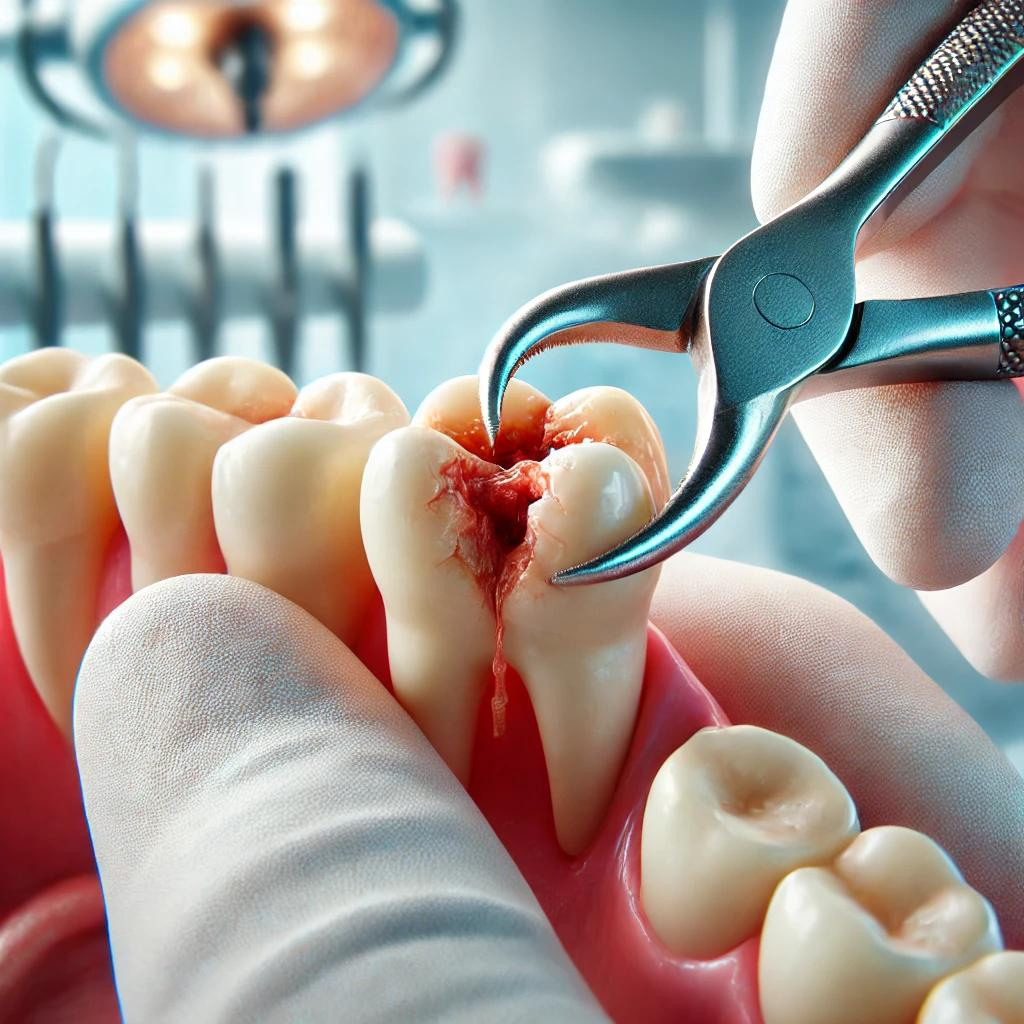
Decayed Wisdom Tooth Extraction Say Goodbye to Pain: Decayed Wisdom Tooth Extraction Explained Introduction Dealing with a decayed wisdom tooth can be an incredibly painful experience. Often tucked away at the back of the mouth, wisdom teeth are prone to decay due to their hard-to-reach location. When these teeth become problematic, extraction is often the best solution. In this blog, we’ll explore everything you need to know about decayed wisdom tooth extraction, so you can make an informed decision about your dental health.   What is Decayed Wisdom Tooth Extraction?A wisdom tooth extraction involves the removal of one or more of your third molars, commonly known as wisdom teeth, due to decay, infection, or other dental issues. These teeth, typically emerging between the ages of 17 and 25, often lack the space to grow properly, leading to a host of dental problems. When a wisdom tooth becomes decayed, extraction is usually recommended to prevent further damage to your oral health. How to Prepare for a Wisdom Tooth Extraction Consultation: Schedule a consultation with your dentist at Nalamm Dental Clinic to assess the condition of your wisdom teeth. X-rays: Your dentist will likely take X-rays to determine the position and severity of the decay. Procedure Planning: Depending on the complexity of the extraction, your dentist will discuss anesthesia options and post-operative care with you. Day of Surgery: On the day of your surgery, arrange for someone to drive you home, as the anesthesia can impair your ability to drive. Why is Wisdom Tooth Extraction Important? Prevents Spread of Infection: A decayed wisdom tooth can lead to infections that may spread to other areas of the mouth or even to other parts of the body. Alleviates Pain: Extraction can relieve the intense pain associated with an impacted or decayed wisdom tooth. Prevents Further Dental Issues: Removing a decayed wisdom tooth can prevent overcrowding, misalignment, and damage to adjacent teeth. Why Choose Nalamm Dental Clinic?At Nalamm Dental Clinic in Kumbakonam, we offer expert wisdom tooth extractions with a focus on patient comfort and care. Our experienced team uses the latest techniques and equipment to ensure a smooth and stress-free experience. From your initial consultation to post-operative care, we are committed to providing you with the highest standard of dental care.   Book Your Appointment Today! Don’t let a decayed wisdom tooth cause you unnecessary pain and discomfort. Schedule your appointment with Nalamm Dental Clinic today, and take the first step towards a healthier, pain-free smile.   Frequently Asked Questions Is wisdom tooth extraction painful? Most patients experience minimal discomfort during the procedure due to anesthesia. Post-operative pain can be managed with prescribed pain relievers.   How long is the recovery time? Recovery typically takes about a week. Following your dentist’s care instructions can help speed up the healing process.   What can I eat after the extraction? Stick to soft foods like soups, yogurt, and mashed potatoes for the first few days. Avoid hard, crunchy, or spicy foods that could irritate the extraction site.   How do I know if my wisdom tooth is decayed? Common signs of a decayed wisdom tooth include persistent pain, swelling, bad breath, and a foul taste in your mouth. A dental examination is necessary for a proper diagnosis.   Is wisdom tooth extraction a major surgery? Wisdom tooth extraction is typically a minor surgical procedure, especially if the tooth has fully emerged. However, if the tooth is impacted, the procedure may be more complex.   Can I avoid extraction if my wisdom tooth is decayed? In many cases, extraction is the best option for a decayed wisdom tooth, as leaving it untreated can lead to infections, pain, and damage to surrounding teeth.  

Top Smile Designing Services in Kumbakonam
Dental blog

Top Smile Designing Services in Kumbakonam

Top Smile Designing Services in Kumbakonam Achieve Your Perfect Smile with Top Smile Designing Services in Kumbakonam Introduction A beautiful smile can make a world of difference in how you feel and how others perceive you. At Nalamm Dental Clinic in Kumbakonam, we specialize in creating stunning smiles that boost confidence and enhance overall facial aesthetics. Our top smile designing services are tailored to meet the unique needs of each patient, ensuring the best possible results.   What is Smile Designing? Smile designing is a comprehensive dental treatment plan that combines various cosmetic dentistry procedures to improve the appearance of your teeth and gums. It involves a detailed analysis of your facial structure, dental alignment, and oral health to design a smile that perfectly complements your personality and facial features. How to Achieve the Perfect Smile Achieving the perfect smile involves several steps, starting with a thorough consultation and assessment by our experienced dentists. Here’s how the process typically works: Consultation: Discuss your smile goals and undergo a detailed dental examination. Smile Analysis: Using advanced technology, we analyze your facial structure, dental alignment, and gum line. Treatment Plan: We create a customized treatment plan that may include procedures like teeth whitening, veneers, orthodontics, and more. Execution: Our skilled team carries out the treatment plan with precision, ensuring natural-looking results. Final Touches: We make any necessary adjustments to ensure your smile is flawless. Why is Smile Designing Important? Smile designing is not just about aesthetics; it also plays a crucial role in improving oral health and functionality. Misaligned teeth, uneven gum lines, and other dental issues can lead to problems like difficulty in chewing, speech impairments, and even dental decay. Smile designing addresses these issues, providing both cosmetic and functional benefits. Why Choose Nalamm Dental Clinic? At Nalamm Dental Clinic, we are committed to providing top-notch smile designing services in Kumbakonam. Here’s why you should choose us: Personalized Care: We tailor each treatment plan to meet your specific needs and desires. Advanced Technology: We use state-of-the-art equipment to ensure precise results. Experienced Team: Our dentists have extensive experience in cosmetic dentistry and smile design. Comfortable Environment: We strive to create a relaxing and stress-free atmosphere for our patients.   Book Your Appointment Ready to transform your smile? Book an appointment with Nalamm Dental Clinic today and take the first step towards the smile of your dreams. Our team is here to guide you through every step of the process, ensuring you achieve the best possible results.   Frequently Asked Questions How long does the smile designing process take? The duration varies depending on the complexity of the treatment plan but generally ranges from a few weeks to a few months.   Is smile designing painful? Most procedures involved in smile designing are minimally invasive and cause little to no discomfort. We also offer sedation options for anxious patients.   Can smile designing fix crooked teeth? Yes, smile designing can address crooked teeth through orthodontics or veneers, depending on the severity of the misalignment.   How long do the results of smile designing last? With proper care, the results of smile designing can last for many years. Regular dental check-ups and good oral hygiene are essential to maintaining your new smile.   What is smile designing? Smile designing is a customized cosmetic dental treatment that enhances the appearance of your smile through various procedures such as teeth whitening, veneers, and orthodontics.   Are the results of smile designing natural-looking? Absolutely. Our goal is to enhance your smile in a way that looks natural and complements your facial features.  

HbA1c Test in Kumbakonam
Apollo

HbA1c Test in Kumbakonam

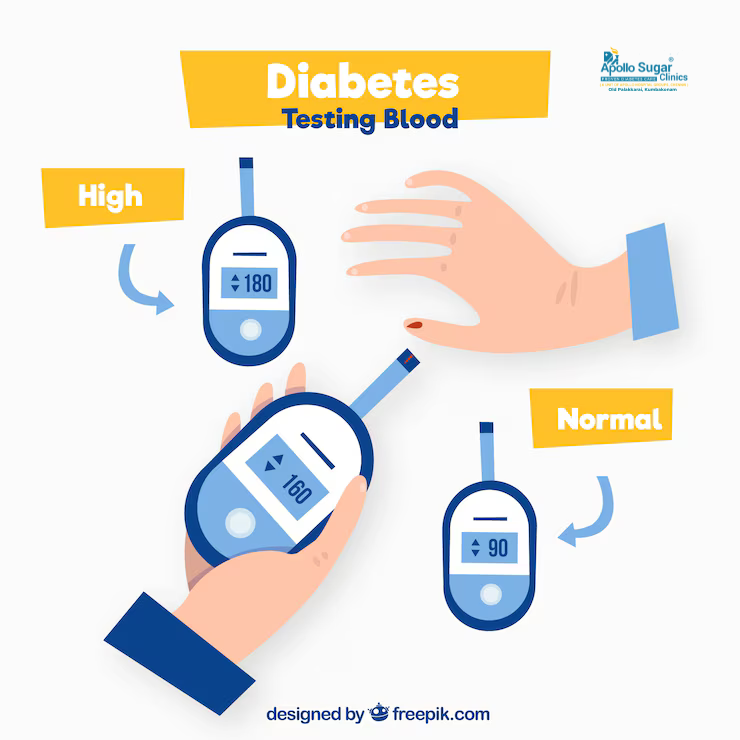
HbA1c Test in Kumbakonam Understanding the HbA1c Test: A Key Tool for Managing Diabetes in Kumbakonam Introduction Are you or a loved one managing diabetes in Kumbakonam? The HbA1c test is a vital tool in diabetes management, providing crucial insights into long-term blood sugar control. At Apollo Sugar Clinics in Kumbakonam, we specialize in comprehensive diabetes care, including the HbA1c test, to help you achieve and maintain healthy blood sugar levels.   What Is the HbA1c Test? The HbA1c test, also known as the glycated hemoglobin test, measures the average blood glucose levels over the past two to three months. This test provides a broader picture of your blood sugar control compared to daily glucose tests. Hemoglobin is a protein in red blood cells that carries oxygen. When glucose binds to hemoglobin, it forms glycated hemoglobin (HbA1c). The higher your blood sugar levels, the more HbA1c will be present in your blood. Why Is the HbA1c Test Important? The HbA1c test is essential because it gives a long-term view of your blood sugar levels, helping to identify trends and the effectiveness of your diabetes management plan. Consistently high HbA1c levels indicate poor blood sugar control, increasing the risk of complications such as heart disease, kidney damage, and nerve problems. Understanding Your HbA1c Results Normal Range: An HbA1c level below 5.7% is considered normal. Prediabetes: An HbA1c level between 5.7% and 6.4% indicates prediabetes, a condition where blood sugar levels are higher than normal but not yet high enough to be classified as diabetes. Diabetes: An HbA1c level of 6.5% or higher indicates diabetes. Benefits of Regular HbA1c Testing Long-Term Monitoring: Unlike daily blood glucose tests, the HbA1c test gives an average blood sugar level over several months, allowing for better monitoring and adjustments to your treatment plan. Personalized Treatment: Understanding your HbA1c levels helps your healthcare provider tailor your diabetes treatment, including medication adjustments, diet changes, and exercise recommendations. Early Detection of Complications: Regular HbA1c testing can help detect potential complications early, allowing for prompt intervention and better outcomes. How Often Should You Get an HbA1c Test? For most people with diabetes, it is recommended to have an HbA1c test every three months. However, your healthcare provider may suggest a different testing frequency based on your individual needs and how well your diabetes is being managed. Managing Diabetes with Apollo Sugar Clinics in Kumbakonam Comprehensive Assessment At Apollo Sugar Clinics in Kumbakonam, we begin your diabetes management journey with a thorough assessment. This includes an HbA1c test along with other diagnostic tests to understand your overall health and blood sugar control. Our expert healthcare professionals will review your medical history, lifestyle, and current treatment plan to tailor your care. Personalized Treatment Plan Based on your HbA1c results and overall assessment, we will develop a personalized treatment plan to manage your diabetes effectively. This may include dietary recommendations, medication adjustments, exercise plans, and regular monitoring of your blood sugar levels. Ongoing Support and Monitoring Managing diabetes is an ongoing process, and we are here to support you every step of the way. Regular follow-up appointments at Apollo Sugar Clinics in Kumbakonam ensure that your treatment plan is working effectively. We adjust your care plan as needed based on your HbA1c levels and overall health. Why Choose Apollo Sugar Clinics? Expertise in Diabetes Care: Our experienced healthcare professionals specialize in diabetes management, ensuring you receive the best care possible. Patient-Centered Approach: We focus on your individual needs, providing personalized care that addresses your specific concerns. Advanced Technology: We utilize the latest medical technology, including accurate HbA1c testing, to provide top-notch diabetes care. Comprehensive Services: From diagnostic testing to long-term management, we offer a full range of services to support your health and well-being.   BOOK YOUR APPOINTMENT TODAY! If you or a loved one needs an HbA1c test or comprehensive diabetes care, schedule a consultation with us at Apollo Sugar Clinics in Kumbakonam. Our team is dedicated to helping you manage your diabetes effectively and improve your quality of life.   Frequently Asked Questions 1. What is an HbA1c test? The HbA1c test measures your average blood sugar levels over the past two to three months. It reflects how well your diabetes is being managed by showing the percentage of glycated hemoglobin in your blood.   2. Why is the HbA1c test important for diabetes management? The HbA1c test provides a long-term view of your blood sugar levels, helping you and your healthcare provider understand the effectiveness of your diabetes management plan and identify any necessary adjustments.   3. How often should I take the HbA1c test? Most people with diabetes should take the HbA1c test every three months. However, if your blood sugar levels are stable, your doctor might recommend testing every six months.   4. What is considered a normal HbA1c level? An HbA1c level below 5.7% is considered normal. Levels between 5.7% and 6.4% indicate prediabetes, and levels of 6.5% or higher suggest diabetes.   5. Can the HbA1c test diagnose diabetes? Yes, an HbA1c level of 6.5% or higher on two separate tests can indicate diabetes. It’s also used to monitor and manage diabetes over time.   6. Do I need to fast before an HbA1c test? No, fasting is not required for the HbA1c test. You can take it at any time of the day, regardless of when you last ate.  

Early Signs of Diabetes
Apollo

Early Signs of Diabetes

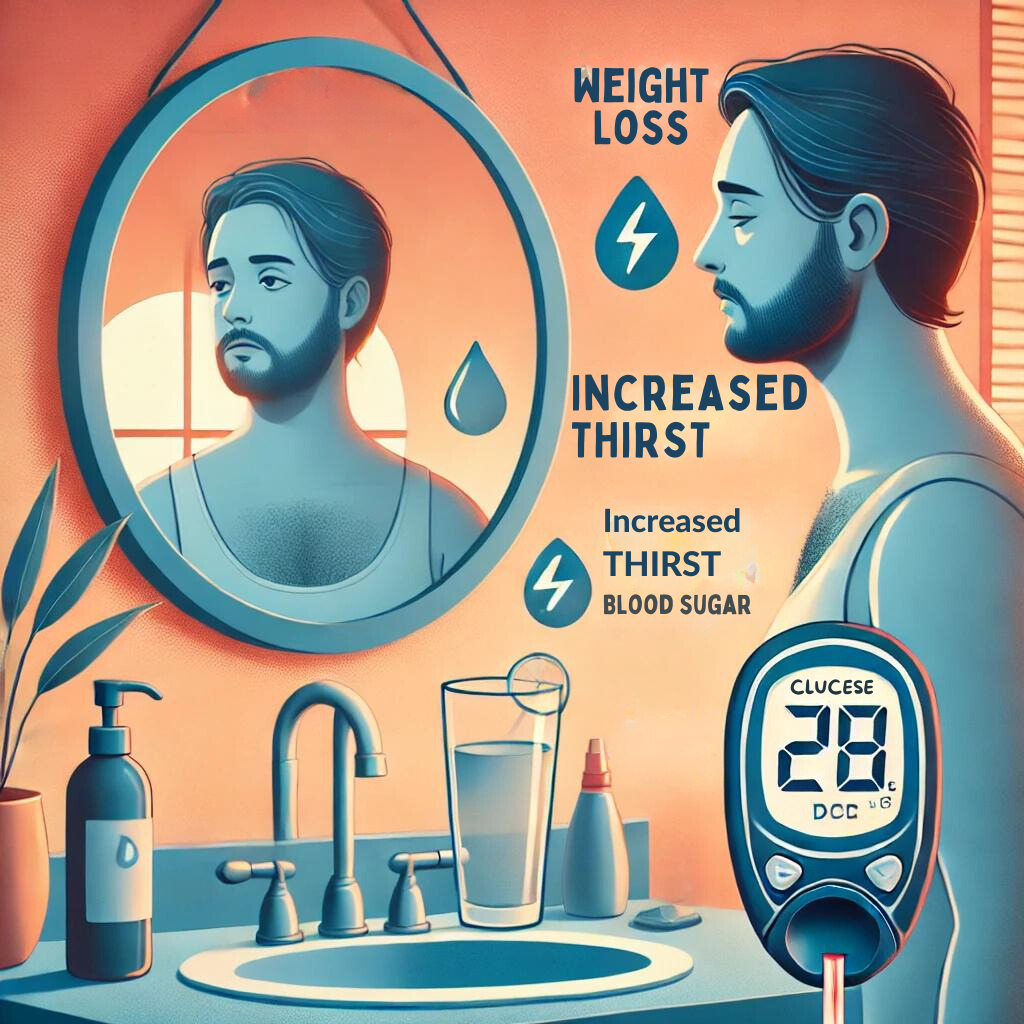
Early Signs of Diabetes Early Signs of Diabetes: Identifying the Warning Signals   Introduction Are you or a loved one noticing changes in your health that could be linked to diabetes? Identifying the early signs of diabetes is crucial for managing the condition and preventing complications. At Apollo Sugar Clinics, we specialize in providing comprehensive care and effective treatments for diabetes to help you live a healthy, balanced life.   Understanding Diabetes What Is Diabetes? Diabetes is a chronic health condition that occurs when your blood sugar (glucose) levels are too high. This happens either because your body doesn’t produce enough insulin (Type 1 Diabetes) or because your body doesn’t use insulin effectively (Type 2 Diabetes). Insulin is a hormone that helps glucose enter your cells to be used for energy. When glucose stays in your blood instead of entering your cells, it can lead to serious health problems. Symptoms of Early-Stage Diabetes Recognizing the early signs of diabetes can help you seek treatment before the condition worsens. Here are some of the common early symptoms: Increased Thirst (Polydipsia): You may feel unusually thirsty all the time, even after drinking fluids. Frequent Urination (Polyuria): You may need to urinate more often than usual, particularly at night. Unexplained Weight Loss: Despite eating normally, you may notice sudden weight loss without trying. Fatigue: You may feel excessively tired or fatigued, even after getting enough rest. Blurred Vision: High blood sugar levels can affect your vision, causing it to become blurry. Slow-Healing Wounds: Cuts, sores, or bruises may take longer to heal due to impaired blood circulation. Diabetes Management and Treatment Immediate Actions If you experience any of the early signs of diabetes, it’s important to take immediate action. Early diagnosis and treatment can prevent complications. Here are some steps you can take: Consult a Healthcare Professional: Schedule a visit to your doctor to discuss your symptoms and undergo necessary tests. Monitor Your Blood Sugar: Regularly checking your blood glucose levels can help you keep track of your condition. Adopt a Healthy Diet: Focus on a balanced diet that is low in sugar and high in fiber, fruits, and vegetables. Long-Term Management Managing diabetes in the long term involves making lifestyle changes and monitoring your health closely: Medication: Depending on the type of diabetes, your doctor may prescribe insulin or other medications to help control your blood sugar levels. Regular Exercise: Physical activity helps your body use insulin more effectively, lowering blood sugar levels. Routine Health Checkups: Regular visits to your healthcare provider are essential to monitor your condition and adjust your treatment plan as needed. Our Approach to Diabetes Treatment at Apollo Sugar Clinics Comprehensive Assessment During your initial visit, our experienced healthcare professionals will conduct a thorough assessment to understand your medical history, current health status, and specific needs. This may include blood tests, physical exams, and lifestyle evaluations. Personalized Treatment Plan Based on your assessment, we will develop a personalized treatment plan tailored to your unique needs. This plan may include medication, dietary changes, exercise recommendations, and continuous monitoring. Ongoing Support and Monitoring We provide continuous support and monitoring to ensure your treatment plan is effective. Regular follow-up appointments and consultations help us track your progress, make necessary adjustments, and provide guidance to manage your diabetes effectively. Why Choose Apollo Sugar Clinics? Expertise and Experience: Our team of skilled healthcare professionals specializes in diabetes management, ensuring you receive the best care possible. Patient-Centered Care: Your comfort and well-being are our top priorities. We strive to provide personalized care that addresses your specific needs and concerns. Advanced Technology: We use the latest medical technology and equipment to provide accurate diagnoses and effective treatments. Comprehensive Services: In addition to diabetes treatment, we offer a wide range of care services to support your overall health.   BOOK YOUR APPOINTMENT TODAY!   If you or a loved one is experiencing symptoms of diabetes, schedule a consultation with us at Apollo Sugar Clinics. Our friendly and knowledgeable staff is here to help you achieve stable blood sugar levels and improve your quality of life.   F.A.Q 1. What is diabetes? Diabetes is a chronic condition where the body either doesn’t produce enough insulin or can’t effectively use the insulin it produces. This leads to elevated blood glucose (sugar) levels, which can cause various health issues.   2. What are the common symptoms of diabetes? Common symptoms include increased thirst, frequent urination, unexplained weight loss, fatigue, blurred vision, and slow-healing wounds. Some people may also experience frequent infections or numbness in the hands and feet.   3. What are the types of diabetes? Type 1 Diabetes: The body does not produce insulin. It typically develops in children and young adults. Type 2 Diabetes: The body doesn’t use insulin properly, and it is more common in adults. Gestational Diabetes: Develops during pregnancy and usually disappears after giving birth but may increase the risk of developing Type 2 diabetes later. 4. What causes diabetes? The exact cause of Type 1 diabetes is unknown, but it involves an autoimmune reaction. Type 2 diabetes is linked to lifestyle factors like obesity, poor diet, and lack of physical activity, as well as genetic factors. Gestational diabetes is triggered by hormonal changes during pregnancy.   5. How is diabetes diagnosed? Diabetes is diagnosed through blood tests that measure your blood sugar levels. Common tests include the fasting blood sugar test, HbA1c test, and the oral glucose tolerance test.   6. Can diabetes be prevented? Type 1 diabetes cannot be prevented. However, Type 2 diabetes can often be prevented or delayed with a healthy lifestyle that includes a balanced diet, regular physical activity, and maintaining a healthy weight.  

Scroll to Top