Smile Teeth Straightening
Dental blog

Smile Teeth Straightening

Smile Teeth Straightening Discover the Benefits of Smile Teeth Straightening Introduction A beautiful, straight smile can significantly enhance your appearance and boost your confidence. Teeth straightening treatments have come a long way, offering various solutions to achieve that perfect smile. Let’s dive into the world of smile teeth straightening and explore its benefits and options.   What is Smile Teeth Straightening? Smile teeth straightening involves orthodontic treatments designed to correct misaligned teeth and jaws. This process not only improves the aesthetic appearance of your smile but also enhances oral health by making it easier to clean and maintain your teeth. How to Achieve a Straight Smile Achieving a straight smile can be accomplished through various orthodontic treatments: Traditional Braces: Metal brackets and wires that gradually move teeth into alignment. Ceramic Braces: Similar to traditional braces but made of clear or tooth-colored materials for a less noticeable appearance. Clear Aligners: Removable, clear plastic trays that are custom-made to fit your teeth and gradually shift them into place. Lingual Braces: Braces placed on the inside of the teeth, making them invisible from the outside. Why is Smile Teeth Straightening Important? Straightening your teeth offers several benefits: Improved Oral Health: Aligned teeth are easier to clean, reducing the risk of cavities and gum disease. Enhanced Appearance: A straight smile boosts your confidence and improves your overall appearance. Better Functionality: Correcting bite issues can improve chewing and speaking functions. Prevents Dental Issues: Proper alignment can prevent wear and tear on teeth and reduce the risk of jaw pain and other dental problems. Why Choose Our Clinic for Smile Teeth Straightening? At our clinic, we are dedicated to providing personalized orthodontic care tailored to your needs. Our experienced team uses the latest technology and techniques to ensure the best results for your smile.   Book Your Appointment Ready to achieve a beautiful, straight smile? Schedule a consultation with our expert team today and take the first step towards a healthier, more confident you.   Frequently Asked Questions Q: How long does teeth straightening take? A: The duration of treatment varies depending on the severity of misalignment and the type of treatment chosen. On average, it can take anywhere from 6 months to 2 years.   Q: Are clear aligners as effective as braces? A: Clear aligners are effective for mild to moderate alignment issues. For severe cases, traditional braces might be more suitable.   Q: Is teeth straightening painful? A: Some discomfort is normal as your teeth move into their new positions, but it is usually manageable with over-the-counter pain relief.   Q: How often do I need to visit the dentist during treatment? A: Regular check-ups every 4-6 weeks are typically required to monitor progress and make any necessary adjustments.  

Best Food for Diabetes Control
Apollo

Best Food for Diabetes Control

Best Food for Diabetes Control Top Foods to Manage and Control Diabetes Effectively Introduction Managing diabetes effectively involves more than just medication and regular check-ups; it’s also about making smart dietary choices. Consuming the right foods can help control blood sugar levels, maintain a healthy weight, and prevent complications. Here, we’ll explore some of the best foods for diabetes control that you can incorporate into your daily diet.   Non-Starchy Vegetables Non-starchy vegetables are low in calories and carbohydrates, making them an excellent choice for diabetes management. They are rich in vitamins, minerals, and fiber, which help in maintaining blood sugar levels. Leafy Greens: Spinach, kale, and Swiss chard are nutrient-dense and have minimal impact on blood sugar. Cruciferous Vegetables: Broccoli, cauliflower, and Brussels sprouts are high in fiber and antioxidants. Bell Peppers: These are low in carbs and high in vitamins A and C. Whole Grains Unlike refined grains, whole grains contain the entire grain kernel, providing more fiber, vitamins, and minerals. They have a lower glycemic index, meaning they cause a slower rise in blood sugar levels. Oats: A good source of soluble fiber that can help control blood sugar. Quinoa: Rich in protein and fiber, making it a great substitute for refined grains. Brown Rice: Contains more fiber and nutrients compared to white rice. Lean Proteins Protein is essential for muscle repair and overall health. Choosing lean protein sources can help manage weight and blood sugar levels. Chicken and Turkey: Skinless poultry is lower in fat and calories. Fish: Fatty fish like salmon, mackerel, and sardines are high in omega-3 fatty acids, which are beneficial for heart health. Legumes: Beans, lentils, and chickpeas are high in protein and fiber, making them great meat substitutes. Healthy Fats Healthy fats can improve insulin sensitivity and provide long-lasting energy. It’s important to choose unsaturated fats over saturated and trans fats. Avocado: Packed with monounsaturated fats and fiber. Nuts and Seeds: Almonds, walnuts, chia seeds, and flaxseeds are excellent sources of healthy fats and protein. Olive Oil: A heart-healthy oil that can be used in cooking and dressings. Fruits While some fruits are high in sugar, others have a lower glycemic index and can be enjoyed in moderation. They provide essential vitamins, minerals, and fiber. Berries: Strawberries, blueberries, and raspberries are low in sugar and high in fiber. Citrus Fruits: Oranges, lemons, and grapefruits are high in vitamin C and fiber. Apples: Contain soluble fiber and can be eaten with the skin for added nutrients. Dairy Choosing low-fat or non-fat dairy products can help reduce calorie intake while providing important nutrients like calcium and vitamin D. Greek Yogurt: High in protein and probiotics, which are good for gut health. Cottage Cheese: A low-fat option that’s high in protein. Milk: Opt for low-fat or skim milk to reduce calorie and fat intake. Incorporating These Foods into Your Diet Incorporating these diabetes-friendly foods into your diet doesn’t have to be complicated. Here are some tips to help you get started: Meal Planning: Plan your meals ahead of time to ensure they include a balance of carbohydrates, proteins, and fats. Portion Control: Be mindful of portion sizes to avoid overeating. Healthy Snacks: Choose healthy snacks like nuts, seeds, and fresh vegetables to keep blood sugar levels stable between meals. Cooking Methods: Opt for grilling, baking, or steaming instead of frying to reduce unhealthy fat intake.   Conclusion Eating a balanced diet rich in non-starchy vegetables, whole grains, lean proteins, healthy fats, fruits, and low-fat dairy can help manage diabetes effectively. At Apollo Sugar Clinics, we are dedicated to providing comprehensive care and support to help you maintain a healthy lifestyle. Incorporate these foods into your daily routine to take control of your diabetes and improve your overall health. F.A.Q 1. What are the best foods to eat for managing diabetes? Foods that are low in carbohydrates and high in fiber, vitamins, and minerals are ideal for managing diabetes. Some of the best options include: Non-Starchy Vegetables: Spinach, kale, broccoli, bell peppers. Whole Grains: Quinoa, brown rice, oats. Lean Proteins: Skinless chicken, fish, legumes. Healthy Fats: Avocados, nuts, seeds, olive oil. Low-Glycemic Fruits: Berries, citrus fruits, apples. Low-Fat Dairy: Greek yogurt, cottage cheese, low-fat milk.   2. How do whole grains help in managing diabetes? Whole grains have a lower glycemic index compared to refined grains, which means they cause a slower rise in blood sugar levels. They are also rich in fiber, which helps improve digestion and keeps you feeling full longer, aiding in weight management.   3. Can I eat fruits if I have diabetes? Yes, you can eat fruits, but it’s important to choose low-glycemic options that won’t spike your blood sugar levels. Berries, citrus fruits, and apples are good choices. Always consume fruits in moderation and monitor your blood sugar levels to see how they affect you.   4. Why are lean proteins recommended for diabetes management? Lean proteins are low in unhealthy fats and help in building and repairing tissues without causing significant blood sugar spikes. They also help keep you full longer, which can prevent overeating and help maintain a healthy weight.   5. What are healthy fats, and why are they important for diabetes management? Healthy fats, such as those found in avocados, nuts, seeds, and olive oil, can improve insulin sensitivity and provide long-lasting energy. They help reduce inflammation and lower the risk of heart disease, which is important for people with diabetes.   6. How can I incorporate these diabetes-friendly foods into my diet? Meal Planning: Prepare meals ahead of time to ensure a balanced intake of nutrients. Portion Control: Be mindful of portion sizes to avoid overeating. Healthy Snacks: Choose snacks like nuts, seeds, and fresh vegetables. Cooking Methods: Use healthier cooking methods like grilling, baking, or steaming instead of frying.

Best Endodontist Doctors in Kumbakonam
Dental blog

Best Endodontist Doctors in Kumbakonam

Best Endodontist Doctors in Kumbakonam Finding the Best Endodontist in Kumbakonam Introduction Endodontic treatment, commonly known as root canal therapy, is essential for saving teeth that would otherwise be lost due to severe decay or infection. Finding a skilled endodontist can make all the difference in ensuring successful treatment and preserving your dental health. This blog will guide you on how to find the best endodontist in Kumbakonam and why choosing an experienced specialist is crucial for your oral health. Understanding Endodontics What is Endodontics? Endodontics is a specialized branch of dentistry focused on diagnosing and treating issues related to the dental pulp and the tissues surrounding the root of a tooth. The most common procedure performed by endodontists is root canal therapy, which involves removing the infected or damaged pulp, cleaning and shaping the root canals, and filling them to prevent further infection. Why Might You Need an Endodontist? You may need to see an endodontist if you experience severe tooth pain, prolonged sensitivity to heat or cold, tenderness when chewing, or swelling around a tooth. These symptoms often indicate an infection or damage that requires specialized care beyond general dentistry. Criteria for Choosing the Best Endodontist 1. Credentials and Experience Look for endodontists who have advanced training and certifications from recognized institutions. Experience is a significant factor; an endodontist with many years of practice is likely to have encountered a wide range of cases and honed their skills. 2. Patient Reviews and Testimonials Check online reviews and testimonials from previous patients. Positive feedback regarding successful treatments and patient care can give you confidence in the endodontist’s abilities. 3. Modern Technology and Techniques The best endodontists use state-of-the-art technology, such as digital imaging and operating microscopes, to ensure precise and effective treatment. Advanced techniques can enhance the success rate and comfort of the procedure. 4. Personalized Care A good endodontist takes the time to explain the procedure, answer your questions, and provide personalized care tailored to your specific needs. They should make you feel comfortable and informed throughout the treatment process. Why Choose Our Clinic At our clinic, we pride ourselves on having a team of highly skilled and experienced endodontists. Our specialists are committed to providing top-notch care using the latest technology and techniques. We understand the anxiety that often accompanies dental procedures and strive to create a comfortable and supportive environment for all our patients. Benefits of Choosing a Skilled Endodontist High Success Rate: An experienced endodontist increases the likelihood of a successful root canal treatment, saving your natural tooth and avoiding the need for extraction. Reduced Pain and Discomfort: Advanced techniques and anesthetics ensure that the procedure is as pain-free as possible. Long-term Oral Health: Proper endodontic treatment can prevent further dental issues and contribute to overall oral health and well-being. Conclusion Finding the best endodontist in Kumbakonam is crucial for ensuring the success of your root canal treatment and maintaining your oral health. By considering factors such as credentials, patient reviews, technology, and personalized care, you can make an informed decision. At our clinic, we are dedicated to providing exceptional endodontic care and helping our patients achieve optimal dental health. Frequently Asked Questions Q1: How long does a root canal procedure take? A: The duration of a root canal procedure can vary depending on the complexity of the case, but it typically takes one to two hours.   Q2: Is a root canal procedure painful? A: With modern anesthetics and techniques, most patients report that a root canal is no more painful than having a cavity filled.   Q3: How do I know if I need a root canal? A: Symptoms such as severe tooth pain, prolonged sensitivity, swelling, and tenderness may indicate the need for a root canal. Your dentist will perform an examination and recommend the appropriate treatment.   Q4: How can I care for my tooth after a root canal? A: After a root canal, it’s important to maintain good oral hygiene, avoid chewing on hard foods, and follow your dentist’s instructions for follow-up care.  

Reverse Diabetes Treatment in Kumbakonam
Apollo

Reverse Diabetes Treatment in Kumbakonam

Reverse Diabetes Treatment in Kumbakonam Discover effective reverse diabetes treatment in Kumbakonam. Achieve stable blood sugar levels and improve your quality of life with our expert care.     Introduction Managing diabetes is crucial for maintaining overall health and well-being. At our clinic in Kumbakonam, we specialize in providing comprehensive care and effective treatments to help you live a healthy, balanced life. What Is Reverse Diabetes? Reverse diabetes refers to the significant reduction of blood sugar levels to a non-diabetic range without the need for medication. It involves lifestyle changes and medical interventions aimed at restoring normal blood glucose levels. This process can greatly improve the quality of life and reduce the risk of diabetes-related complications. Symptoms of Diabetes Frequent Urination: Increased need to urinate, especially at night. Excessive Thirst: Constantly feeling thirsty despite drinking fluids. Fatigue: Persistent tiredness and lack of energy. Blurred Vision: Vision changes due to fluctuating blood sugar levels. Slow Healing: Wounds and infections that take longer to heal. Reverse Diabetes Treatments Immediate Treatments If you experience symptoms of diabetes, immediate action is required to manage it. Here are some quick treatments: Blood Sugar Monitoring: Regularly check your blood sugar levels to stay informed. Medication Adjustment: Consult with your healthcare provider to adjust medications as needed. Dietary Changes: Reduce sugar and carbohydrate intake to manage blood glucose levels. Long-Term Management Long-term management of diabetes involves understanding the underlying cause and making necessary lifestyle adjustments: Healthy Diet: Focus on a balanced diet rich in vegetables, lean proteins, and whole grains. Regular Exercise: Engage in physical activities like walking, swimming, or cycling to improve insulin sensitivity. Weight Management: Achieve and maintain a healthy weight to reduce the burden on your body’s insulin production. Stress Reduction: Practice mindfulness, meditation, or yoga to lower stress levels, which can affect blood sugar. Our Approach to Reverse Diabetes Treatment in Kumbakonam Comprehensive Assessment During your initial visit, our experienced healthcare professionals will conduct a thorough assessment to understand your medical history, current health status, and specific needs. This may include blood tests, physical exams, and lifestyle evaluations. Personalized Treatment Plan Based on your assessment, we will develop a personalized treatment plan tailored to your unique needs. This plan may include dietary guidance, exercise recommendations, medication adjustments, and stress management techniques. Ongoing Support and Monitoring We provide continuous support and monitoring to ensure your treatment plan is effective. Regular follow-up appointments and consultations help us track your progress, make necessary adjustments, and provide guidance to manage your condition effectively. Why Choose Our Clinic for Diabetes Treatment? Expertise and Experience: Our team of skilled healthcare professionals specializes in diabetes management, ensuring you receive the best care possible. Patient-Centered Care: Your comfort and well-being are our top priorities. We strive to provide personalized care that addresses your specific needs and concerns. Advanced Technology: We use the latest medical technology and equipment to provide accurate diagnoses and effective treatments. Comprehensive Services: In addition to diabetes treatment, we offer a wide range of services to support your overall health.   BOOK YOUR APPOINTMENT TODAY!   If you or a loved one is experiencing symptoms of diabetes, schedule a consultation with us at our clinic in Kumbakonam. Our friendly and knowledgeable staff is here to help you achieve stable blood sugar levels and improve your quality of life.   F.A.Q 1. What is reverse diabetes? Reverse diabetes refers to the process of reducing blood sugar levels to a non-diabetic range without the need for medication. This is achieved through lifestyle changes and medical interventions aimed at restoring normal blood glucose levels.   2. Can diabetes be completely cured? While there is no cure for diabetes, it can be effectively managed and even reversed to a non-diabetic state through lifestyle changes, weight management, and medical interventions. This can significantly improve quality of life and reduce the risk of complications.   3. What are the primary symptoms of diabetes? Common symptoms of diabetes include frequent urination, excessive thirst, unexplained weight loss, fatigue, and blurred vision. If you experience any of these symptoms, it’s important to seek medical advice.   4. How can diet help in reversing diabetes? A healthy diet can significantly impact blood sugar levels. Focusing on a balanced diet rich in vegetables, lean proteins, and whole grains while reducing sugar and carbohydrate intake can help manage and reverse diabetes.   5. What types of exercises are recommended for managing diabetes? Regular physical activities such as walking, swimming, cycling, and strength training can improve insulin sensitivity and help manage blood sugar levels effectively.  

Dental Extraction Near me
Dental blog

Dental Extraction Near me

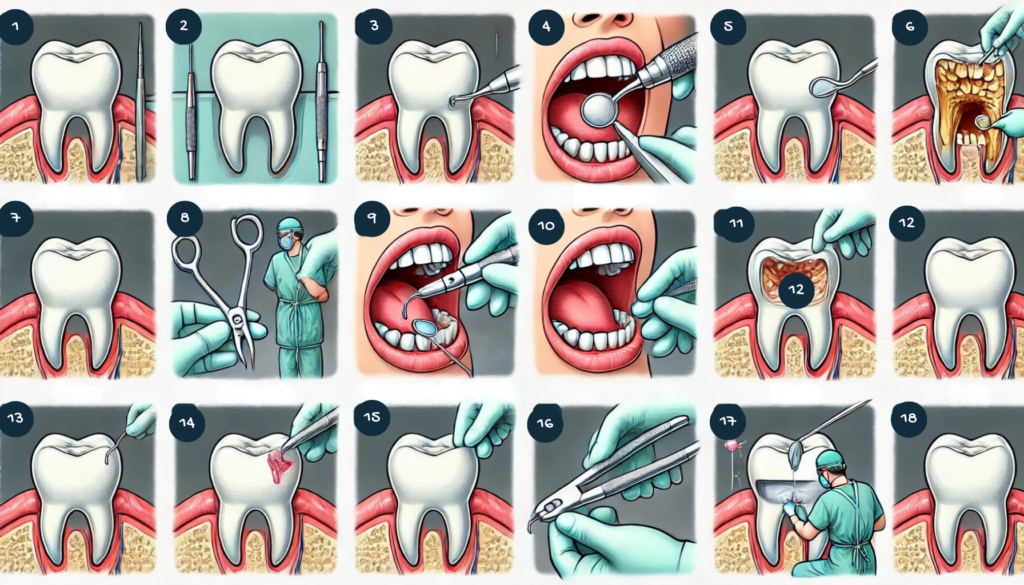
Dental Extraction Near me Understanding Dental Extractions: A Comprehensive Guide Introduction Dental extractions can be a daunting thought, but they are often necessary to maintain optimal oral health. This guide provides an in-depth look at what dental extractions entail, the process involved, and why they might be needed. What is a Dental Extraction? A dental extraction is a procedure where a tooth is removed from its socket in the bone. This might be necessary due to various reasons, such as severe tooth decay, gum disease, or trauma. While it sounds intimidating, modern dentistry ensures that the process is as painless and efficient as possible. How to Prepare for a Dental Extraction Preparation for a dental extraction involves several steps to ensure the procedure goes smoothly and recovery is swift. Here’s how to get ready: Consultation: Visit your dentist to discuss the need for an extraction and explore alternative treatments. Medical History: Provide a comprehensive medical history, including any medications you are taking, to prevent complications. Pre-Procedure Instructions: Follow any instructions provided by your dentist, such as fasting before the procedure if sedation is planned. Post-Procedure Plan: Arrange for transportation home and have a post-procedure care plan in place. The Dental Extraction Process Understanding the extraction process can alleviate much of the anxiety associated with it. Here’s what typically happens: Anesthesia: Local anesthesia is administered to numb the area around the tooth. Loosening the Tooth: The dentist uses special tools to loosen the tooth from the socket. Removal: The tooth is carefully extracted. Post-Extraction Care: Gauze is placed to control bleeding, and instructions are given to aid recovery. Why Dental Extractions are Important Dental extractions play a crucial role in maintaining oral health for several reasons: Prevent Infection: Severely decayed teeth can cause infections that may spread to other areas. Alleviate Pain: Removing problematic teeth can relieve pain and discomfort. Prevent Crowding: Extractions can prevent overcrowding and align the teeth properly, especially in orthodontic cases. Maintain Oral Health: Sometimes, removing a tooth is necessary to maintain the overall health of the mouth. Why Choose Our Clinic for Dental Extractions? At our clinic, we prioritize patient comfort and care. Our experienced team uses the latest techniques and equipment to ensure your extraction procedure is as pain-free and efficient as possible. We are committed to providing top-quality dental care tailored to your individual needs.   Conclusion Don’t let dental problems compromise your health. Schedule an appointment today to discuss if a dental extraction is right for you. Frequently Asked Questions Q: Will the extraction be painful? A: The procedure is performed under local anesthesia, so you should not feel pain during the extraction. Some discomfort may occur post-procedure, but this can be managed with prescribed pain relief.   Q: How long does recovery take? A: Recovery time varies, but most patients feel back to normal within a few days. Following post-care instructions is crucial for a swift recovery.   Q: Are there any risks involved? A: As with any medical procedure, there are risks, but complications are rare. Your dentist will discuss these with you before the procedure.   Q: What can I eat after the extraction? A: Soft foods and liquids are recommended immediately after the extraction. Gradually reintroduce solid foods as you heal.  

Diabetic Neuropathy Symptoms
Apollo

Diabetic Neuropathy Symptoms

Diabetic Neuropathy Symptoms Diabetic Neuropathy Symptoms in Kumbakonam: A Comprehensive Guide   Introduction Living with diabetes requires constant management and awareness of potential complications. One such complication is diabetic neuropathy, a condition that affects the nerves and can lead to significant discomfort and health issues. Understanding its symptoms is crucial for timely intervention and management. Understanding Diabetic Neuropathy What Is Diabetic Neuropathy? Diabetic neuropathy is a type of nerve damage that occurs due to prolonged high blood sugar levels. This condition can impact various parts of the body, with symptoms ranging from mild to severe. The nerves in the legs and feet are most commonly affected, but it can also damage nerves in the digestive system, urinary tract, blood vessels, and heart. Common Symptoms of Diabetic Neuropathy Numbness and Tingling: Many individuals experience a loss of sensation or a tingling feeling, particularly in the extremities such as feet and hands. Pain and Burning Sensations: Sharp, jabbing pain or a burning sensation is a frequent symptom, often worsening at night. Muscle Weakness: Nerve damage can lead to muscle weakness, affecting mobility and coordination. Sensitivity to Touch: Increased sensitivity to touch can make even the lightest contact painful. Digestive Issues: Neuropathy affecting the digestive system may cause nausea, vomiting, diarrhea, or constipation. Dizziness and Balance Problems: Nerve damage affecting blood pressure can lead to dizziness and balance issues, increasing the risk of falls. Urinary Problems: Difficulty emptying the bladder completely or incontinence can occur due to nerve damage affecting the urinary tract. Managing Diabetic Neuropathy Immediate Treatments If you suspect you have symptoms of diabetic neuropathy, it is essential to seek medical advice promptly. Here are some immediate steps you can take: Maintain Blood Sugar Levels: Keeping blood sugar levels within the target range can prevent further nerve damage. Pain Management: Over-the-counter pain relievers, prescribed medications, or topical treatments can help manage pain. Long-Term Management Effective long-term management of diabetic neuropathy involves a combination of medical treatment and lifestyle adjustments: Regular Monitoring: Routine check-ups with your healthcare provider to monitor your condition and adjust treatment plans as necessary. Healthy Diet and Exercise: A balanced diet and regular physical activity can improve blood sugar control and overall health. Foot Care: Proper foot care, including regular inspections and wearing comfortable shoes, is crucial to prevent complications. Personalized Care in Kumbakonam At our clinic in Kumbakonam, we offer comprehensive care for diabetic neuropathy. Our approach includes: Thorough Assessment Our healthcare professionals conduct detailed assessments to understand the extent of nerve damage and its impact on your health. This includes nerve conduction studies and physical examinations. Customized Treatment Plans Based on the assessment, we create personalized treatment plans that address your specific needs. These plans may include medication management, physical therapy, and dietary recommendations. Continuous Support We provide ongoing support to help you manage your condition effectively. Regular follow-ups and consultations ensure that your treatment plan is working and any necessary adjustments are made promptly.   Conclusion Managing diabetic neuropathy is crucial for maintaining your quality of life. Recognizing the symptoms and seeking timely medical care can make a significant difference. Our clinic in Kumbakonam is dedicated to providing specialized care and support for individuals dealing with diabetic neuropathy, helping you achieve better health outcomes.   F.A.Q What is diabetic neuropathy? Diabetic neuropathy is a type of nerve damage that occurs in people with diabetes. It can affect various parts of the body, most commonly the nerves in the legs and feet.   What causes diabetic neuropathy? Diabetic neuropathy is caused by prolonged high blood sugar levels, which can damage nerves over time. Other factors, such as high cholesterol, high blood pressure, and smoking, can also contribute to nerve damage.   What are the symptoms of diabetic neuropathy? Numbness and tingling: Especially in the hands and feet. Pain and burning sensations: Sharp, jabbing pains or burning sensations, often worse at night. Muscle weakness: Leading to mobility and coordination issues. Increased sensitivity to touch: Even light touch can cause pain. Digestive problems: Nausea, vomiting, diarrhea, or constipation. Dizziness and balance issues: Particularly when standing up quickly. Urinary problems: Difficulty emptying the bladder completely or incontinence. How is diabetic neuropathy diagnosed? Diabetic neuropathy is diagnosed through a combination of medical history, physical examination, and specific tests such as nerve conduction studies and electromyography (EMG) to assess nerve function.   Can diabetic neuropathy be reversed? While nerve damage from diabetic neuropathy cannot usually be reversed, proper management of blood sugar levels and other treatments can help manage symptoms and prevent further damage.   What treatments are available for diabetic neuropathy? Medications: To manage pain and other symptoms. Physical therapy: To improve strength and mobility. Lifestyle changes: Such as maintaining a healthy diet, regular exercise, and proper foot care. Alternative therapies: Such as acupuncture or biofeedback.

Best Dental clinics Hospitals in Kumbakonam
Dental blog

Best Dental clinics Hospitals in Kumbakonam

Best Dental clinics Hospitals in Kumbakonam Discover the Best Dental Clinics and Hospitals in Kumbakonam Introduction Kumbakonam, a city known for its rich cultural heritage and ancient temples, is also home to some of the finest dental clinics and hospitals. These institutions offer comprehensive dental care, ensuring that the residents and visitors maintain optimal oral health. What Makes a Dental Clinic the Best? When looking for the best dental clinics and hospitals in Kumbakonam, several factors come into play. Quality of care, expertise of the dental professionals, advanced technology, and patient satisfaction are key indicators of a top-notch dental facility. Key Features of Leading Dental Clinics in Kumbakonam 1. Experienced Dental Professionals Top dental clinics in Kumbakonam boast highly qualified and experienced dentists. These professionals are skilled in various dental specialties, ensuring that patients receive expert care for all their dental needs. 2. State-of-the-Art Technology The best clinics are equipped with the latest dental technology, including digital X-rays, intraoral cameras, and advanced sterilization techniques. This ensures accurate diagnoses and effective treatments. 3. Comprehensive Dental Services From routine cleanings to complex procedures like dental implants and orthodontics, leading clinics offer a wide range of services. This ensures that patients can get all their dental needs met under one roof. 4. Patient-Centered Care Top dental clinics prioritize patient comfort and satisfaction. They provide personalized care plans, ensuring that each patient receives treatment tailored to their specific needs. Why Dental Health is Important Maintaining good oral health is crucial for overall well-being. Poor dental health can lead to various health issues, including heart disease, diabetes, and infections. Regular dental check-ups and proper oral hygiene are essential in preventing these problems. Our Commitment to Excellence At Nalamm Dental Clinic, we pride ourselves on offering the highest standard of dental care in Kumbakonam. Our team of dedicated professionals is committed to ensuring that every patient leaves with a healthy, beautiful smile.   Book Your Appointment Today Taking care of your oral health is just a phone call away. Schedule your appointment today and experience the best dental care Kumbakonam has to offer.     Frequently Asked Questions Q: How often should I visit a dentist? A: It is recommended to visit a dentist every six months for routine check-ups and cleanings.   Q: What should I do if I have a dental emergency? A: Contact your dentist immediately. Most dental clinics offer emergency services to address urgent dental issues.   Q: Are dental X-rays safe? A: Yes, dental X-rays are safe. They use low levels of radiation and are crucial for diagnosing dental problems.   Q: How can I improve my oral hygiene at home? A: Brush twice a day with fluoride toothpaste, floss daily, and limit sugary foods and drinks.  

Top Diabetes Doctor Near me in Kumbakonam
Apollo

Top Diabetes Doctor Near me in Kumbakonam

Top Diabetes Doctor Near me in Kumbakonam Discovering the Best Diabetes Doctor in Kumbakonam   Introduction Managing diabetes effectively requires expert guidance and care. Finding the best diabetes doctor near you can significantly impact your health journey. If you’re located in Kumbakonam and seeking top-notch diabetic care, this guide will help you understand what to look for and the advantages of having a skilled diabetes specialist by your side.   Importance of a Diabetes Specialist Expertise in Diabetes Management A diabetes specialist, or diabetologist, has extensive training and experience in managing diabetes. They understand the complexities of the condition and are equipped to provide personalized care tailored to your specific needs. Comprehensive Care Diabetes management is not just about monitoring blood sugar levels; it involves a holistic approach that includes diet, exercise, medication, and regular check-ups. A dedicated diabetes doctor ensures that all aspects of your health are considered and managed effectively. What to Look for in a Diabetes Doctor Qualifications and Experience Ensure that the doctor is board-certified in endocrinology or diabetology. Experience in treating various types of diabetes, including Type 1, Type 2, and gestational diabetes, is crucial. Patient-Centered Approach A good diabetes doctor will take the time to understand your lifestyle, preferences, and challenges. They should be approachable, empathetic, and committed to helping you achieve your health goals. Accessibility and Convenience Proximity to your home and availability for regular appointments are important factors. Choose a doctor who is easily accessible and has a convenient appointment schedule. Benefits of Consulting a Top Diabetes Doctor in Kumbakonam Personalized Treatment Plans Each individual’s experience with diabetes is unique. A top diabetes doctor will create a personalized treatment plan that addresses your specific health needs, including medication, diet, and exercise recommendations. Advanced Diagnostic and Treatment Techniques Access to advanced diagnostic tools and the latest treatment options can make a significant difference in managing your diabetes. The best doctors stay updated with the latest medical advancements to provide you with the best care possible. Continuous Monitoring and Support Effective diabetes management requires continuous monitoring and adjustments. A skilled diabetes doctor provides ongoing support, regular follow-ups, and timely adjustments to your treatment plan to ensure optimal health outcomes. Why Choose Us? Expertise and Experience At our clinic, we pride ourselves on having a team of highly qualified diabetes specialists with years of experience in managing various forms of diabetes. Our focus is on providing comprehensive and personalized care to each patient. Holistic Approach to Diabetes Care We believe in a holistic approach to diabetes care, considering all aspects of your health. Our team works closely with you to develop a treatment plan that includes dietary advice, exercise routines, and medication management, ensuring that you achieve and maintain optimal health.   Conclusion Living with diabetes requires ongoing care and attention, and having the right doctor by your side can make all the difference. If you’re in Kumbakonam, seeking a top diabetes doctor is a crucial step towards better health and well-being. By choosing a specialist with the right qualifications, experience, and approach, you can effectively manage your diabetes and lead a healthier, more fulfilling life.   F.A.Q 1. Why should I see a diabetes specialist instead of a general physician? A diabetes specialist has advanced training and expertise specifically in diabetes management. They can provide more comprehensive and tailored care, staying updated with the latest treatments and technologies.   2. What qualifications should I look for in a diabetes doctor? Look for a doctor who is board-certified in endocrinology or diabetology, with substantial experience in managing diabetes. Additional training and continuous education in diabetes care are also important.   3. How can a diabetes doctor help in managing my condition? A diabetes doctor can create a personalized treatment plan that includes medication management, diet and exercise recommendations, and regular monitoring. They offer expert advice and adjustments to help you maintain optimal blood sugar levels.   4. What are the benefits of personalized diabetes care? Personalized diabetes care ensures that your treatment plan is tailored to your specific health needs, medical history, and lifestyle. This approach increases the effectiveness of the treatment and helps manage diabetes more efficiently.   5. How often should I see my diabetes doctor? The frequency of visits depends on your individual health needs and the severity of your diabetes. Generally, regular check-ups every 3 to 6 months are recommended, with more frequent visits if you experience complications or need adjustments in your treatment plan.   6. What should I bring to my first appointment with a diabetes specialist? Bring your medical history, a list of medications you’re currently taking, recent lab results, and any records of your blood sugar levels. It’s also helpful to note down any questions or concerns you may have.  

Best Orthodontist Near me
Dental blog

Best Orthodontist Near me

Best Orthodontist Near me Find the Best Orthodontist Near You: A Comprehensive Guide Introduction Finding the right orthodontist can significantly impact your dental health and overall confidence. Whether you’re considering braces, clear aligners, or other orthodontic treatments, choosing a skilled and experienced orthodontist is essential. This guide will help you understand what to look for in an orthodontist and why orthodontic treatment is crucial for your dental health.   What is Orthodontics? Orthodontics is a specialized branch of dentistry focused on diagnosing, preventing, and treating dental and facial irregularities. Orthodontists are trained to correct misaligned teeth and jaws, improving both function and appearance. Treatments include traditional metal braces, ceramic braces, lingual braces, and clear aligners like Invisalign. How to Choose the Best Orthodontist 1. Check Qualifications and Experience Look for an orthodontist with proper credentials, such as a degree from an accredited dental school and specialized training in orthodontics. Experience is also crucial—an orthodontist who has been practicing for several years will likely have treated a wide variety of cases. 2. Evaluate Treatment Options Ensure the orthodontist offers a range of treatment options. This flexibility allows you to choose the method that best suits your lifestyle and needs, whether it’s traditional braces, clear aligners, or another treatment. 3. Read Reviews and Testimonials Patient reviews and testimonials can provide insight into the quality of care and customer service an orthodontist offers. Look for consistent positive feedback, especially regarding successful treatments and a friendly, professional staff. 4. Assess the Clinic Environment Visit the clinic to evaluate the environment. A clean, modern, and well-equipped clinic can make your treatment experience more comfortable. The staff should be welcoming and willing to answer any questions you have. 5. Consider Cost and Financing Options Orthodontic treatment can be a significant investment. Look for an orthodontist who offers transparent pricing and flexible financing options to make treatment more affordable. Why Orthodontic Treatment is Important 1. Improves Oral Health Misaligned teeth can lead to various dental issues, including tooth decay, gum disease, and difficulty chewing. Orthodontic treatment can help align your teeth properly, making them easier to clean and reducing the risk of oral health problems. 2. Enhances Appearance and Confidence A straight, beautiful smile can boost your self-esteem and confidence. Orthodontic treatment can correct gaps, overcrowded teeth, and bite issues, giving you a smile you can be proud of. 3. Prevents Future Dental Problems Early orthodontic intervention can prevent more severe dental issues from developing later in life. Correcting misalignments and bite problems can reduce the risk of tooth wear, jaw pain, and other complications. Why Choose Our Clinic for Orthodontic Treatment At our clinic, we prioritize patient care and satisfaction. Our team of skilled orthodontists uses the latest techniques and technology to provide high-quality orthodontic treatment tailored to your unique needs. We believe in creating a comfortable and supportive environment for all our patients.   Book Your Appointment Today Take the first step towards a healthier, more beautiful smile by scheduling a consultation with our experienced orthodontists. We look forward to helping you achieve your dental goals.   Frequently Asked Questions Q: What age is best for orthodontic treatment? A: Orthodontic treatment can be beneficial at any age. However, early evaluation around age 7 can help identify potential issues and plan for timely intervention.   Q: How long does orthodontic treatment take? A: The duration of treatment varies depending on the complexity of the case. On average, treatment can take 12 to 24 months.   Q: Are clear aligners as effective as braces? A: Clear aligners can be as effective as braces for many cases. However, the best option depends on the specific dental issues being addressed.   Q: How often should I visit the orthodontist during treatment? A: Regular visits are typically scheduled every 4 to 8 weeks to monitor progress and make necessary adjustments.  

Low Blood Sugar Symptoms
Apollo

Low Blood Sugar Symptoms

Low Blood Sugar Symptoms Understanding Low Blood Sugar Symptoms What Is Low Blood Sugar? Low blood sugar, also known as hypoglycemia, occurs when your blood glucose levels fall below the normal range. It can cause various symptoms that require immediate attention to prevent further complications. Hypoglycemia is commonly associated with diabetes management but can also occur in individuals without diabetes due to various factors such as prolonged fasting, excessive alcohol consumption, or certain medical conditions.   Symptoms of Low Blood Sugar Shakiness: A sudden feeling of being shaky or trembling. Sweating: Excessive sweating, often unrelated to physical activity. Dizziness: Feeling lightheaded or dizzy. Hunger: An intense and sudden feeling of hunger. Confusion: Difficulty concentrating or thinking clearly. Irritability: Becoming easily irritated or anxious. Weakness: Feeling unusually weak or fatigued. Blurred Vision: Experiencing blurred or impaired vision. Heart Palpitations: Rapid or irregular heartbeat. Seizures: Severe hypoglycemia can lead to seizures or loss of consciousness. Managing Low Blood Sugar Immediate Treatments If you experience symptoms of low blood sugar, immediate action is required to raise your blood glucose levels. Here are some quick treatments: Glucose Tablets or Gel: Taking glucose tablets or gel can quickly raise blood sugar levels. Sugary Foods or Drinks: Consuming foods or drinks high in sugar, such as fruit juice, regular soda, or candy. Honey or Sugar: Taking a spoonful of honey or sugar can help increase blood glucose levels rapidly. Long-Term Management Long-term management of low blood sugar involves understanding the underlying cause and making necessary lifestyle adjustments: Monitor Blood Sugar Levels: Regularly checking your blood sugar levels can help you identify and manage hypoglycemia. Balanced Diet: Eating a balanced diet with regular meals and snacks can help maintain stable blood sugar levels. Medication Management: If you have diabetes, work with your healthcare provider to adjust your medications as needed to prevent hypoglycemia. Exercise Safely: Be mindful of your blood sugar levels before, during, and after exercise to avoid hypoglycemia. Emergency Plan: Have a plan in place for managing low blood sugar, including carrying fast-acting carbohydrates with you at all times. Our Approach to Low Blood Sugar Treatment Comprehensive Assessment During your initial visit, our experienced healthcare professionals will conduct a thorough assessment to understand your medical history, current health status, and specific needs. This may include blood tests, a review of your dietary habits, and an evaluation of your current medications. Personalized Treatment Plan Based on your assessment, we will develop a personalized treatment plan tailored to your unique needs. This plan may include dietary recommendations, medication adjustments, and strategies for managing hypoglycemia. Ongoing Support and Monitoring We provide continuous support and monitoring to ensure your treatment plan is effective. Regular follow-up appointments and consultations help us track your progress, make necessary adjustments, and provide guidance to manage your condition effectively.   Why Choose Us for Hypoglycemia Management? Expertise and Experience: Our team of skilled healthcare professionals specializes in diabetes and hypoglycemia management, ensuring you receive the best care possible. Patient-Centered Care: Your comfort and well-being are our top priorities. We strive to provide personalized care that addresses your specific needs and concerns. Advanced Technology: We use the latest medical technology and equipment to provide accurate diagnoses and effective treatments. Comprehensive Services: In addition to hypoglycemia treatment, we offer a wide range of diabetes care services to support your overall health. If you or a loved one is experiencing symptoms of low blood sugar, seek a consultation with our experienced healthcare professionals. Our team is here to help you achieve stable blood sugar levels and improve your quality of life. F.A.Q 1. What causes high blood sugar? High blood sugar, or hyperglycemia, can be caused by various factors, including: Insufficient insulin production or usage Consuming high-sugar or high-carbohydrate foods Lack of physical activity Illness or infection Stress Certain medications   2. What are the common symptoms of high blood sugar? Common symptoms of high blood sugar include: Frequent urination Increased thirst Fatigue Blurred vision Headaches Unintended weight loss Slow-healing wounds Recurring infections Dry mouth Shortness of breath   3. How is high blood sugar diagnosed? High blood sugar is typically diagnosed through blood tests such as: Fasting blood glucose test A1C test (measures average blood glucose levels over the past 2-3 months) Random blood glucose test   4. What should I do if I experience high blood sugar symptoms? If you experience symptoms of high blood sugar, you should: Check your blood glucose levels if you have a glucose meter Drink water to stay hydrated Avoid sugary foods and drinks Contact your healthcare provider for advice and potential medication adjustments   5. Can high blood sugar be dangerous? Yes, if left untreated, high blood sugar can lead to serious health complications, including: Diabetic ketoacidosis (DKA) in individuals with type 1 diabetes Hyperosmolar hyperglycemic state (HHS) in individuals with type 2 diabetes Long-term complications such as cardiovascular disease, nerve damage, kidney damage, and eye damage  

Scroll to Top