Advanced Inlay Onlay Tooth Restoration in Kumbakonam – Nalamm Dental Cosmetiks
Smart solution between filling and crown.

Smart solution between filling and crown.
Tooth damage doesn’t always mean you need a root canal or a full dental crown. Many people assume that once a cavity becomes large, the only option is either a big filling or a cap. That’s not accurate.
There’s a middle-ground solution that most patients don’t even know about—inlay onlay treatments in kumbakonam – nalamm dental cosmetiks.
These treatments are designed to restore damaged teeth in a stronger and more precise way than regular fillings, without unnecessarily removing healthy tooth structure like crowns do.
If you’re dealing with a damaged or decayed tooth, understanding this option can save your tooth—and your money.
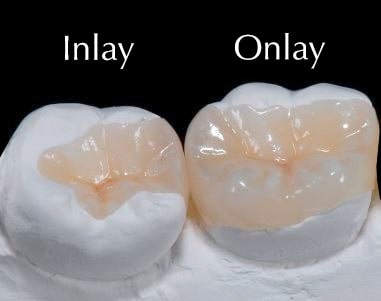
Inlays and onlays are custom-made restorations used to repair teeth with moderate damage or decay.
Unlike regular fillings, these restorations are fabricated outside the mouth and then bonded to the tooth.
With inlay onlay treatments in kumbakonam – nalamm dental cosmetiks, the goal is simple: restore strength while preserving as much natural tooth as possible.
Let’s break it down logically.
If your tooth is too damaged for a filling but doesn’t need a full crown, inlay onlay treatments in kumbakonam – nalamm dental cosmetiks are often the smartest choice.
You may need this treatment if you have:
Delaying treatment at this stage often leads to root canal or extraction.
Act early, and you keep your natural tooth intact.
The process is precise and structured.
The dentist removes the decayed or damaged portion of the tooth.
A scan is taken to design a custom inlay or onlay.
The restoration is created in a dental lab using materials like ceramic or composite.
The inlay or onlay is bonded to the tooth with strong adhesive.
The dentist checks bite alignment and comfort.
With inlay onlay treatments in kumbakonam – nalamm dental cosmetiks, precision is key. Poor fitting leads to failure—good fitting lasts years.
The material you choose affects durability and appearance.
Most patients prefer ceramic for both strength and appearance.
Less removal compared to crowns.
Handles chewing pressure better.
Custom-made for accuracy.
Can last 10–15 years with proper care.
Blends naturally with your teeth.
Choosing inlay onlay treatments in kumbakonam – nalamm dental cosmetiks is about balancing strength, appearance, and preservation.
With proper care:
Longevity depends on:
Bad habits like chewing ice or hard objects can shorten lifespan.
Here’s where people make mistakes.
They choose fillings because they’re cheaper.
But:
Inlays/onlays cost more initially but last longer and protect the tooth better.
So the real question isn’t price—it’s durability.
No.
If pain continues, it usually means bite adjustment is needed—not treatment failure.
Let’s be blunt:
Most major dental problems start as small ones that were ignored.
This is critical.
If you delay treatment, you move from a simple restoration to a complex procedure.
That’s a cost you don’t need.
You’re a good candidate if:
If you’re unsure, get evaluated early.
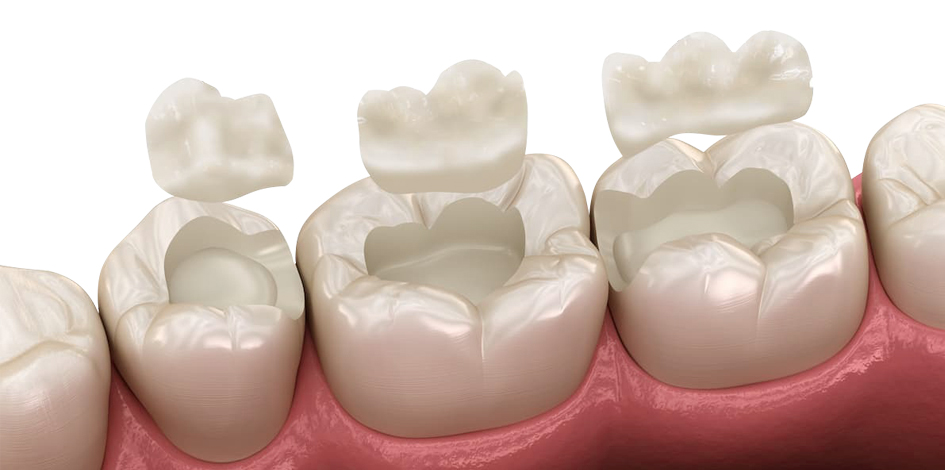
Most people only think about dental treatment when pain starts. That’s already late.
Inlay onlay treatments in kumbakonam – nalamm dental cosmetiks are designed for the stage where the tooth can still be saved without aggressive procedures.
The decision is simple:
If you’ve been told you need a filling or crown and you’re unsure, ask about inlays/onlays.
Because the best dental treatment is always the one that preserves your natural tooth the longest.

Yes, they are stronger, more durable, and provide a better fit compared to regular fillings for larger cavities.
With proper care, inlays and onlays can last 10–15 years or more.
Patients with moderate tooth decay or damage who want a durable and conservative restoration option are ideal candidates.