Author name: Aravind Chakaravarthy

Orthodontics Near me
Dental blog

Orthodontics Near me

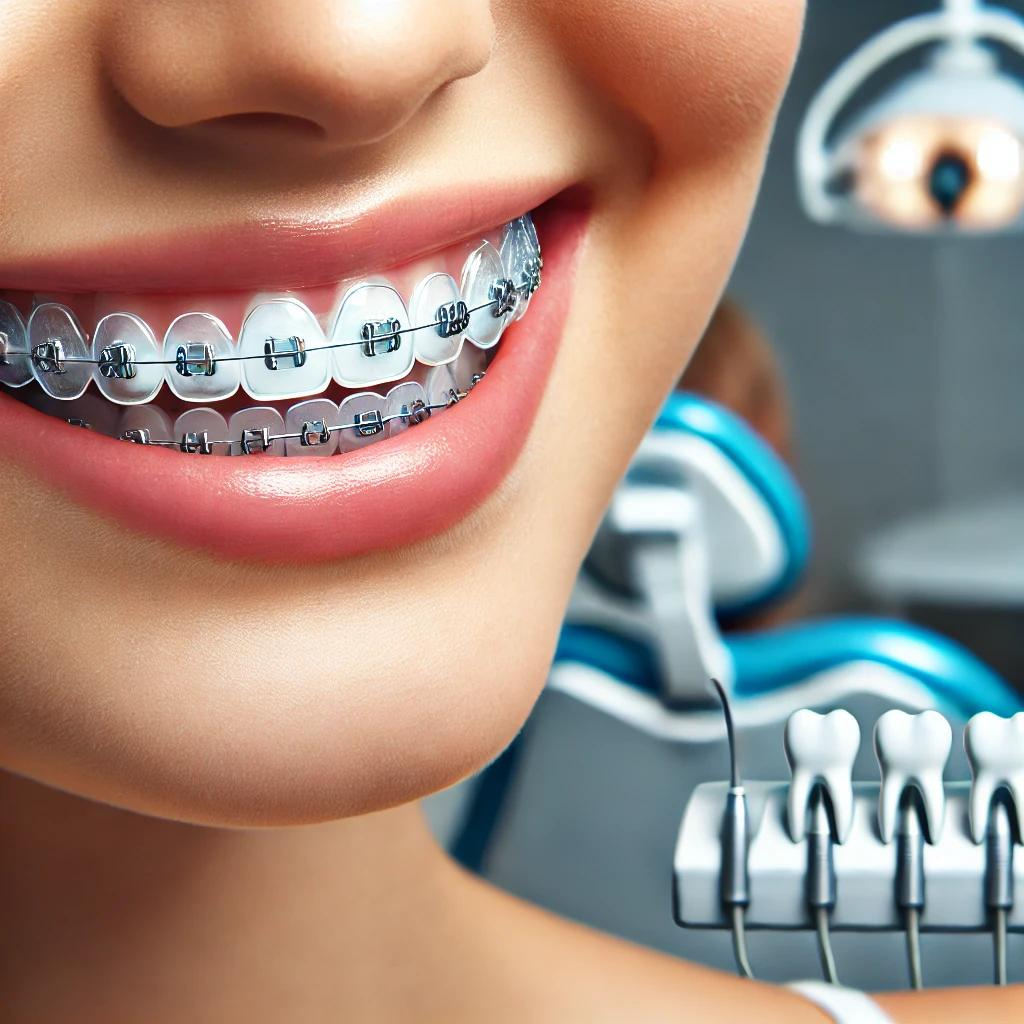
Orthodontics Near me Achieve Your Perfect Smile with Orthodontics Near You Introduction Orthodontics isn’t just about straightening teeth; it’s about enhancing your overall oral health and boosting your confidence with a perfect smile. If you’re looking for orthodontic treatment near you, understanding its benefits and processes can help you make an informed decision.   What is Orthodontics? Orthodontics is a specialized branch of dentistry focused on diagnosing, preventing, and correcting misaligned teeth and jaws. This treatment involves the use of braces, aligners, and other dental appliances to gradually move teeth into the desired position. How Does Orthodontic Treatment Work? Initial Consultation: A thorough examination, including X-rays, photos, and impressions of your teeth, to create a personalized treatment plan. Treatment Plan: Based on the examination, an orthodontist will recommend the best treatment options, such as traditional braces, clear aligners, or other appliances. Regular Adjustments: Periodic visits to the clinic for adjustments to ensure the teeth are moving as planned. Retention Phase: After achieving the desired alignment, retainers are used to maintain the new position of the teeth. Why Orthodontic Treatment is Important Orthodontic treatment is crucial not only for aesthetic reasons but also for improving oral health. Properly aligned teeth are easier to clean, reducing the risk of tooth decay and gum disease. Additionally, it can alleviate issues like jaw pain, speech difficulties, and excessive wear on the teeth. Why Choose Nalamm Dental Clinic for Orthodontic Treatment? At Nalamm Dental Clinic, we provide top-quality orthodontic care tailored to your individual needs. Our experienced team, led by Dr. Aravind Chakravarthy, uses the latest technology to ensure efficient and effective treatment, making your journey to a perfect smile smooth and comfortable.   Book Your Appointment Ready to transform your smile? Schedule an appointment with Nalamm Dental Clinic today and take the first step towards achieving a healthier, more confident you. Frequently Asked Questions How long does orthodontic treatment take? Treatment duration varies, but most patients wear braces or aligners for 1-3 years.   Are there age limits for orthodontic treatment? Orthodontics can benefit patients of all ages, from children to adults.   Do braces hurt? Some discomfort is common, especially after adjustments, but it typically subsides within a few days.   What types of braces are available? Options include traditional metal braces, ceramic braces, and clear aligners like Invisalign.   How often do I need to visit the orthodontist during treatment? Typically, every 4-6 weeks for adjustments and progress checks.  

Emergency Dental Care Near Me
Dental blog

Emergency Dental Care Near Me

Emergency Dental Care Near Me Understanding Emergency Dental Care Near Me Introduction Dental emergencies can happen unexpectedly, causing significant discomfort and anxiety. Knowing where to find reliable emergency dental care near you can make all the difference. At Nalamm Dental Clinic, we are dedicated to providing swift and effective emergency dental care to alleviate pain and address urgent dental issues.   Identifying a Dental Emergency Dental emergencies can vary in severity and type. Here are some common dental emergencies that require immediate attention: Severe Toothache: Persistent and intense tooth pain that disrupts daily activities. Broken or Chipped Teeth: Damage to teeth from accidents or injuries. Knocked-Out Tooth: A tooth that has been completely dislodged from its socket. Lost Filling or Crown: When a filling or crown falls out, exposing the sensitive part of the tooth. Abscess: A painful, swollen area around the tooth or gum indicating infection. Immediate Steps to Take If you experience a dental emergency, here are some steps to follow: Stay Calm: Keeping calm will help you think clearly and act quickly. Rinse Your Mouth: Use warm water to rinse your mouth gently. Control Bleeding: Apply gentle pressure with a clean cloth or gauze to control bleeding. Save Any Pieces: If a tooth has been broken or knocked out, save any pieces and keep them moist. Seek Immediate Care: Visit Nalamm Dental Clinic for prompt and professional emergency dental care. Why Prompt Emergency Dental Care is Essential Timely intervention in dental emergencies is crucial for several reasons: Pain Relief: Immediate care helps alleviate severe pain and discomfort. Preventing Further Damage: Quick treatment can prevent complications and further damage to teeth and gums. Infection Control: Early treatment can help control and eliminate infections, preventing them from spreading. How Nalamm Dental Clinic Can Help At Nalamm Dental Clinic, we understand the urgency of dental emergencies and are equipped to handle a wide range of urgent dental issues. Our approach includes: Experienced Team: Our skilled dental professionals are experienced in providing efficient and effective emergency care. State-of-the-Art Technology: We use advanced technology and equipment to diagnose and treat dental emergencies promptly. Patient-Centered Care: We prioritize your comfort and well-being, ensuring a compassionate and supportive environment during your visit.   Book Your Appointment When a dental emergency strikes, you need reliable and immediate care. At Nalamm Dental Clinic, we are here to provide the urgent dental care you need. Schedule your appointment today to experience our expert care and restore your oral health.   Frequently Asked Questions Q1: What should I do if I have a severe toothache? A: Rinse your mouth with warm water and use dental floss to remove any trapped food. If the pain persists, seek immediate dental care.   Q2: Can a knocked-out tooth be saved? A: If a tooth is knocked out, keep it moist and visit our clinic as soon as possible. There is a chance the tooth can be re-implanted if treated quickly.   Q3: How can I prevent dental emergencies? A: Regular dental check-ups, maintaining good oral hygiene, and wearing mouthguards during sports can help prevent dental emergencies.   Q4: What should I do if my tooth is knocked out? A: Keep the tooth moist by placing it in milk or holding it in your mouth next to your cheek. Visit our clinic immediately for the best chance of saving the tooth.   Q5: How can I manage pain from a dental abscess? A: Rinse your mouth with warm salt water and use over-the-counter pain relievers. Seek professional dental care as soon as possible.  

Foods to Avoid With Type 2 Diabetes
Apollo

Foods to Avoid With Type 2 Diabetes

Foods to Avoid With Type 2 Diabetes Foods to Avoid with Type 2 Diabetes: A Detailed Guide Introduction Managing Type 2 diabetes involves making mindful dietary choices. Certain foods can cause spikes in blood sugar levels and should be avoided or limited. At Apollo Sugar Clinics, we emphasize the importance of understanding which foods to steer clear of to maintain optimal health. Here’s a guide to help you navigate your dietary choices effectively.   Understanding the Impact of Food on Blood Sugar Foods high in carbohydrates and sugars can lead to rapid increases in blood sugar levels. Consistently high blood sugar can result in long-term complications, including heart disease, nerve damage, and kidney issues. Therefore, it is crucial to know which foods to avoid to maintain stable blood sugar levels. Foods to Avoid Sugary Foods and Beverages Sugary Drinks: Sodas, fruit juices, and sweetened teas are high in sugar and can cause immediate spikes in blood glucose levels. Candies and Sweets: Avoid candies, cookies, cakes, and pastries as they are high in refined sugars and offer little nutritional value. Refined Carbohydrates White Bread and Pasta: Made from refined flour, these can rapidly increase blood sugar levels. White Rice: Similar to white bread, white rice is stripped of its nutrients and can cause quick blood sugar spikes. High-Fat Foods Fried Foods: French fries, fried chicken, and other deep-fried items are high in unhealthy fats and calories. Trans Fats: Found in margarine, packaged baked goods, and many processed foods, trans fats can increase insulin resistance. Processed Foods Processed Meats: Sausages, hot dogs, and deli meats often contain unhealthy fats and preservatives. Packaged Snacks: Chips, crackers, and other snack foods are usually high in salt, sugar, and unhealthy fats. High-Sodium Foods Canned Soups and Vegetables: These often contain high levels of sodium, which can affect blood pressure and overall heart health. Fast Food: Many fast food items are high in sodium, fats, and sugars, making them unsuitable for a diabetes-friendly diet. Making Healthier Choices Natural Sweeteners Fruits: Opt for whole fruits instead of fruit juices to get the benefits of fiber. Stevia and Monk Fruit: These natural sweeteners can be used in moderation as alternatives to sugar. Whole Grains Brown Rice and Quinoa: These whole grains have a lower glycemic index and provide more nutrients than their refined counterparts. Whole Grain Bread and Pasta: Choose products labeled 100% whole grain or whole wheat. Healthy Fats Avocados and Nuts: These provide healthy fats that can help manage blood sugar levels. Olive Oil: Use olive oil for cooking instead of butter or margarine. Fresh and Natural Foods Fresh Vegetables: Incorporate a variety of non-starchy vegetables into your meals. Lean Proteins: Choose lean protein sources like chicken, fish, and tofu.   Conclusion Being mindful of your food choices is essential for managing Type 2 diabetes. By avoiding sugary, processed, and high-fat foods, you can maintain stable blood sugar levels and improve your overall health. At Apollo Sugar Clinics, we are dedicated to supporting you in making informed dietary choices and managing your diabetes effectively.   F.A.Q 1. Why is it important to avoid certain foods with Type 2 diabetes? Avoiding certain foods helps maintain stable blood sugar levels and reduces the risk of complications such as heart disease, nerve damage, and kidney issues.   2. What types of sugary foods and beverages should I avoid? Avoid sodas, fruit juices, sweetened teas, candies, cakes, cookies, and pastries as they can cause rapid spikes in blood glucose levels.   3. Why should I avoid refined carbohydrates? Refined carbohydrates like white bread, white rice, and pasta are quickly digested, leading to rapid increases in blood sugar levels.   4. What are some healthier carbohydrate alternatives? Opt for complex carbohydrates such as whole grains (brown rice, quinoa), and whole grain bread and pasta.   5. What types of fats should I avoid? Avoid unhealthy fats found in fried foods and trans fats in processed snacks and margarine. Limit saturated fats from items like butter and fatty meats.   6. What are some healthy fat options? Incorporate healthy fats from sources like avocados, nuts, seeds, and olive oil into your diet.  

Emergency Dental Extraction Near Me
Dental blog

Emergency Dental Extraction Near Me

Emergency Dental Extraction Near Me Quick and Efficient Emergency Dental Extraction Near Me Introduction Dental emergencies can strike at any time, causing discomfort and stress. One of the most urgent dental situations is the need for an emergency tooth extraction. Understanding when and why a tooth needs to be extracted can help you make informed decisions about your dental health.   What is Emergency Dental Extraction? Emergency dental extraction is the removal of a tooth that is causing severe pain, infection, or other immediate issues. This procedure is typically necessary when the tooth cannot be saved through other treatments, such as fillings or root canals. When is Emergency Dental Extraction Necessary? Emergency dental extraction is usually needed in the following scenarios: Severe Tooth Decay: When decay has reached the tooth’s pulp and caused an infection. Tooth Trauma: Cracks or fractures from accidents that make the tooth irreparable. Advanced Gum Disease: When periodontal disease has damaged the supporting tissues and bone around the tooth. Impacted Wisdom Teeth: When wisdom teeth are causing pain, swelling, or infection. How to Handle a Dental Emergency Stay Calm: Panic can worsen the situation. Take deep breaths and assess the damage. Control Bleeding: If there is bleeding, use a clean cloth or gauze to apply gentle pressure. Reduce Swelling: Apply a cold compress to the outside of your mouth or cheek. Contact Nalamm Dental Clinic: Seek professional help immediately. Our clinic is equipped to handle dental emergencies swiftly and efficiently. Why Timely Emergency Extractions Are Crucial Prompt extraction can prevent further complications, such as: Infection Spread: Delaying extraction can cause infections to spread to other parts of the body. Increased Pain: Waiting too long can lead to more intense pain and discomfort. Damage to Surrounding Teeth: An affected tooth can harm neighboring teeth and gums. Why Choose Nalamm Dental Clinic for Emergency Dental Extraction? At Nalamm Dental Clinic, we prioritize patient comfort and care. Our experienced dental professionals are trained to handle emergencies with precision and speed. Here’s why you should choose us: Expertise: Our team has extensive experience in performing emergency dental extractions. State-of-the-Art Facilities: We use the latest technology to ensure safe and effective procedures. Patient-Centered Care: Your comfort and well-being are our top priorities.   Book Your Appointment If you’re experiencing a dental emergency, don’t wait. Schedule your appointment with Nalamm Dental Clinic today for quick and efficient care. We are here to help you regain your oral health and peace of mind.   Frequently Asked Questions Q1: What should I do if my tooth is knocked out? A: Keep the tooth moist at all times. If possible, try to place the tooth back in the socket without touching the root. If this isn’t possible, place it in a glass of milk and see your dentist immediately.   Q2: How long does the recovery take after an emergency extraction? A: Recovery time varies, but most patients can expect to fully heal within one to two weeks. Following your dentist’s aftercare instructions will help ensure a smooth recovery.   Q3: Will an emergency extraction be painful? A: Our clinic uses modern anesthesia techniques to minimize pain during the procedure. Post-extraction discomfort can be managed with prescribed pain relievers.   Q4: What should I do if I experience a dental emergency outside of clinic hours? A: If you have a dental emergency outside of clinic hours, visit the nearest emergency room. You can contact our clinic during business hours for follow-up care.   Q5: How do I know if I need an emergency extraction? A: Severe pain, swelling, and signs of infection are indicators that you may need an emergency extraction. Contact our clinic for an evaluation.  

Type 2 Diabetes Diet Sheet
Apollo

Type 2 Diabetes Diet Sheet

Type 2 Diabetes Diet Sheet A Comprehensive Diet Sheet for Managing Type 2 Diabetes Introduction Type 2 diabetes is a chronic condition that affects how your body metabolizes glucose, leading to elevated blood sugar levels. At Apollo Sugar Clinics, we understand the importance of a balanced diet in managing Type 2 diabetes effectively. Here’s a comprehensive diet sheet to help you maintain stable blood sugar levels and improve your overall heal Understanding Type 2 Diabetes and Diet A balanced diet plays a crucial role in managing Type 2 diabetes. It helps control blood sugar levels, maintain a healthy weight, and reduce the risk of diabetes-related complications. Key Dietary Guidelines Carbohydrate Management: Choose complex carbohydrates like whole grains, legumes, and vegetables. Avoid simple sugars and refined carbs like white bread, pastries, and sugary drinks. Protein Intake: Incorporate lean proteins such as chicken, fish, tofu, and legumes. Limit red meat and processed meats to reduce the risk of heart disease. Healthy Fats: Use healthy fats like olive oil, avocado, nuts, and seeds. Avoid trans fats and limit saturated fats found in fried foods and processed snacks. Fiber-Rich Foods: Include plenty of fiber-rich foods such as fruits, vegetables, whole grains, and legumes. Fiber helps regulate blood sugar levels and supports digestive health. Portion Control: Practice portion control to avoid overeating and maintain a healthy weight. Use smaller plates and measure portions to ensure balanced meals. Regular Meals and Snacks: Eat regular meals and include healthy snacks to prevent blood sugar spikes. Avoid skipping meals, as it can lead to overeating and blood sugar fluctuations. Sample Diet Plan Breakfast Oatmeal with Berries: A bowl of oatmeal topped with fresh berries and a sprinkle of chia seeds. Greek Yogurt with Nuts: Greek yogurt with a handful of nuts and a drizzle of honey. Mid-Morning Snack Apple Slices with Peanut Butter: Apple slices dipped in natural peanut butter. Carrot and Celery Sticks: Fresh carrot and celery sticks with hummus. Lunch Grilled Chicken Salad: Mixed greens with grilled chicken, cherry tomatoes, cucumber, and a vinaigrette dressing. Lentil Soup: A hearty bowl of lentil soup with a side of whole-grain bread. Afternoon Snack Almonds and Walnuts: A small handful of almonds and walnuts. Greek Yogurt: A serving of plain Greek yogurt with a sprinkle of flaxseeds. Dinner Baked Salmon: Baked salmon fillet with a side of quinoa and steamed vegetables. Stir-Fried Tofu and Vegetables: Tofu stir-fried with a variety of colorful vegetables and served with brown rice. Evening Snack Berry Smoothie: A smoothie made with fresh berries, spinach, and almond milk. Cucumber Slices: Fresh cucumber slices with a light dip. Lifestyle Tips for Managing Type 2 Diabetes Stay Hydrated: Drink plenty of water throughout the day to stay hydrated and support overall health. Regular Exercise: Engage in regular physical activity such as walking, swimming, or yoga to help regulate blood sugar levels. Monitor Blood Sugar Levels: Regularly check your blood sugar levels to ensure they are within the target range. Consult a Dietitian: Seek guidance from a registered dietitian at Apollo Sugar Clinics to create a personalized meal plan. Our Commitment at Apollo Sugar Clinics At Apollo Sugar Clinics, we are dedicated to providing comprehensive care and support for individuals managing Type 2 diabetes. Our team of experts works closely with you to develop personalized treatment plans, including dietary guidance, to help you lead a healthy, balanced life.   Conclusion Managing Type 2 diabetes requires a holistic approach, with diet playing a central role. By following this comprehensive diet sheet and incorporating healthy lifestyle habits, you can effectively manage your condition and improve your quality of life. For personalized support and expert care, trust Apollo Sugar Clinics to be your partner in diabetes management. F.A.Q 1. What is Type 2 Diabetes? Type 2 diabetes is a chronic condition where the body becomes resistant to insulin or doesn’t produce enough insulin, leading to high blood sugar levels.   2. Why is diet important for managing Type 2 diabetes? A balanced diet helps control blood sugar levels, maintain a healthy weight, and reduce the risk of complications associated with Type 2 diabetes.   3. What types of carbohydrates should I eat? Choose complex carbohydrates such as whole grains, beans, and starchy vegetables. Avoid simple sugars and refined carbs like candy, soda, and white bread.   4. What are good sources of protein for a diabetes-friendly diet? Opt for lean proteins like chicken, fish, tofu, and legumes. Limit red and processed meats to support heart health. 5. What types of fats are recommended? Incorporate healthy fats from sources like avocados, nuts, seeds, and olive oil. Avoid trans fats and limit saturated fats from fried foods and baked goods.   6. How can fiber help manage diabetes? Fiber helps regulate blood sugar levels, supports digestion, and contributes to a feeling of fullness, which can aid in weight management. Include plenty of fruits, vegetables, whole grains, and legumes in your diet.  

Signs and Symptoms of Diabetes
Apollo

Signs and Symptoms of Diabetes

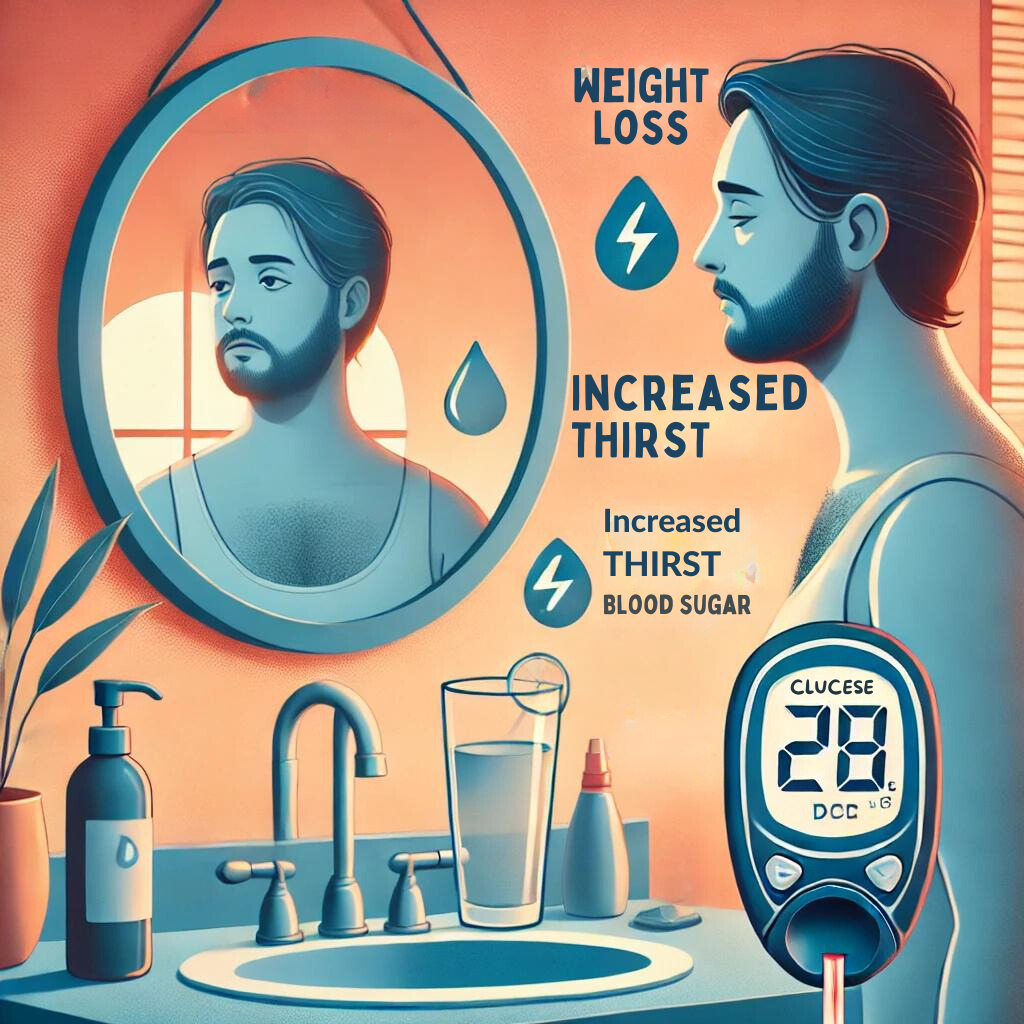
Signs and Symptoms of Diabetes Recognizing the Signs and Symptoms of Diabetes: Early Detection and Effective Management Introduction Recognizing the signs and symptoms of diabetes is essential for early detection and management. Understanding these indicators can help you seek timely medical advice and make necessary lifestyle changes to maintain your health and well-being.   What Is Diabetes? Diabetes is a chronic condition that affects how your body processes blood sugar (glucose). It occurs when the body either doesn’t produce enough insulin or cannot effectively use the insulin it produces. Insulin is a hormone that helps glucose enter cells to be used for energy. Without proper insulin function, glucose levels in the blood can become too high, leading to various health complications. Common Symptoms of Diabetes Frequent Urination One of the early signs of diabetes is frequent urination. This occurs because excess glucose in the blood forces the kidneys to work harder to filter and absorb it. When the kidneys can’t keep up, the excess glucose is excreted in the urine, leading to more frequent urination. Increased Thirst As a result of frequent urination, your body loses more water, leading to dehydration. This triggers excessive thirst, a common symptom of diabetes. If you find yourself drinking more fluids than usual and still feeling thirsty, it could be a sign of high blood sugar levels. Extreme Hunger Despite eating regular meals, people with diabetes often experience intense hunger. This happens because the body’s cells are not getting enough glucose for energy, leading to increased hunger signals sent to the brain. Unexplained Weight Loss Sudden and unexplained weight loss can be a warning sign of diabetes, especially in type 1 diabetes. When the body can’t use glucose for energy, it starts breaking down fat and muscle for fuel, leading to significant weight loss. Fatigue Feeling unusually tired or fatigued is another common symptom of diabetes. High blood sugar levels can affect your body’s ability to utilize glucose for energy, leaving you feeling exhausted. Blurred Vision Elevated blood sugar levels can cause the lens of the eye to swell, leading to blurred vision. If you notice sudden changes in your vision, it’s important to get your blood sugar levels checked. Slow-Healing Sores or Frequent Infections Diabetes can impair the body’s ability to heal wounds and fight infections. If you have cuts or sores that take a long time to heal or experience frequent infections, it could be a sign of diabetes. When to Seek Medical Advice If you experience any of the above symptoms, it’s crucial to seek medical advice promptly. Early detection and management of diabetes can prevent complications and improve your quality of life. Managing Diabetes at Apollo Sugar Clinics At Apollo Sugar Clinics, we offer comprehensive diabetes care to help you manage your condition effectively. Our experienced healthcare professionals provide personalized treatment plans and ongoing support to ensure your health and well-being. Conclusion Recognizing the signs and symptoms of diabetes is the first step towards effective management. By staying informed and seeking timely medical advice, you can take control of your health and lead a fulfilling life. If you suspect you may have diabetes, visit Apollo Sugar Clinics for expert care and guidance on managing your condition.   F.A.Q What is diabetes? Diabetes is a chronic condition where the body either doesn’t produce enough insulin or cannot effectively use the insulin it produces, leading to high blood sugar levels.   What are the common symptoms of diabetes? Frequent urination Increased thirst Extreme hunger Unexplained weight loss Fatigue Blurred vision Slow-healing sores or frequent infections   What causes diabetes? Diabetes can be caused by a combination of genetic and environmental factors, including family history, obesity, lack of physical activity, and poor diet.   What are the different types of diabetes? Type 1 Diabetes: The body does not produce insulin. It is usually diagnosed in children and young adults. Type 2 Diabetes: The body either resists the effects of insulin or does not produce enough insulin. It is more common in adults. Gestational Diabetes: Occurs during pregnancy and usually disappears after giving birth. How is diabetes diagnosed? Diabetes is diagnosed through blood tests that measure blood glucose levels, such as: Fasting Blood Sugar Test Oral Glucose Tolerance Test (OGTT) A1C Test   Can diabetes be prevented? While type 1 diabetes cannot be prevented, type 2 diabetes can often be prevented or delayed with healthy lifestyle changes, such as maintaining a healthy weight, eating a balanced diet, and exercising regularly.  

Professional Teeth Whitening Near me
Dental blog

Professional Teeth Whitening Near me

Professional Teeth Whitening Near me Get a Brighter Smile with Professional Teeth Whitening Introduction A radiant smile can make a lasting impression, boosting your confidence and enhancing your appearance. If you’re looking to achieve a brighter, whiter smile, professional teeth whitening is an excellent option. This blog will delve into the details of professional teeth whitening, its benefits, and how you can achieve the smile you’ve always wanted.   Understanding Professional Teeth Whitening Professional teeth whitening is a dental procedure designed to lighten the color of your teeth. Unlike over-the-counter whitening products, professional treatments are performed by a dentist and offer more effective and longer-lasting results. This procedure can remove stains caused by coffee, tea, tobacco, and certain foods, restoring your teeth to their natural whiteness. The Process of Professional Teeth Whitening Consultation: Your journey begins with a consultation to determine if you’re a suitable candidate for teeth whitening. The dentist will examine your teeth and discuss your goals. Preparation: Before the whitening process starts, your dentist will clean your teeth to remove any plaque and tartar. Whitening Procedure: A protective barrier is applied to your gums to protect them from the whitening agent. The whitening gel, typically containing hydrogen peroxide or carbamide peroxide, is then applied to your teeth. A special light or laser may be used to enhance the whitening effect. Final Touches: After the desired shade is achieved, the whitening gel is removed, and a fluoride treatment may be applied to help reduce sensitivity. Benefits of Professional Teeth Whitening Quick Results: Professional teeth whitening can significantly lighten your teeth in just one session. Customized Treatment: Your dentist can tailor the whitening process to suit your needs and ensure optimal results. Safe and Controlled: The procedure is conducted under professional supervision, reducing the risk of gum irritation and tooth sensitivity. Long-Lasting: With proper care, the results of professional teeth whitening can last for a considerable time. Tips for Maintaining Your Whiter Smile Avoid Stain-Causing Foods and Drinks: Limit your intake of coffee, tea, red wine, and other staining substances. Maintain Good Oral Hygiene: Brush and floss regularly to keep your teeth clean and free of plaque. Use Whitening Toothpaste: Incorporate a whitening toothpaste into your oral care routine to help maintain your results. Regular Dental Check-Ups: Schedule regular visits to Nalamm Dental Clinic for cleanings and touch-ups to keep your smile bright. Why Choose Our Clinic for Professional Teeth Whitening? At Nalamm Dental Clinic, we offer state-of-the-art professional teeth whitening services that deliver outstanding results. Our experienced team, led by Dr. Aravind Chakravarthy, uses the latest techniques and equipment to ensure your comfort and satisfaction. Trust us to help you achieve a dazzling smile that you’ll be proud to show off. Book Your Appointment Today! Ready to transform your smile? Schedule an appointment with us and experience the benefits of professional teeth whitening. Our friendly staff is here to answer any questions and guide you through the process.   Frequently Asked Questions Q: Is professional teeth whitening safe? A: Yes, professional teeth whitening is safe when performed by a qualified dentist. Our clinic ensures the highest standards of care and safety.   Q: How long do the results last? A: With proper care, the results of professional teeth whitening can last up to a year or more. Avoiding staining foods and maintaining good oral hygiene will help prolong the effects.   Q: Will teeth whitening cause sensitivity? A: Some patients may experience temporary sensitivity after the procedure, but it typically subsides within a few days. Our team can provide tips to manage sensitivity.   Q: Can anyone get their teeth professionally whitened? A: Most people are good candidates for teeth whitening. However, it’s important to have a consultation to determine the best treatment for your dental health.  

Diet for Diabetic Patients
Apollo

Diet for Diabetic Patients

Diet for Diabetic Patients Managing Diabetes Through Diet: A Comprehensive Guide   Introduction Diet plays a crucial role in managing diabetes, helping maintain stable blood sugar levels and overall health. Understanding the right dietary choices can make a significant difference in your diabetes management journey. In this blog, we explore essential dietary guidelines, tips, and strategies for diabetic patients.   Understanding Diabetes and Its Dietary Implications What is Diabetes? Diabetes is a chronic condition where the body either cannot produce enough insulin or cannot effectively use the insulin it produces. This leads to elevated blood sugar levels. The two main types of diabetes are Type 1 and Type 2. Proper diet management is vital for both types to control blood sugar levels and prevent complications. Key Dietary Principles for Diabetic Patients Balanced Macronutrients A balanced diet consisting of carbohydrates, proteins, and fats is essential. However, the type and quantity of each macronutrient matter significantly for diabetic patients. Carbohydrates: Choose complex carbohydrates like whole grains, vegetables, and legumes that have a lower glycemic index. Proteins: Include lean protein sources such as fish, chicken, tofu, and legumes. Fats: Opt for healthy fats from sources like avocados, nuts, seeds, and olive oil. Portion Control Monitoring portion sizes helps in managing blood sugar levels. Eating smaller, more frequent meals can prevent spikes in blood glucose levels. Fiber-Rich Foods High-fiber foods such as vegetables, fruits, whole grains, and legumes help slow down glucose absorption, aiding in blood sugar control. Recommended Foods for Diabetic Patients Vegetables Non-starchy vegetables like leafy greens, broccoli, peppers, and cucumbers are excellent choices due to their low impact on blood sugar levels. Fruits While fruits contain natural sugars, opting for low-glycemic fruits like berries, apples, and pears in moderation is beneficial. Whole Grains Whole grains such as quinoa, brown rice, oats, and barley provide essential nutrients and have a lower glycemic index compared to refined grains. Lean Proteins Incorporate lean proteins such as chicken, turkey, fish, eggs, and plant-based proteins like tofu and beans. Healthy Fats Healthy fats from avocados, nuts, seeds, and olive oil can improve heart health and provide sustained energy. Foods to Limit or Avoid Sugary Foods and Beverages Avoid foods high in added sugars like candies, pastries, sodas, and sugary drinks. Refined Carbohydrates Limit intake of white bread, white rice, pasta, and other refined grains that can cause rapid spikes in blood sugar. Trans Fats Avoid trans fats found in many processed and fried foods as they increase the risk of heart disease. High-Sodium Foods Excessive sodium can lead to hypertension, so it’s best to limit processed and packaged foods high in sodium. Tips for Healthy Eating Habits Plan Your Meals Plan and prepare meals ahead of time to ensure balanced nutrition and prevent unhealthy snacking. Read Food Labels Understanding food labels helps in making informed choices. Look for fiber content, sugar levels, and carbohydrate counts. Stay Hydrated Drink plenty of water throughout the day. Avoid sugary drinks and opt for herbal teas or water infused with fruits for flavor.   Conclusion Managing diabetes through diet is about making informed food choices and adopting healthy eating habits. By focusing on balanced nutrition, portion control, and choosing the right foods, diabetic patients can achieve better blood sugar control and overall well-being. At our clinic, we are committed to providing comprehensive diabetes care and support to help you manage your condition effectively. We believe in empowering our patients with the knowledge and tools they need for a healthier, more balanced life. F.A.Q What foods should diabetic patients avoid? Diabetic patients should avoid foods high in added sugars, refined carbohydrates, trans fats, and high-sodium processed foods. Examples include candies, pastries, white bread, sugary drinks, and fried foods.   Are there specific fruits that diabetic patients should eat or avoid? Diabetic patients should opt for low-glycemic fruits such as berries, apples, and pears in moderation. They should avoid or limit high-glycemic fruits like watermelon, pineapple, and mangoes, as they can cause rapid spikes in blood sugar levels.   How important is portion control for managing diabetes? Portion control is very important for managing diabetes. Eating smaller, more frequent meals helps maintain stable blood sugar levels and prevents overeating, which can lead to blood sugar spikes.   Can diabetic patients eat carbohydrates? Yes, diabetic patients can eat carbohydrates, but they should choose complex carbohydrates with a low glycemic index, such as whole grains, vegetables, and legumes. These carbohydrates are absorbed more slowly, leading to a gradual rise in blood sugar levels.   What are some healthy snack options for diabetic patients? Healthy snack options for diabetic patients include: Raw vegetables with hummus A small handful of nuts Greek yogurt with berries Sliced apple with peanut butter Cottage cheese with cucumber slices   How much fiber should a diabetic patient include in their diet? Diabetic patients should aim for at least 25-30 grams of fiber per day from a variety of sources, including vegetables, fruits, whole grains, and legumes. Fiber helps slow the absorption of sugar and improve blood sugar control.  

Smile Teeth Straightening
Dental blog

Smile Teeth Straightening

Smile Teeth Straightening Discover the Benefits of Smile Teeth Straightening Introduction A beautiful, straight smile can significantly enhance your appearance and boost your confidence. Teeth straightening treatments have come a long way, offering various solutions to achieve that perfect smile. Let’s dive into the world of smile teeth straightening and explore its benefits and options.   What is Smile Teeth Straightening? Smile teeth straightening involves orthodontic treatments designed to correct misaligned teeth and jaws. This process not only improves the aesthetic appearance of your smile but also enhances oral health by making it easier to clean and maintain your teeth. How to Achieve a Straight Smile Achieving a straight smile can be accomplished through various orthodontic treatments: Traditional Braces: Metal brackets and wires that gradually move teeth into alignment. Ceramic Braces: Similar to traditional braces but made of clear or tooth-colored materials for a less noticeable appearance. Clear Aligners: Removable, clear plastic trays that are custom-made to fit your teeth and gradually shift them into place. Lingual Braces: Braces placed on the inside of the teeth, making them invisible from the outside. Why is Smile Teeth Straightening Important? Straightening your teeth offers several benefits: Improved Oral Health: Aligned teeth are easier to clean, reducing the risk of cavities and gum disease. Enhanced Appearance: A straight smile boosts your confidence and improves your overall appearance. Better Functionality: Correcting bite issues can improve chewing and speaking functions. Prevents Dental Issues: Proper alignment can prevent wear and tear on teeth and reduce the risk of jaw pain and other dental problems. Why Choose Our Clinic for Smile Teeth Straightening? At our clinic, we are dedicated to providing personalized orthodontic care tailored to your needs. Our experienced team uses the latest technology and techniques to ensure the best results for your smile.   Book Your Appointment Ready to achieve a beautiful, straight smile? Schedule a consultation with our expert team today and take the first step towards a healthier, more confident you.   Frequently Asked Questions Q: How long does teeth straightening take? A: The duration of treatment varies depending on the severity of misalignment and the type of treatment chosen. On average, it can take anywhere from 6 months to 2 years.   Q: Are clear aligners as effective as braces? A: Clear aligners are effective for mild to moderate alignment issues. For severe cases, traditional braces might be more suitable.   Q: Is teeth straightening painful? A: Some discomfort is normal as your teeth move into their new positions, but it is usually manageable with over-the-counter pain relief.   Q: How often do I need to visit the dentist during treatment? A: Regular check-ups every 4-6 weeks are typically required to monitor progress and make any necessary adjustments.  

Best Food for Diabetes Control
Apollo

Best Food for Diabetes Control

Best Food for Diabetes Control Top Foods to Manage and Control Diabetes Effectively Introduction Managing diabetes effectively involves more than just medication and regular check-ups; it’s also about making smart dietary choices. Consuming the right foods can help control blood sugar levels, maintain a healthy weight, and prevent complications. Here, we’ll explore some of the best foods for diabetes control that you can incorporate into your daily diet.   Non-Starchy Vegetables Non-starchy vegetables are low in calories and carbohydrates, making them an excellent choice for diabetes management. They are rich in vitamins, minerals, and fiber, which help in maintaining blood sugar levels. Leafy Greens: Spinach, kale, and Swiss chard are nutrient-dense and have minimal impact on blood sugar. Cruciferous Vegetables: Broccoli, cauliflower, and Brussels sprouts are high in fiber and antioxidants. Bell Peppers: These are low in carbs and high in vitamins A and C. Whole Grains Unlike refined grains, whole grains contain the entire grain kernel, providing more fiber, vitamins, and minerals. They have a lower glycemic index, meaning they cause a slower rise in blood sugar levels. Oats: A good source of soluble fiber that can help control blood sugar. Quinoa: Rich in protein and fiber, making it a great substitute for refined grains. Brown Rice: Contains more fiber and nutrients compared to white rice. Lean Proteins Protein is essential for muscle repair and overall health. Choosing lean protein sources can help manage weight and blood sugar levels. Chicken and Turkey: Skinless poultry is lower in fat and calories. Fish: Fatty fish like salmon, mackerel, and sardines are high in omega-3 fatty acids, which are beneficial for heart health. Legumes: Beans, lentils, and chickpeas are high in protein and fiber, making them great meat substitutes. Healthy Fats Healthy fats can improve insulin sensitivity and provide long-lasting energy. It’s important to choose unsaturated fats over saturated and trans fats. Avocado: Packed with monounsaturated fats and fiber. Nuts and Seeds: Almonds, walnuts, chia seeds, and flaxseeds are excellent sources of healthy fats and protein. Olive Oil: A heart-healthy oil that can be used in cooking and dressings. Fruits While some fruits are high in sugar, others have a lower glycemic index and can be enjoyed in moderation. They provide essential vitamins, minerals, and fiber. Berries: Strawberries, blueberries, and raspberries are low in sugar and high in fiber. Citrus Fruits: Oranges, lemons, and grapefruits are high in vitamin C and fiber. Apples: Contain soluble fiber and can be eaten with the skin for added nutrients. Dairy Choosing low-fat or non-fat dairy products can help reduce calorie intake while providing important nutrients like calcium and vitamin D. Greek Yogurt: High in protein and probiotics, which are good for gut health. Cottage Cheese: A low-fat option that’s high in protein. Milk: Opt for low-fat or skim milk to reduce calorie and fat intake. Incorporating These Foods into Your Diet Incorporating these diabetes-friendly foods into your diet doesn’t have to be complicated. Here are some tips to help you get started: Meal Planning: Plan your meals ahead of time to ensure they include a balance of carbohydrates, proteins, and fats. Portion Control: Be mindful of portion sizes to avoid overeating. Healthy Snacks: Choose healthy snacks like nuts, seeds, and fresh vegetables to keep blood sugar levels stable between meals. Cooking Methods: Opt for grilling, baking, or steaming instead of frying to reduce unhealthy fat intake.   Conclusion Eating a balanced diet rich in non-starchy vegetables, whole grains, lean proteins, healthy fats, fruits, and low-fat dairy can help manage diabetes effectively. At Apollo Sugar Clinics, we are dedicated to providing comprehensive care and support to help you maintain a healthy lifestyle. Incorporate these foods into your daily routine to take control of your diabetes and improve your overall health. F.A.Q 1. What are the best foods to eat for managing diabetes? Foods that are low in carbohydrates and high in fiber, vitamins, and minerals are ideal for managing diabetes. Some of the best options include: Non-Starchy Vegetables: Spinach, kale, broccoli, bell peppers. Whole Grains: Quinoa, brown rice, oats. Lean Proteins: Skinless chicken, fish, legumes. Healthy Fats: Avocados, nuts, seeds, olive oil. Low-Glycemic Fruits: Berries, citrus fruits, apples. Low-Fat Dairy: Greek yogurt, cottage cheese, low-fat milk.   2. How do whole grains help in managing diabetes? Whole grains have a lower glycemic index compared to refined grains, which means they cause a slower rise in blood sugar levels. They are also rich in fiber, which helps improve digestion and keeps you feeling full longer, aiding in weight management.   3. Can I eat fruits if I have diabetes? Yes, you can eat fruits, but it’s important to choose low-glycemic options that won’t spike your blood sugar levels. Berries, citrus fruits, and apples are good choices. Always consume fruits in moderation and monitor your blood sugar levels to see how they affect you.   4. Why are lean proteins recommended for diabetes management? Lean proteins are low in unhealthy fats and help in building and repairing tissues without causing significant blood sugar spikes. They also help keep you full longer, which can prevent overeating and help maintain a healthy weight.   5. What are healthy fats, and why are they important for diabetes management? Healthy fats, such as those found in avocados, nuts, seeds, and olive oil, can improve insulin sensitivity and provide long-lasting energy. They help reduce inflammation and lower the risk of heart disease, which is important for people with diabetes.   6. How can I incorporate these diabetes-friendly foods into my diet? Meal Planning: Prepare meals ahead of time to ensure a balanced intake of nutrients. Portion Control: Be mindful of portion sizes to avoid overeating. Healthy Snacks: Choose snacks like nuts, seeds, and fresh vegetables. Cooking Methods: Use healthier cooking methods like grilling, baking, or steaming instead of frying.

Scroll to Top