Advanced Internal Bleaching Tooth Treatments in Kumbakonam – Nalamm Dental Cosmetiks
Restore your smile with advanced dental whitening.

Restore your smile with advanced dental whitening.
A bright and natural smile plays a major role in how we present ourselves. However, sometimes a tooth may become dark or discolored from the inside due to trauma, root canal treatment, or internal staining. Unlike surface stains caused by food or drinks, these stains cannot be removed with regular whitening methods.
In such cases, dentists recommend internal bleaching tooth treatments in kumbakonam – nalamm dental cosmetiks. Internal bleaching is a specialized cosmetic dental procedure designed to whiten teeth that have darkened from within. It is a safe and effective method to restore the natural appearance of a discolored tooth without replacing it.
Understanding how internal bleaching works and when it is recommended can help patients choose the best treatment option for restoring their smile.
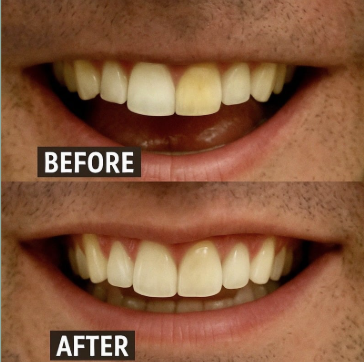
Internal bleaching is a cosmetic dental procedure used to whiten a tooth that has undergone root canal treatment and later becomes dark or discolored.
Unlike external whitening, which is applied to the outer surface of teeth, internal bleaching works by placing a bleaching agent inside the tooth to lighten discoloration from within.
Dentists performing internal bleaching tooth treatments in kumbakonam – nalamm dental cosmetiks carefully place a whitening material inside the treated tooth, allowing the bleaching agent to break down stain molecules and gradually restore the tooth’s natural shade.
This procedure is particularly useful when a single tooth appears darker than the surrounding teeth.
Many patients notice that a tooth may darken after root canal therapy. This discoloration occurs due to several reasons.
When a tooth undergoes root canal treatment, the inner pulp tissue is removed. Over time, remaining organic materials can cause internal staining.
A tooth that experiences trauma may develop internal bleeding, which can lead to discoloration.
Some older dental materials used during root canal procedures may cause gradual staining.
If blood enters the inner chamber of the tooth during injury or treatment, pigments can become trapped within the tooth structure.
For such cases, internal bleaching tooth treatments in kumbakonam – nalamm dental cosmetiks offer an effective cosmetic solution.
Internal bleaching is a carefully controlled dental procedure performed by experienced dentists. The treatment involves several steps to ensure both safety and effectiveness.
The dentist first evaluates the discolored tooth to confirm that root canal treatment has been successfully completed and that the tooth is healthy.
A small opening is made in the back of the tooth to access the internal chamber.
A professional whitening agent is placed inside the tooth. This bleaching material works to break down internal stains.
The tooth is temporarily sealed to allow the bleaching agent to work over several days.
Once the desired shade is achieved, the bleaching agent is removed and the tooth is permanently sealed.
Patients receiving internal bleaching tooth treatments in kumbakonam – nalamm dental cosmetiks typically see gradual improvement in tooth color during the treatment period.
Internal bleaching is recommended for patients who have:
A tooth that has darkened after root canal treatment
Discoloration caused by dental trauma
A single tooth darker than surrounding teeth
Internal staining that cannot be corrected with surface whitening
However, this treatment is only suitable if the tooth structure is healthy and the root canal treatment has been completed successfully.
A dental consultation is necessary before beginning internal bleaching tooth treatments in kumbakonam – nalamm dental cosmetiks.
Internal bleaching offers several advantages for patients who want to restore the natural appearance of a discolored tooth.
Unlike veneers or crowns, internal bleaching does not require significant alteration of the natural tooth.
It is often more affordable than replacing the tooth with cosmetic restorations.
Internal bleaching restores the tooth’s color to match surrounding teeth.
The treatment requires only a small access opening in the tooth.
These advantages make internal bleaching tooth treatments in kumbakonam – nalamm dental cosmetiks a preferred cosmetic treatment for root canal-related discoloration.
The results of internal bleaching can last several years. However, the longevity depends on factors such as:
Oral hygiene habits
Lifestyle factors such as smoking
Diet and consumption of staining foods
Regular dental check-ups
With proper dental care, many patients maintain the results of internal bleaching tooth treatments in kumbakonam – nalamm dental cosmetiks for a long time.
Internal bleaching is generally safe when performed by qualified dental professionals. However, as with any dental procedure, there may be minor temporary effects.
Possible side effects include:
Mild tooth sensitivity
Temporary gum irritation
Slight discomfort after treatment
These effects are usually short-lived and resolve quickly.
Dentists performing internal bleaching tooth treatments in kumbakonam – nalamm dental cosmetiks take precautions to minimize any discomfort.
To maintain the whitening results after internal bleaching, patients should follow good oral care habits.
Helpful tips include:
Brush teeth twice daily
Floss regularly
Avoid excessive consumption of staining foods and drinks
Visit the dentist regularly for check-ups
Follow the dentist’s oral hygiene recommendations
These practices help maintain the cosmetic results achieved through internal bleaching.
In some cases, internal bleaching may not fully correct severe discoloration. Dentists may recommend alternative cosmetic procedures such as:
Dental veneers
Composite bonding
Dental crowns
These treatments can cover discoloration and restore the appearance of the tooth.
A dental professional can determine the most suitable option after evaluating the tooth condition.
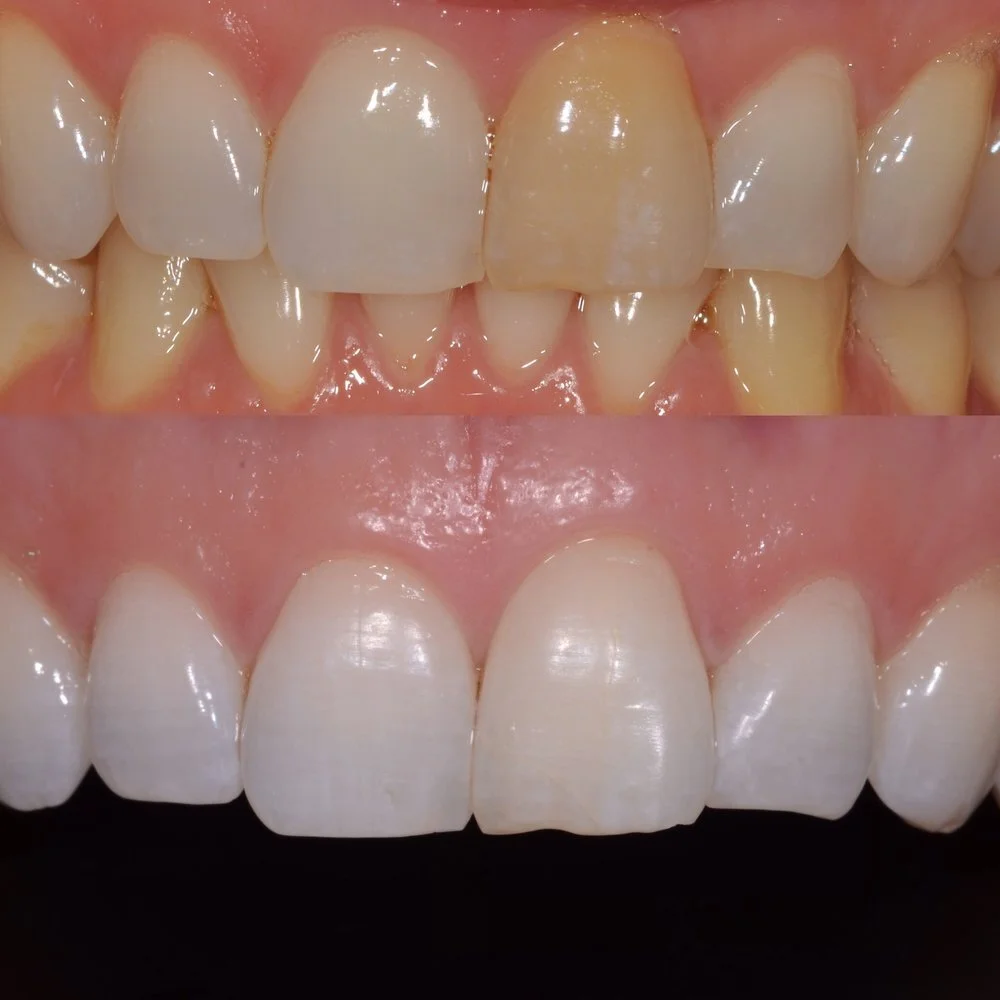
Tooth discoloration after root canal treatment can affect the appearance of your smile, but modern cosmetic dentistry offers effective solutions. Internal bleaching is a minimally invasive and reliable procedure that restores the natural brightness of a discolored tooth.
If you are considering internal bleaching tooth treatments in kumbakonam – nalamm dental cosmetiks, consulting a dental professional can help determine whether this treatment is right for you.
With proper dental care and professional treatment, it is possible to regain a bright, natural-looking smile without replacing the affected tooth.

Internal bleaching is a dental whitening procedure used to lighten teeth that have darkened after root canal treatment.
Yes. When performed by a qualified dentist, internal bleaching is a safe and effective treatment for discolored teeth.
The procedure may require a few visits depending on the level of discoloration and whitening progress.
Patients with root canal treated teeth that have turned dark or discolored are ideal candidates for internal bleaching.
Results can last several years with proper oral hygiene and regular dental check-ups.